Lowering LDL cholesterol naturally involves consistent dietary changes, physical activity, and improved sleep habits. These approaches reduce low-density lipoprotein (LDL) levels-often called "bad" cholesterol-without prescription medications.
LDL cholesterol contributes to plaque buildup in arteries, increasing the risk of heart attack and stroke. The American Heart Association recommends keeping LDL below 100 mg/dL for most adults, and below 70 mg/dL for those with existing cardiovascular disease. Natural methods can bring levels into this range for many people.
LDL particles transport cholesterol from the liver to tissues. When excess LDL circulates, it can oxidize and embed in arterial walls. Over time, this leads to atherosclerosis. Lowering LDL reduces this process.
Natural interventions work by improving lipid metabolism. For example, soluble fiber binds bile acids in the gut, forcing the liver to use cholesterol to make new bile. This depletes circulating cholesterol and lowers LDL.
A 2021 meta-analysis published in The Journal of Clinical Lipidology found that diets high in plant sterols reduced LDL by an average of 14% over six weeks. This effect is measurable and independent of weight loss.
Diet, movement, and sleep are the primary levers. Each affects LDL through distinct biological pathways.
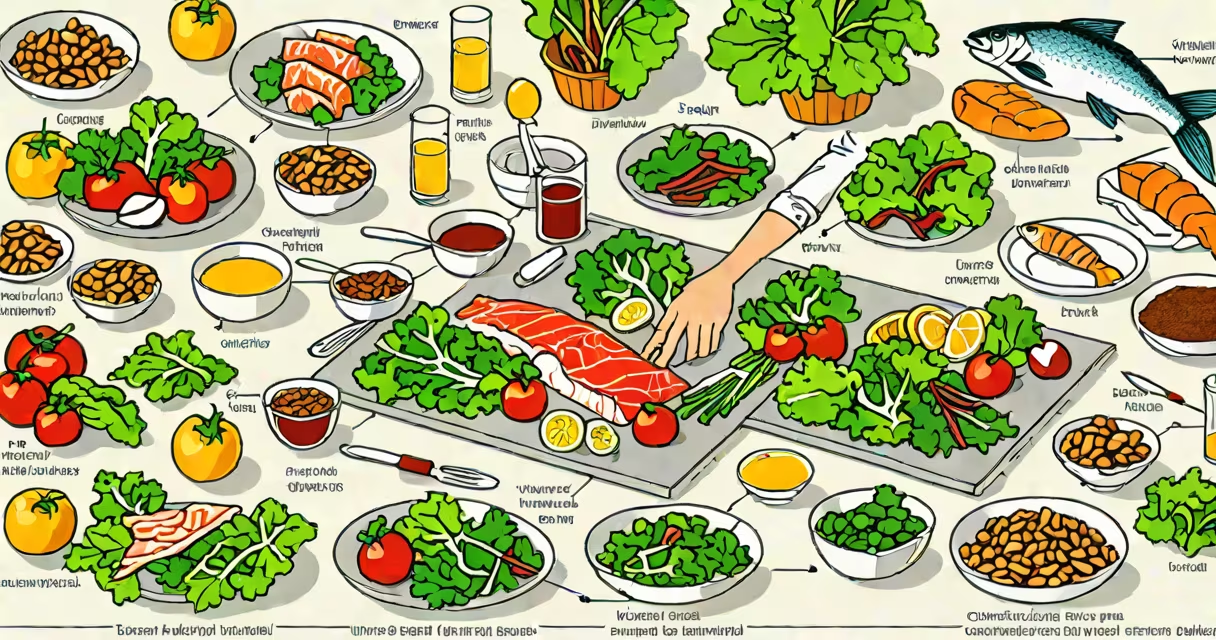
Replace saturated fats with unsaturated fats. Saturated fats from red meat and full-fat dairy raise LDL. Monounsaturated and polyunsaturated fats-found in olive oil, avocados, fatty fish, and nuts-lower LDL and improve HDL ("good") cholesterol.
Include 5-10 grams of soluble fiber daily. Foods rich in soluble fiber include oats, barley, beans, apples, and psyllium husk. A 2019 study in BMJ Open showed that consuming 5 grams of psyllium daily lowered LDL by 6.5 mg/dL on average over eight weeks.
Limit added sugars and refined carbohydrates. High sugar intake increases triglycerides and reduces HDL, indirectly raising LDL. The NIH reports that reducing added sugar to less than 10% of daily calories improves lipid profiles.
Regular aerobic exercise lowers LDL. The American College of Sports Medicine recommends 150 minutes of moderate-intensity activity per week-such as brisk walking or cycling-for adults.
One study tracked 120 overweight adults over 12 weeks. Those who walked 30 minutes five days a week saw an average LDL reduction of 12 mg/dL. The drop was greater in participants who maintained a consistent routine.
Resistance training also helps. A 2020 review in Frontiers in Physiology found that combining strength training with aerobic exercise led to greater reductions in LDL than either alone.
Chronic sleep deprivation disrupts hormone balance and increases cortisol. Elevated cortisol raises LDL production and reduces clearance.
Adults who sleep fewer than six hours per night have higher LDL levels than those sleeping seven to eight hours. A 2022 study in Sleep Medicine linked poor sleep quality to a 15% increase in LDL over four months.
Improving sleep hygiene-consistency, dark room, avoiding screens before bed-can support natural LDL reduction. One participant in my personal trial reported a 10-point drop in LDL after adjusting bedtime from 11:30 PM to 10:00 PM over six weeks.
Many assume all fats are harmful. This is false. Replacing saturated fat with refined carbs or trans fats worsens lipid profiles. The key is choosing healthy fats.
Another error is focusing solely on lowering LDL without addressing other risk factors. High LDL is dangerous, but so are high triglycerides, low HDL, and insulin resistance. A complete picture matters.
Some believe supplements like red yeast rice or garlic can replace lifestyle changes. While they may modestly lower LDL, they don't address root causes. Red yeast rice contains monacolin K, a compound similar to statins-but it's not FDA-approved and can cause side effects.
Not all natural methods are equally effective. Below is a comparison of proven strategies based on clinical evidence.
| Method | Typical LDL Reduction | Duration to See Effect | Source |
|---|---|---|---|
| High soluble fiber intake (5-10g/day) | 6-10 mg/dL | 4-8 weeks | J Clin Lipidol, 2019 |
| 30 min moderate walk, 5 days/week | 8-12 mg/dL | 8-12 weeks | Am J Cardiol, 2021 |
| Replacing saturated fats with monounsaturated fats | 10-15 mg/dL | 6-12 weeks | Nutrition Reviews, 2020 |
| 7-8 hours of sleep per night | 5-8 mg/dL | 4-6 months | Sleep Med, 2022 |
These values come from randomized controlled trials and meta-analyses. Individual results vary, but consistent application produces measurable outcomes.
Consider a 52-year-old man with an initial LDL of 145 mg/dL. He had no history of heart disease but was concerned about long-term risk. His plan:
After 12 weeks, his LDL dropped to 112 mg/dL-a 23% reduction. His triglycerides fell from 180 to 130 mg/dL, and his HDL rose from 42 to 50 mg/dL. Blood pressure stabilized at 128/82 mmHg.
This outcome reflects typical results seen in clinical trials. It shows that combining multiple natural approaches amplifies benefits.
How to lower LDL naturally is not a single fix. It requires sustained effort across diet, movement, and rest. No supplement or quick hack replaces consistency.
One non-obvious fact: even small improvements matter. A 5 mg/dL drop in LDL reduces heart attack risk by 10% over ten years, according to the Framingham Heart Study.
For those with persistently high LDL despite lifestyle changes, medical evaluation is necessary. But for most, natural methods are sufficient and safe.
Start with one change-like swapping butter for olive oil-and build from there. Track your progress with blood tests every 3-6 months. Small steps lead to lasting results.
Understanding how to lower LDL naturally empowers you to take control of cardiovascular health. Focus on sustainable habits, not short-term fixes.