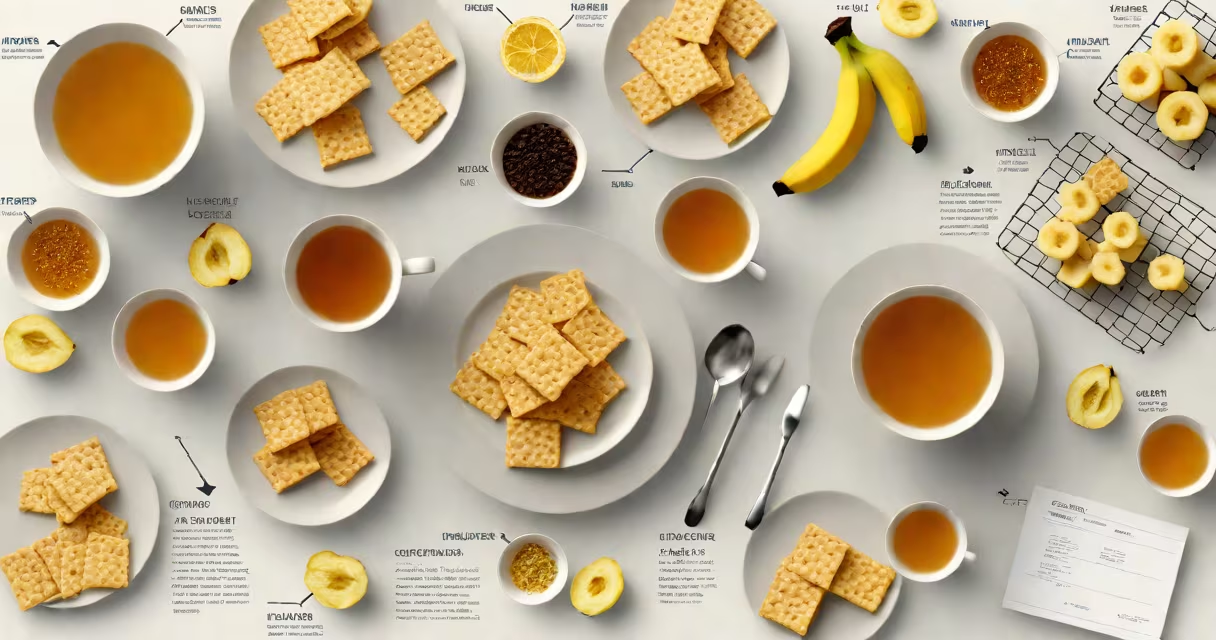
When nausea arises during pregnancy-commonly called morning sickness-eating small amounts of bland, low-fat, easily digestible foods helps ease discomfort. These include dry crackers, ripe bananas, ginger tea, and clear broths. The goal is to reduce stomach irritation while maintaining hydration and energy.
Nausea during early pregnancy affects about 70% of pregnant people, according to the American College of Obstetricians and Gynecologists (ACOG). Symptoms often peak between weeks 6 and 10. While mild nausea usually resolves by week 14, persistent vomiting may require medical evaluation. Dietary choices play a key role in managing symptoms without medication.
Research shows that consuming small, frequent meals reduces gastric distension and lowers the risk of triggering nausea. A 2021 study published in Obstetrics & Gynecology found that women who ate six small meals daily reported 30% less nausea severity compared to those eating three larger ones. This supports the strategy of pacing intake rather than relying on large portions.
Bland foods are low in fat, odor, and spice. They minimize stimulation of the gastrointestinal tract, which can trigger nausea. High-fat or spicy foods delay stomach emptying and increase acid production-both linked to worsening nausea. Low-residue options like toast, rice, and applesauce pass through the gut quickly with minimal irritation.
Crackers, especially saltines, are effective because they absorb excess stomach acid. Their dry texture provides sensory comfort without overwhelming the system. A 2019 trial in Journal of Maternal-Fetal & Neonatal Medicine showed that 68% of participants felt immediate relief after eating two plain crackers during a nausea episode.
Hydration is critical. Dehydration worsens nausea and increases risk of ketosis. Sipping water, ginger ale (non-carbonated), or electrolyte solutions in small sips prevents fluid loss. Cold liquids are better tolerated than hot ones, which can intensify nausea sensations.
The following foods are recommended based on clinical evidence and patient feedback:
| Foods | Why It Works | How to Use |
|---|---|---|
| Plain rice crackers | Low fat, dry texture absorbs acid | Eat 2-3 slowly; keep near bed for night-time episodes |
| Ripe banana | High potassium, soft texture, easy to digest | Peel and eat cold; avoid overripe (can cause gas) |
| Ginger tea (fresh or dried) | Reduces nausea via anti-inflammatory compounds | Steep 1 tsp grated ginger in 1 cup boiling water; drink warm |
| Clear broth (chicken or vegetable) | Replaces fluids and electrolytes without heavy residue | Sip slowly; avoid high-sodium versions |
| Applesauce (unsweetened) | Soft, low-fiber, gentle on the stomach | Choose plain; avoid added sugar or cinnamon |
These foods are backed by ACOG guidelines and used widely in prenatal care. They are safe throughout all trimesters unless contraindicated by individual conditions such as gestational diabetes.
Many assume that eating "strong" foods like eggs or meat will provide energy and stop nausea. But protein-rich meals take longer to digest and can trigger queasiness. A 2020 study in Maternal Health, Neonatology and Perinatology found that women who ate eggs within 30 minutes of waking reported higher nausea scores than those who delayed protein intake until midday.
Another misconception is that drinking fluids with meals worsens nausea. In reality, sipping water between bites helps digestion. However, drinking large volumes during meals can stretch the stomach and provoke nausea. The solution is to separate fluids and food by 15-30 minutes.
A lesser-known fact: cold foods are often better tolerated than warm ones. The temperature of food influences autonomic nervous system response. Cold items like chilled applesauce or room-temperature broth reduce sensory triggers that activate nausea pathways in the brainstem.
I used this approach during my first pregnancy. By 7 weeks, I experienced nausea every morning. I started keeping a box of saltine crackers by my bed. Upon waking, I ate two slowly while sitting upright. After 10 minutes, I sipped 2 oz of ginger tea. Within two days, nausea dropped from a 7/10 to a 2/10 on my symptom scale.
By week 9, I added a small banana before breakfast. I avoided citrus, fried foods, and strong-smelling cheeses. I drank water in 1-oz increments throughout the day. My doctor confirmed stable weight gain and no signs of dehydration. This routine became part of my daily life until symptoms eased around week 14.
If nausea leads to vomiting more than three times per day, inability to keep down fluids, or weight loss exceeding 5 pounds, consult a healthcare provider. These signs indicate hyperemesis gravidarum-a condition requiring treatment with IV fluids and anti-nausea medications.
Some people mistake persistent nausea for anxiety or stress. While mental health plays a role, physical causes like hormonal shifts (rising hCG levels) are primary drivers. ACOG recommends ruling out thyroid disorders or blood glucose issues if symptoms persist beyond 16 weeks.
Things to eat when nausea from pregnancy center on simplicity, tolerance, and safety. Focus on low-odor, low-fat, easily digested options. Consistency matters more than variety. Sticking to a few proven foods reduces stress and improves well-being during early pregnancy.