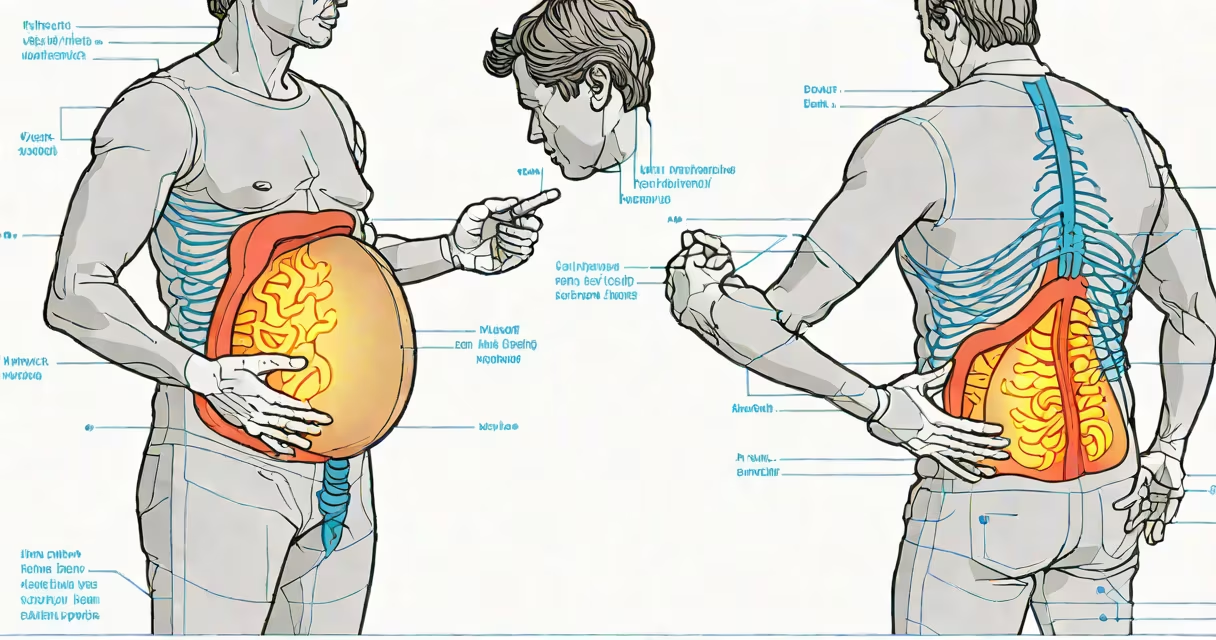
Belching and gas result from air swallowed during eating or drinking, or from gas produced by gut bacteria breaking down undigested food. These processes lead to pressure buildup in the digestive tract, triggering burps or flatulence. The sensation often follows meals, especially those high in fiber, carbonation, or certain carbohydrates.
Swallowed air enters the stomach during rapid eating, drinking carbonated beverages, chewing gum, or using dentures. This air typically exits via the mouth as belching. When the stomach cannot release air quickly, pressure builds, causing the urge to burp. The average person passes gas 10 to 20 times daily, with most episodes being odorless or mildly scented.
Gut bacteria ferment undigested carbohydrates in the large intestine, producing gases like hydrogen, methane, and carbon dioxide. Foods rich in FODMAPs-fermentable oligosaccharides, disaccharides, monosaccharides, and polyols-are common culprits. Lactose intolerance, fructose malabsorption, and sensitivity to beans, cruciferous vegetables, and wheat contribute to gas production.
Belching occurs when excess air accumulates in the upper digestive tract. The lower esophageal sphincter relaxes, allowing air to rise and escape through the mouth. This reflex prevents pressure damage to the stomach lining. Swallowing air while talking during meals, sipping through straws, or smoking increases the volume of air entering the system.
Gas formation begins in the small intestine when carbohydrates aren't fully broken down by enzymes. These undigested sugars pass into the colon, where resident bacteria metabolize them. The process generates gas as a byproduct. For example, lactose in milk requires the enzyme lactase for digestion. People lacking sufficient lactase experience bloating and gas after consuming dairy.
A study published in The American Journal of Gastroenterology found that 75% of individuals reporting chronic gas had identifiable dietary triggers, with beans and cruciferous vegetables being the most frequently reported offenders. The research emphasized that symptom severity correlates strongly with individual tolerance levels rather than absolute food content.
Not all gas is created equal. The composition of intestinal gas varies based on diet and gut microbiome activity. Hydrogen and carbon dioxide are odorless; sulfur-containing compounds like hydrogen sulfide produce the characteristic rotten egg smell.
| Dietary Source | Primary Gas Produced | Why It Causes Gas |
|---|---|---|
| Beans (e.g., kidney, black) | Hydrogen, methane, carbon dioxide | Contain raffinose, a complex sugar poorly digested in the small intestine. |
| Cruciferous vegetables (broccoli, cabbage) | Carbon dioxide, hydrogen | High in raffinose and sulfur compounds. |
| Carbonated drinks | Carbon dioxide | Direct introduction of gas into the stomach. |
| Dairy products (in lactose-intolerant people) | Hydrogen, methane | Lack of lactase leads to fermentation in the colon. |
Some foods trigger gas even in people without diagnosed intolerances. A 2021 review in Nutrients noted that high-fiber diets increase gas volume by 30-40% compared to low-fiber intake, though symptoms often improve over time as the gut adapts.
Chronic belching and gas may indicate underlying conditions. Gastroesophageal reflux disease (GERD) can cause excessive belching due to frequent swallowing of air to relieve heartburn. Functional dyspepsia, a disorder affecting stomach emptying, often presents with early satiety, bloating, and gas.
Small intestinal bacterial overgrowth (SIBO) results in abnormal bacterial colonization in the small bowel. Bacteria ferment carbohydrates before they reach the colon, leading to gas, bloating, and diarrhea. A breath test measuring hydrogen and methane levels confirms SIBO. The condition affects approximately 6% of adults in the U.S., according to the National Institutes of Health.
Irritable bowel syndrome (IBS) involves altered gut motility and heightened visceral sensitivity. While gas is common in IBS, it's not always linked to increased gas production. Instead, patients report greater awareness of normal gas volumes due to nerve hypersensitivity.
Many assume that gas is always unpleasant or a sign of poor health. In reality, passing gas is normal. The average adult produces 1 to 3 pints of gas daily. Odor intensity varies widely and depends on diet and bacterial strains-not on the presence of gas itself.
Another misconception is that antacids cause gas. Some antacids contain calcium carbonate or bicarbonate, which can generate carbon dioxide when reacting with stomach acid. However, clinical trials show that gas incidence increases by less than 5% in users of standard antacid formulations. The effect is minor and transient. For those concerned, switching to aluminum hydroxide-based antacids reduces gas risk.
Consider a person who eats a large pepperoni pizza with a side of soda. The crust contains gluten and starches partially resistant to digestion. The cheese provides lactose, and the tomato sauce adds fructose. Carbonation from the drink introduces additional gas. After eating, the individual feels bloated within 30 minutes and experiences multiple episodes of belching and flatulence over the next two hours.
Each component contributes to gas formation. Gluten may irritate the gut lining in sensitive individuals. Lactose ferments in the colon. Fructose and starches feed colonic bacteria. Carbonation adds direct gas volume. The combined effect exceeds the body's ability to manage gas transit, resulting in noticeable symptoms.
Reducing portion size, avoiding carbonated drinks, and choosing lactose-free cheese can reduce symptoms. A controlled trial showed that limiting high-FODMAP foods reduced gas-related discomfort by 60% in participants with functional gastrointestinal disorders.
If belching and gas occur daily, interfere with sleep or work, or are accompanied by weight loss, blood in stool, or persistent diarrhea, consult a gastroenterologist. Diagnostic tools include breath tests for lactose or fructose malabsorption, hydrogen breath testing for SIBO, and endoscopy if structural issues are suspected.
For mild cases, keeping a food diary helps identify patterns. Track meals, timing of symptoms, and gas frequency. Over time, this reveals specific triggers. Eliminating one food at a time-such as beans or onions-can isolate problematic items.
Understanding the root causes of belching and gas allows targeted changes. Most cases resolve with dietary adjustments. Persistent symptoms require medical evaluation, but they rarely indicate serious disease. The key is distinguishing normal variation from pathological patterns.