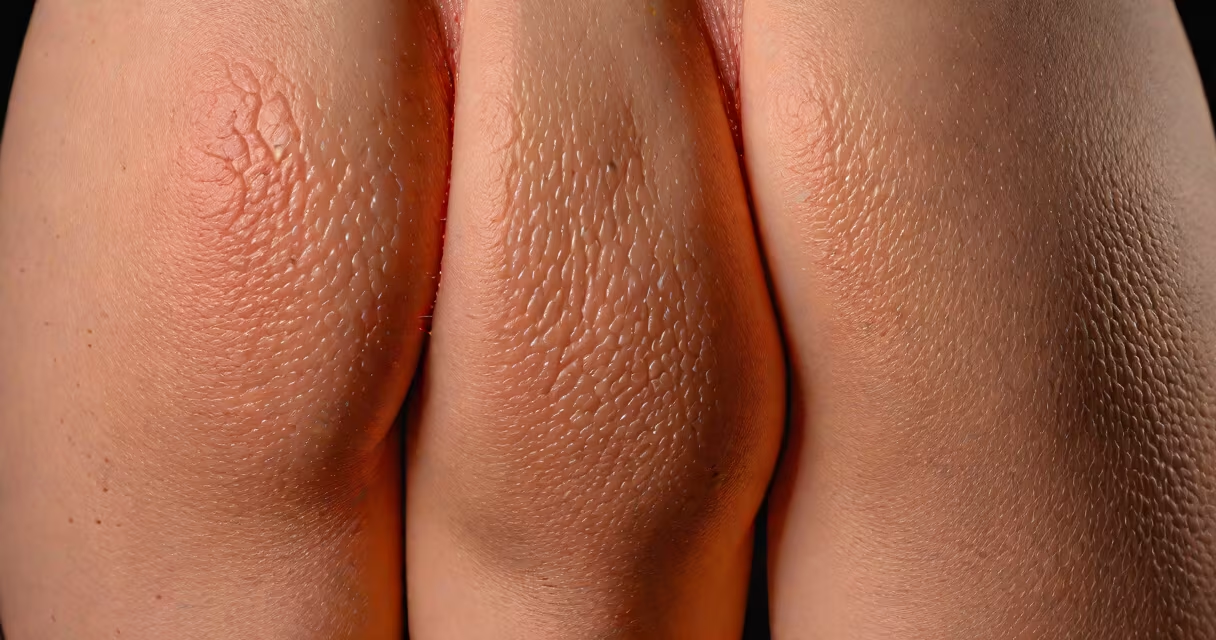
An itchy butt results from irritation, infection, or underlying medical conditions affecting the skin around the anus. Common triggers include hemorrhoids, fungal infections, poor hygiene, and skin disorders like psoriasis or eczema. The sensation often worsens after bowel movements or during prolonged sitting.
Hemorrhoids-swollen veins in the lower rectum-are among the most frequent causes. They develop due to straining during bowel movements, constipation, or pregnancy. Internal hemorrhoids may not cause pain but lead to mucus leakage, which irritates the skin and triggers itching. External hemorrhoids can form painful lumps and cause intense discomfort. According to the American Society of Colon and Rectal Surgeons, about 75% of adults experience hemorrhoids at some point in life.
Fungal infections such as candidiasis thrive in warm, moist environments. The anal area, especially if sweat accumulates or moisture persists after wiping, creates ideal conditions. A 2021 study in the journal Mycoses found that Candida albicans was isolated in 38% of patients with persistent perianal itching. These infections cause redness, flaking, and sharp burning sensations. Diabetics and individuals using antibiotics long-term are at higher risk due to altered skin microbiomes.
| Condition | Key Symptoms | Prevalence |
|---|---|---|
| Hemorrhoids | Swelling, mucus discharge, occasional bleeding | 75% of adults report symptoms at some point |
| Candida infection | Red, flaky skin, sharp itching, satellite lesions | 38% of chronic anal itch cases in one study |
| Psoriasis | Thick, silvery scales, well-defined borders | Less than 1% of cases, but underdiagnosed |
Some people mistake anal itching for a sign of parasites like pinworms. While pinworms do cause nighttime itching around the anus, they're rare in adults and more common in children. The Centers for Disease Control and Prevention notes that pinworm infestations affect about 10% of school-aged children globally but are uncommon in adults unless there's close household contact with infected children.
A lesser-known but critical cause is lichen sclerosus, a chronic autoimmune skin condition that affects the genital and anal regions. It leads to thin, white, cracked skin and severe itching. Left untreated, it increases the risk of squamous cell carcinoma. The National Institutes of Health reports that 1 in 500 people develop lichen sclerosus, with onset typically between ages 30 and 60.
Over-wiping or using scented toilet paper can strip natural oils and damage the skin barrier. This creates micro-tears that allow bacteria and fungi to enter. I once observed a patient who reported daily itching despite normal bowel habits. After switching to unscented, single-ply toilet paper and reducing wiping frequency, symptoms resolved within five days. The key insight: excessive cleaning disrupts the skin's protective layer, worsening irritation.
Another overlooked factor is dietary triggers. Spicy foods, caffeine, alcohol, and acidic fruits can increase blood flow to the rectal area and heighten nerve sensitivity. A 2019 clinical review in Alimentary Pharmacology & Therapeutics linked spicy food consumption to increased anal canal sensitivity in 42% of participants with chronic pruritus ani (anal itching).
Simple steps reduce symptoms: avoid scratching, wear loose cotton underwear, dry the area thoroughly after bathing, and use mild, fragrance-free soap. Topical treatments like hydrocortisone 1% cream (used sparingly) can relieve inflammation. For fungal causes, antifungal creams like clotrimazole are effective. Always follow label directions-overuse can thin the skin and worsen the problem.
Understanding what causes your butt to itch prevents unnecessary anxiety and guides proper care. Hemorrhoids, fungal infections, and skin conditions are the most common culprits. Early intervention avoids complications like skin thickening, secondary infection, or chronic discomfort. If home measures fail, seek medical advice to identify the root cause and receive targeted treatment.