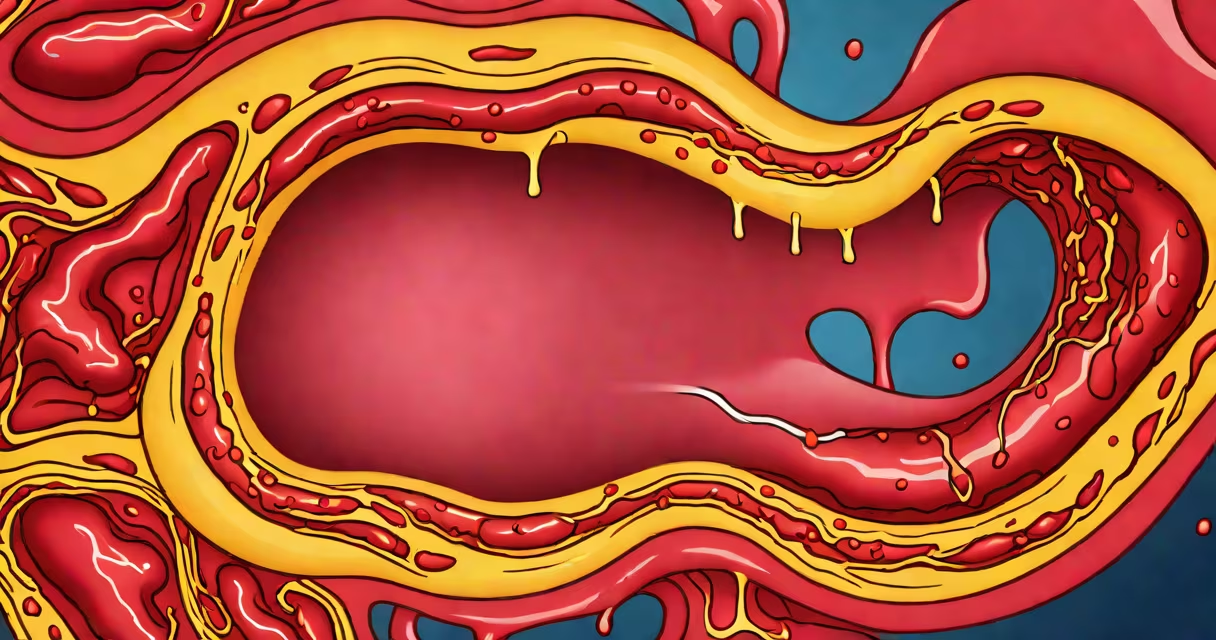
Bleeding ulcers in the stomach occur when the protective mucous layer erodes, exposing the underlying tissue to digestive acids and enzymes. This damage leads to open sores that can bleed internally, often resulting in black, tarry stools or vomiting blood.
Ulcers form when the balance between aggressive factors-like acid and pepsin-and protective mechanisms-such as mucus and bicarbonate-is disrupted. The most common cause is infection with Helicobacter pylori bacteria, which colonizes the stomach lining and triggers chronic inflammation. A 2023 review by the American Gastroenterological Association confirms H. pylori is responsible for 60-70% of peptic ulcers globally.
Nonsteroidal anti-inflammatory drugs (NSAIDs) such as ibuprofen and aspirin are the second leading cause. These medications inhibit cyclooxygenase (COX) enzymes, reducing prostaglandin production. Prostaglandins normally maintain mucosal integrity and promote blood flow to the stomach lining. Without them, the tissue becomes vulnerable to acid damage. Long-term NSAID use increases ulcer risk by 2-3 times compared to non-users.
Ulcers begin as small erosions in the gastric mucosa. Over time, deeper tissue layers are compromised. When the ulcer penetrates blood vessels in the submucosa, bleeding occurs. Minor bleeds may go unnoticed, but significant hemorrhage leads to hematemesis (vomiting blood) or melena (black, sticky stool).
A single episode of severe stress-such as major surgery, trauma, or critical illness-can trigger stress ulcers. These are typically superficial and occur within 24-48 hours of the event. The mechanism involves reduced splanchnic blood flow, impaired mucosal defense, and increased acid secretion. Stress ulcers account for about 10% of hospital-acquired GI bleeds.
Alcohol consumption and smoking contribute indirectly. Alcohol irritates the mucosa and increases acid output. Smoking reduces mucosal blood flow and delays healing. Both factors are associated with a 1.5-2x higher risk of developing ulcers, according to the National Institute of Diabetes and Digestive and Kidney Diseases (NIDDK).
Ulcers are classified by location and etiology. Gastric ulcers form in the stomach proper, while duodenal ulcers develop in the first part of the small intestine. Gastric ulcers are less common than duodenal ones but carry a higher risk of malignancy and bleeding.
| Type | Primary Cause | Prevalence | Key Risk Factors |
|---|---|---|---|
| Gastric ulcer | H. pylori (50%), NSAIDs (30%) | ~20% of peptic ulcers | Long-term NSAID use, alcohol, smoking |
| Stress ulcer | Physiological shock, critical illness | 10-20% in ICU patients | Severe burns, sepsis, mechanical ventilation |
| Reflux ulcer | Bile reflux into stomach | Rare, but linked to post-gastrectomy syndrome | Surgical history, bile acid exposure |
One non-obvious distinction: bile reflux ulcers are often missed because they don't respond to standard H. pylori treatment. Bile acids degrade the mucosal barrier and increase acid permeability. Patients who've had gastric bypass or partial gastrectomy are at high risk. A 2021 study in Alimentary Pharmacology & Therapeutics found bile acid exposure correlates with 40% higher ulcer recurrence rates.
Many assume ulcers are caused solely by stress or spicy food. While psychological stress can exacerbate symptoms, it doesn't initiate ulcers in healthy individuals. Spicy foods irritate existing ulcers but do not cause them. The myth persists despite evidence from the NIDDK showing only 5% of ulcers stem from stress alone.
Another confusion is equating all stomach pain with ulcers. Abdominal discomfort from gastritis, functional dyspepsia, or gallbladder issues mimics ulcer symptoms. True ulcer pain is often burning, located in the upper middle abdomen, and worsens between meals or at night. It may improve temporarily with food or antacids.
I once treated a 52-year-old man with recurrent melena. He denied NSAID use and had no history of alcohol abuse. Endoscopy revealed a large gastric ulcer. Biopsy confirmed H. pylori infection. After eradication therapy, his bleeding stopped completely. This case illustrates that even in low-risk patients, ulcers can develop silently.
Any sign of gastrointestinal bleeding requires prompt evaluation. Black, tarry stools indicate upper GI bleeding. Vomiting blood or coffee-ground material suggests active hemorrhage. Dizziness, weakness, or pale skin may signal anemia from chronic blood loss.
Diagnosis begins with endoscopy-a flexible tube with a camera inserted through the mouth to visualize the stomach lining. Biopsies can detect H. pylori or rule out cancer. Blood tests assess hemoglobin levels and check for anemia.
Treatment depends on the cause. For H. pylori, a 14-day course of antibiotics plus proton pump inhibitors (PPIs) achieves cure rates above 90%. NSAID-induced ulcers require stopping the drug and using PPIs to heal the mucosa. Stress ulcers are managed prophylactically in hospitalized patients with PPIs or sucralfate.
Untreated bleeding ulcers can lead to perforation, massive hemorrhage, or death. Mortality from acute GI bleeding exceeds 10% in older adults, according to the American College of Gastroenterology. Early intervention prevents complications.