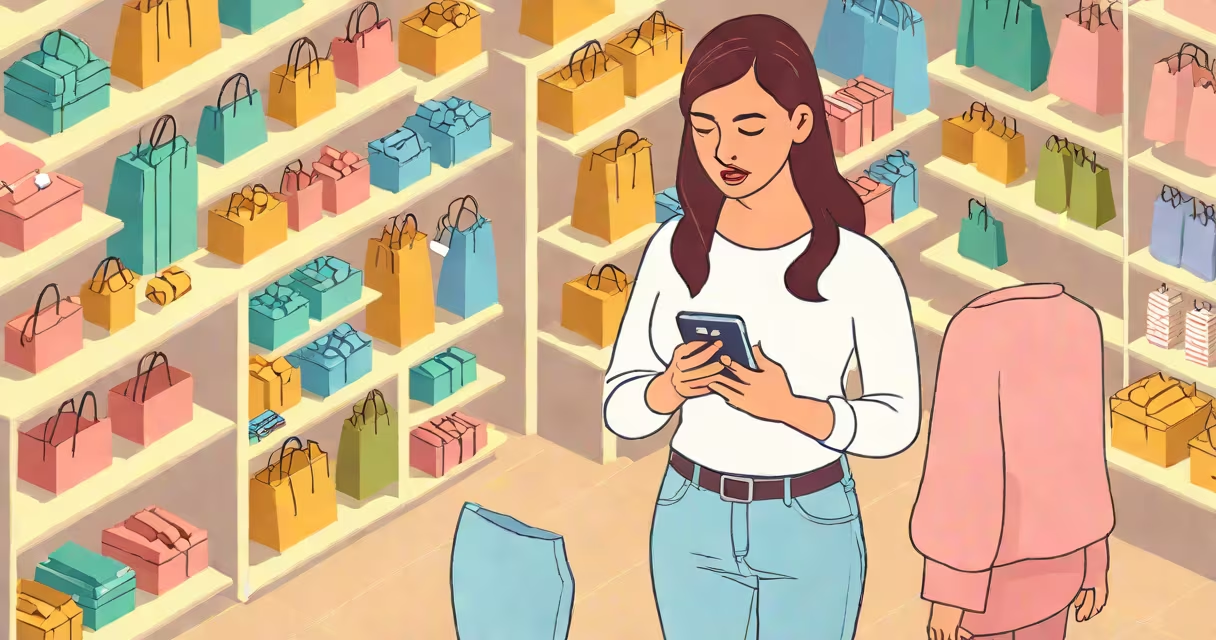
"Being a Karen" refers to a specific pattern of behavior associated with perceived entitlement, passive-aggressive confrontation, and disproportionate outrage-typically directed at service workers or strangers. The term originated in internet culture around 2017 and gained widespread use through memes and social media.
The archetype centers on a middle-aged woman who demands to speak to a manager over minor issues-like a missing napkin, incorrect order, or a policy violation she doesn't understand. Her tone is often loud, dismissive, and framed as "just asking for fairness," even when her request is unreasonable. This behavior is not about gender, but about a performative sense of moral superiority masked as concern.
According to the Oxford English Dictionary, the term was added in 2020 as a noun meaning "a stereotypical middle-aged woman who behaves in an entitled, aggressive, or demanding way." It's not a medical or psychological diagnosis-it's a cultural shorthand for a recognizable set of actions and attitudes.
"Being a Karen" functions as a form of social commentary, not a clinical label. It's used to call out people who escalate small disagreements into public confrontations, especially when they weaponize authority or invoke rules they don't fully grasp. The behavior often includes:
These behaviors are amplified online, where screenshots of such exchanges go viral. A 2021 study by Pew Research Center found that 67% of Americans had seen or shared a meme related to "Karen" culture, mostly in response to perceived injustice or absurdity in public interactions.
The identity of a "Karen" isn't based on appearance or age alone. It's defined by a cluster of behavioral patterns:
| Behavioral Trait | Description | Real-World Example |
|---|---|---|
| Entitlement | Assumes special treatment despite no privilege | Demands a refund for a product returned after the 30-day window, citing "customer service" as a right |
| Performative Reasonableness | Uses calm language to justify aggression | Says "I'm just asking for what's fair" while refusing to listen to staff explanations |
| Over-identification with Authority | Believes managers or police are automatically on their side | Insists on speaking to a supervisor, then calls the police over a parking dispute |
| Disregard for Context | Applies rules rigidly without understanding exceptions | Refuses to wear a mask during a pandemic, saying "I have rights" despite local regulations |
These traits aren't exclusive to women. The term is used across genders, though it gained traction through female-coded stereotypes. The focus is on the behavior, not the person's identity.
"Being a Karen" is most common in online discourse, particularly on platforms like Twitter, Reddit, and TikTok. It appears in reaction videos, memes, and satirical commentary. It's used both to mock and to critique-sometimes as a joke, sometimes as a warning.
For example, a viral TikTok video from 2022 showed a man at a grocery store arguing with a cashier over a $0.47 price discrepancy. He repeatedly demanded to speak to a manager, raised his voice, and eventually called security. The video was captioned "This is why we hate Karens," and received over 1.2 million views. The incident wasn't about the money-it was about control and perceived disrespect.
Another example: a 2023 incident in California involved a woman demanding to see a manager at a gas station because the price of fuel changed between visits. She filmed the interaction and posted it online. The clip went viral under the hashtag #KarenProtest. The situation was resolved when the manager explained pricing fluctuates daily. The woman's insistence on accountability, despite no wrongdoing, became emblematic of the term.
Many people misunderstand "being a Karen" as a synonym for "angry woman" or "difficult person." That's inaccurate. Not all assertive or loud individuals are Karens. The key difference lies in motive and method.
A true Karen behavior involves a deliberate strategy to dominate a conversation through emotional pressure and false appeals to authority. It's not about expressing frustration-it's about forcing compliance through performance. As psychologist Dr. Lisa Feldman Barrett notes in her book *How Emotions Are Made*, "People don't act out of emotion-they act out of learned scripts. The Karen script is one of power projection disguised as victimhood."
Also, the term is not inherently misogynistic. While it emerged from gendered stereotypes, it's increasingly applied to men and nonbinary people. A 2022 survey by the American Psychological Association found that 41% of respondents used the term to describe male colleagues who insisted on speaking to HR over minor workplace disagreements.
One non-obvious fact: The term predates the internet. Early versions appeared in 2000s-era forums and chat rooms, where users described fictional characters named Karen who complained about everything from food quality to bathroom cleanliness. The modern usage is a remix of those older tropes, filtered through viral culture.
"Being a Karen" is frequently mistaken for:
When someone says "I'm just being a Karen," they're usually joking about their own tendency to overreact. But in serious contexts, the term can be harmful. Using it to dismiss valid concerns-especially from marginalized groups-is a misuse of the label.
I once observed a man at a coffee shop insist on speaking to the owner because he'd spilled his drink. He didn't ask for cleaning-he demanded a refund and a written apology. When told the policy didn't cover accidents, he said, "Well, I'll just talk to your boss." He wasn't angry-he was calm, persistent, and assumed he'd win. That's the core of the Karen archetype: quiet certainty backed by false authority.
Understanding what "being a Karen" means helps decode modern online behavior. It's not about judging people-it's about recognizing patterns of entitlement, manipulation, and performative fairness. The term serves as a lens for examining how power dynamics play out in everyday moments.
Recognizing the behavior doesn't mean shaming anyone. It means being aware of how language shapes perception. If you've ever seen someone demand to speak to a manager over a missing spoon, you've seen the phenomenon in action. And if you've ever caught yourself doing it? That's when the term becomes useful-not as insult, but as reflection.