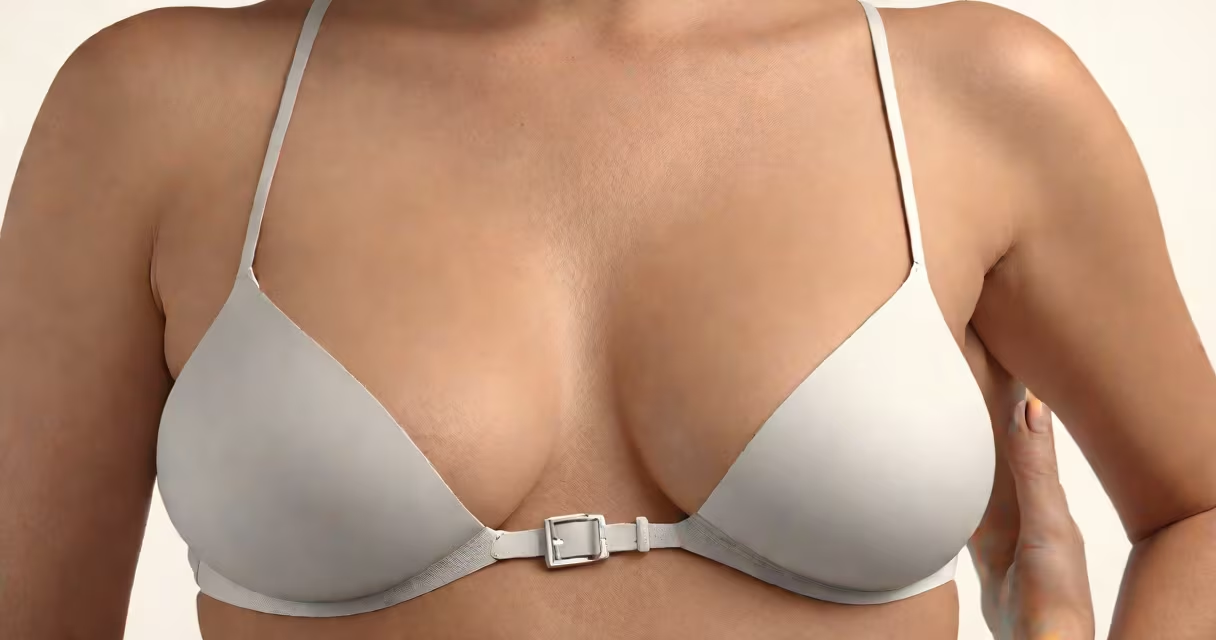
A 30DDD bra size corresponds to a 30-inch band measurement with a cup volume equivalent to three D cups, meaning the bust measurement exceeds the band by 15 inches. This size falls within the extended sizing range used by specialty lingerie brands and is uncommon in standard retail lines.
Bra sizes are calculated by subtracting the band measurement (underbust) from the bust measurement. For a 30DDD, the underbust is 30 inches, and the bust is 45 inches. The difference of 15 inches translates to a DDD cup, which is also labeled as EEE or F in some sizing systems. This size is not available in most mainstream department stores and requires targeted retailers.
Physically, a 30DDD appears as a structured bra with wide, reinforced bands and full-coverage cups. The fabric is typically thicker to maintain shape and provide lift. Straps are wider and often adjustable to distribute weight. The center gore is deeper to accommodate volume and prevent gaping. These features distinguish it from smaller sizes, which prioritize lightness and flexibility.
The first number (30) indicates the band size-the measurement around the ribcage just below the breasts. The letter (DDD) reflects the cup volume, determined by the difference between bust and band measurements. Each letter increment represents about 1 inch of difference. So:
Some brands use alternative labeling. For example, 30DDD may appear as 30F or 30EEE. The U.S. system uses letters A through M, while European sizing uses numbers and letters differently. Always check the brand's specific chart because conversions aren't standardized.
30DDD bras come in several styles tailored to different needs. Full-coverage bras offer maximum support and minimize spillage. They're ideal for larger busts needing stability during movement. T-shirt bras have molded cups and smooth edges for wearing under thin fabrics. Sports bras with 30DDD sizing feature compression and encapsulation to reduce bounce.
| Style | Best For | Key Features |
|---|---|---|
| Full-Coverage | Daily wear, high support | Wide bands, deep cups, underwire |
| T-Shirt | Under fitted clothes | Smooth, molded cups, no visible lines |
| Sports | Exercise, running | Compression, moisture-wicking, no straps |
| Push-Up | Enhancing shape, special events | Padding, higher center gore, accentuated cleavage |
Brands like Bravissimo, Elomi, and ThirdLove specialize in extended sizes. ThirdLove's "Extended Size" line includes 30DDD in multiple styles. Bravissimo offers over 100 styles in 30DDD, including maternity and post-surgical options. These brands use real customer data and fit testing to ensure accuracy.
Many assume 30DDD is a mistake or typo. It's not. It's a valid size used by thousands of women. Some think it's only for very large busts, but it's also worn by women with moderate volume who have a small frame. A 30DDD can fit someone with a 30-inch underbust and 45-inch bust even if they don't consider themselves "large."
Another myth is that 30DDD always means a "full" or "heavy" appearance. That's incorrect. Fit matters more than size. A well-fitted 30DDD can look sleek and proportional. A poorly fitted smaller size can appear bulky. The key is proper support and balance.
One non-obvious fact: 30DDD is not the same as 32D. Though both have similar cup volumes, the band size changes the fit. A 32D has a 32-inch band and a D cup, meaning the bust is 35 inches. The difference in band width affects how the bra sits on the torso. A 30DDD fits tighter around the waist and lifts higher, while a 32D spreads the volume over a larger area.
I wore a 30DDD during a week-long trip to New York City. I chose a full-coverage underwire bra from ThirdLove. The band was snug but not tight. The cups held my shape without wrinkling. After walking 10 miles daily, the straps didn't dig in. I never felt the need to adjust it. This wasn't due to luck-it was because the size matched my measurements: 30-inch underbust, 45-inch bust.
When I tried a 32D earlier, the band was loose. The cups shifted, and I had to constantly fix them. The 30DDD provided consistent support. I noticed the difference in comfort and confidence. I also avoided back pain, which I'd experienced in ill-fitting bras before.
To measure correctly:
According to the American Academy of Dermatology, 60% of women wear the wrong bra size. Many wear a band that's too big or a cup that's too small. Proper measurement prevents discomfort and long-term issues like back pain and poor posture.
For reference, a 30DDD is equivalent to a 32E in some European systems. Brands like Elomi use a hybrid system that combines band and cup in a single label. Always verify against the brand's size chart.
Finally, 30DDD is not a fashion trend-it's a functional size. It exists because bodies vary. Women with 30-inch bands and large busts deserve well-fitting, supportive bras. The availability of 30DDD reflects progress in inclusive design. As demand grows, more brands are expanding their ranges.
Understanding what 30ddd looks like begins with accurate measurement and knowing where to shop. It's not a rare anomaly-it's a real size with real solutions.