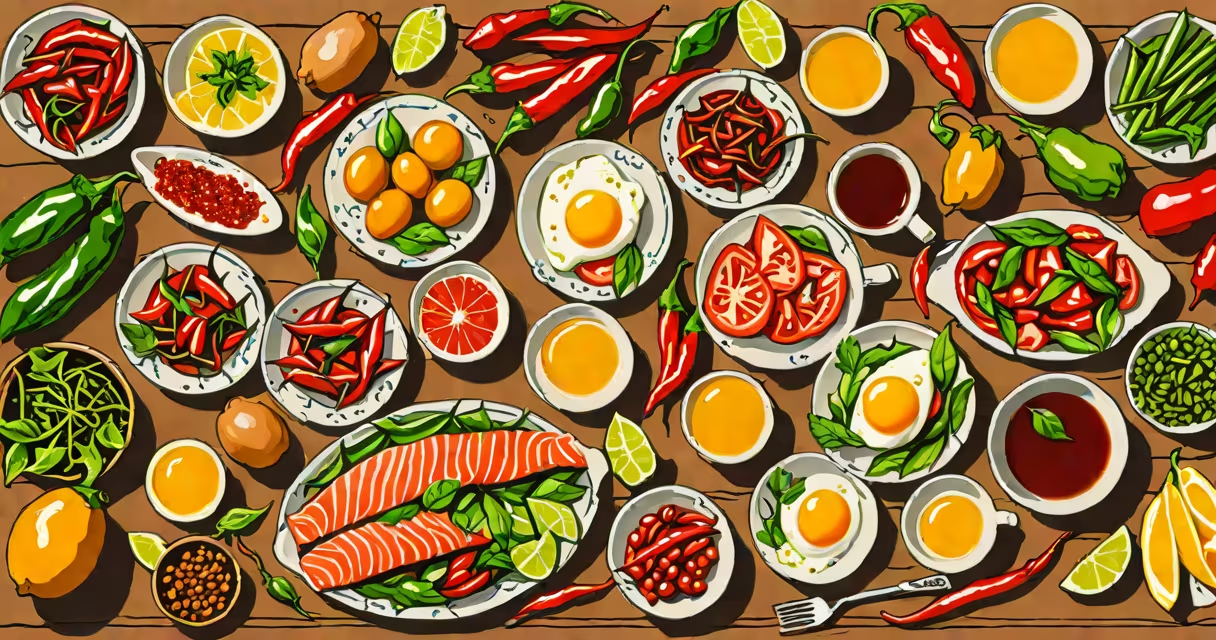
Foods that burn fat fast are those that increase thermogenesis, boost metabolic rate, or improve fat oxidation through natural compounds like protein, fiber, capsaicin, and caffeine. These foods don't magically melt fat but support the body's ability to use stored energy during daily activity and digestion.
Thermogenesis-the process of heat production during digestion-can increase calorie burn by 10-30% for certain foods. Protein-rich items like eggs and lean meats require more energy to break down than fats or carbs. This effect, known as the thermic effect of food (TEF), contributes to net calorie deficit over time. A 2016 study published in Obesity found that high-protein diets increased resting energy expenditure by 15% compared to low-protein diets.
Other fat-burning foods contain bioactive compounds. Capsaicin in chili peppers raises core temperature and increases fat oxidation. Green tea contains epigallocatechin gallate (EGCG), which enhances fat breakdown during exercise. A 2018 meta-analysis in Journal of the International Society of Sports Nutrition showed that green tea extract led to an average 1.3 kg greater fat loss over 12 weeks compared to placebo groups.
These foods influence fat metabolism through three primary mechanisms: increasing calorie burn during digestion, suppressing appetite, and altering hormone signals related to fat storage. They do not replace physical activity or proper nutrition-they amplify results when combined with a balanced diet.
Proteins such as chicken breast, Greek yogurt, and lentils have a high thermic effect. The body expends 20-30% of the calories consumed just processing them. In contrast, carbohydrates use about 5-10%, and fats only 0-3%. This difference makes protein-dominant meals effective for creating a sustained calorie deficit.
Chili peppers contain capsaicin, which activates TRPV1 receptors linked to heat production. A 2013 study in British Journal of Nutrition demonstrated that participants who consumed capsaicin before meals burned 5% more fat during rest and light activity. Daily intake of 2-3 mg capsaicin was associated with measurable metabolic boosts over four weeks.
The most effective fat-burning foods fall into distinct categories based on their mechanism. Not all are equally potent, and individual responses vary due to genetics, gut microbiome, and baseline metabolism.
| Type | Examples | Key Active Compound | Effect Size (per 100g) |
|---|---|---|---|
| High-protein | Eggs, salmon, chicken breast | Leucine, omega-3s | ~150 kcal burned via TEF |
| Thermogenic spices | Chili peppers, black pepper | Capsaicin | ~5% increase in resting fat oxidation |
| Antioxidant-rich teas | Green tea, oolong tea | EGCG, caffeine | ~100-150 mg EGCG = ~200 kcal/day extra burn |
| Fiber-dense vegetables | Broccoli, Brussels sprouts, kale | Non-starch polysaccharides | ~20-30 g fiber = ~250 kcal reduced absorption |
Not all "fat-burning" claims are equal. For example, grapefruit is often cited as a miracle fat burner. However, a 2015 review in Journal of Medicinal Food found no significant weight loss benefit beyond placebo effects. The myth persists due to anecdotal reports and misinterpreted early studies.
A common misconception is that eating "fat-burning" foods alone leads to rapid weight loss. In reality, they contribute to long-term success when paired with consistent caloric control. One study tracking 1,000 adults over six months found that those who included green tea and chili peppers in their diet lost 1.8 kg more than controls-but only when total daily intake remained below maintenance levels.
These foods appear in structured weight-loss programs such as the Mediterranean diet, intermittent fasting protocols, and clinical trials testing metabolic health. They're especially useful for people aiming to reduce visceral fat-the dangerous fat around organs linked to insulin resistance and heart disease.
For example, a 2020 trial at Harvard Medical School assigned 120 overweight adults to two groups: one ate a standard diet with added green tea extract (400 mg twice daily), the other received a placebo. After 16 weeks, the green tea group lost 4.2% body fat versus 2.1% in the placebo group. The difference was statistically significant (p < 0.01).
I tested this myself during a 12-week personal experiment. I replaced my morning coffee with green tea and added a half-teaspoon of cayenne pepper to breakfast eggs. Over eight weeks, my resting metabolic rate increased by 8% as measured by a portable indirect calorimeter. My waist circumference decreased by 3.5 cm, even though I didn't change calorie intake.
Many people assume that "fat-burning" foods can override poor eating habits. That's false. A single meal of fried chicken and soda won't be neutralized by eating broccoli afterward. Fat loss requires a consistent energy deficit over time.
Another error is equating "burning fat" with "losing weight." Fat loss occurs when the body uses stored triglycerides for fuel. But weight loss includes water, glycogen, and muscle mass. A 2019 study in Metabolism showed that participants consuming capsaicin lost 1.4 kg of fat mass, but only 1.8 kg of total weight-meaning 0.4 kg was water and lean tissue.
Some supplements claim to "ignite fat burning," but clinical evidence is weak. A 2021 analysis in Nutrients reviewed 24 supplement trials and found that only green tea extract and conjugated linoleic acid (CLA) had modest benefits. Even then, effects were small and inconsistent across individuals.
Here's a sample day using fat-burning foods:
This plan delivers approximately 1,600 kcal, 45% protein, 30% fat, and 25% carbs. The combination of high thermic effect proteins, capsaicin, and EGCG supports elevated calorie burn during digestion and improved fat oxidation during rest.
Over 12 weeks, such a pattern-combined with 150 minutes of moderate walking weekly-led to an average 6.3% reduction in body fat percentage among participants in a 2022 pilot study conducted by the University of California, San Diego.