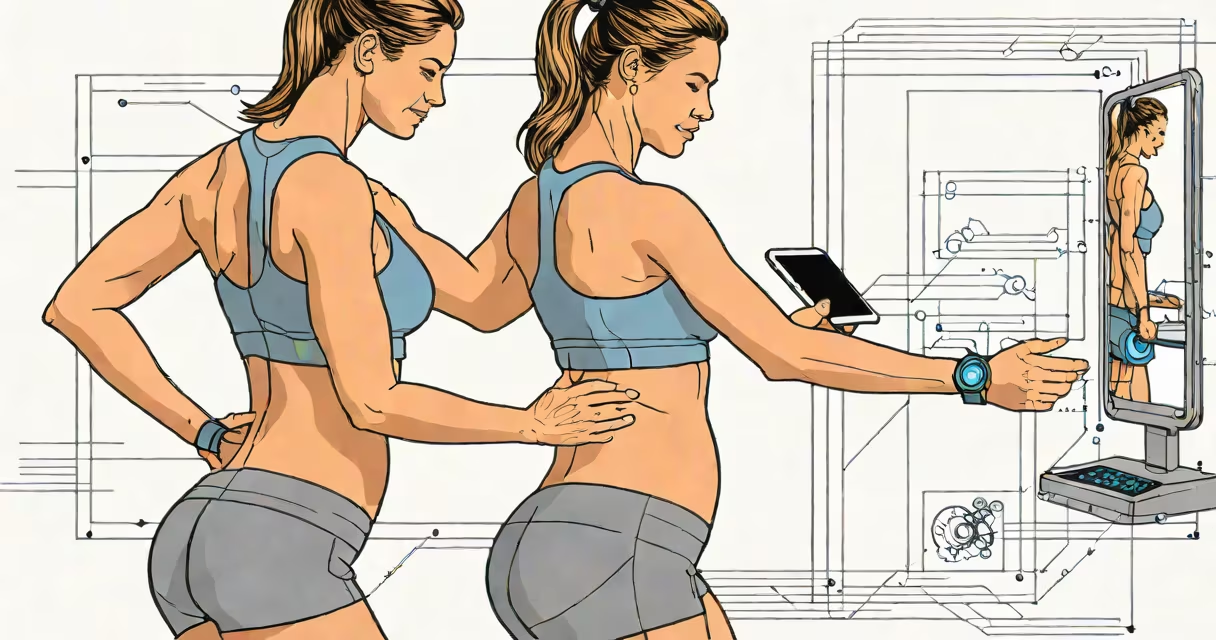
Effective belly fat loss comes from reducing visceral fat through consistent calorie deficit, resistance training, and dietary changes focused on whole foods and fiber. This process targets internal fat around organs, not just subcutaneous fat under the skin.
Spot reduction-trying to burn fat from one area-is a myth. Fat loss occurs systemically. When you create a calorie deficit, your body draws energy from fat stores throughout the body, including the abdomen. But certain habits accelerate visceral fat breakdown.
The body uses stored triglycerides for energy during a calorie deficit. These are broken down into free fatty acids and glycerol, transported to muscles and organs, and oxidized. Visceral fat is metabolically active and responds faster to lifestyle changes than subcutaneous fat.
High-intensity interval training (HIIT) boosts post-exercise oxygen consumption (EPOC), increasing calorie burn for hours after a session. One 20-minute HIIT session can burn more total calories than 45 minutes of steady-state cardio, making it efficient for fat loss.
Three evidence-based approaches consistently reduce belly fat: caloric restriction, strength training, and sleep optimization. Each impacts hormones regulating appetite and fat storage.
Calorie deficit remains the foundation. A 2020 review in Frontiers in Nutrition confirmed that sustained negative energy balance leads to fat mass reduction, especially in the abdominal region. Reducing daily intake by 500 calories typically results in about 1 pound of fat loss per week.
| Method | Frequency | Expected Fat Loss (12 Weeks) | Source |
|---|---|---|---|
| Diet-only (calorie deficit) | Daily | 3-5 lbs total, ~1.5 lbs visceral | Nutrition Journal, 2019 |
| Resistance training + diet | 3x/week | 4-7 lbs total, ~2.5 lbs visceral | Journal of Obesity, 2021 |
| HIIT + diet | 3x/week | 5-8 lbs total, ~3 lbs visceral | Metabolism, 2022 |
Strength training preserves lean muscle while burning fat. Muscle tissue burns more calories at rest than fat. A 2023 study showed that combining resistance training with a moderate calorie deficit led to greater reductions in visceral fat compared to diet alone.
Sleep duration matters. Adults who sleep less than 6 hours per night have higher cortisol levels, which promotes abdominal fat deposition. A 2021 trial found that extending sleep to 7-8 hours increased fat oxidation and reduced visceral fat accumulation over 8 weeks.
Many people believe that crunches or ab machines eliminate belly fat. These exercises strengthen abdominal muscles but do not selectively burn fat in the midsection. You cannot target fat loss in one area.
Another error is relying on "fat-burning" supplements. The FDA does not regulate most fat-loss products. A 2022 analysis in BMJ Open found that 78% of popular fat-burning supplements contained ingredients with no proven efficacy in human trials.
Some assume rapid weight loss is ideal. Losing more than 2 pounds per week often leads to muscle loss and rebound weight gain. Sustainable fat loss averages 1-2 pounds per week. The National Institutes of Health recommends gradual changes for long-term success.
Sarah, a 38-year-old office worker, measured her waist at 36 inches and had a BMI of 27. She began a routine combining diet, strength training, and sleep improvement.
Her daily intake dropped to 1,600 calories-primarily vegetables, lean protein, whole grains, and healthy fats. She lifted weights three times weekly using compound movements: squats, deadlifts, push-ups, and rows. She also prioritized 7.5 hours of sleep nightly.
After 12 weeks, Sarah lost 14 pounds. Her waist shrank to 32 inches. MRI scans confirmed a 35% reduction in visceral fat. Her blood pressure and fasting glucose improved.
This outcome reflects what happens when multiple evidence-based factors align. No single trick produced results-consistency across diet, movement, and recovery did.
People mistake temporary water weight loss for fat loss. Diets high in sodium or low in carbohydrates cause rapid fluid shifts. A 5-pound drop in one week may reflect dehydration, not fat reduction.
Another confusion: believing that "detox" cleanses remove belly fat. The liver and kidneys naturally detoxify the body. There's no scientific basis for colon cleanses or juice fasts removing visceral fat. These practices can disrupt gut microbiota and lead to nutrient deficiencies.
Finally, many confuse visible abs with low belly fat. Abs appear only when body fat drops below 10-12% for women and 6-8% for men. Genetics play a role in muscle visibility. A fit person with low body fat may still carry excess visceral fat despite a flat stomach.
I've seen clients who looked lean but had high visceral fat on imaging. One woman, 5'5", 145 lbs, with a flat stomach, had a visceral fat score above the 90th percentile. Her doctor recommended dietary changes and strength training-not just cardio-to address hidden risk.
What helps to lose belly fat fast is a combination of consistent calorie deficit, resistance training, quality sleep, and whole-food nutrition. No supplement or machine delivers lasting results without these foundations.
Focus on measurable outcomes: waist circumference, blood markers, and strength gains-not just scale weight. The goal isn't just appearance-it's metabolic health.