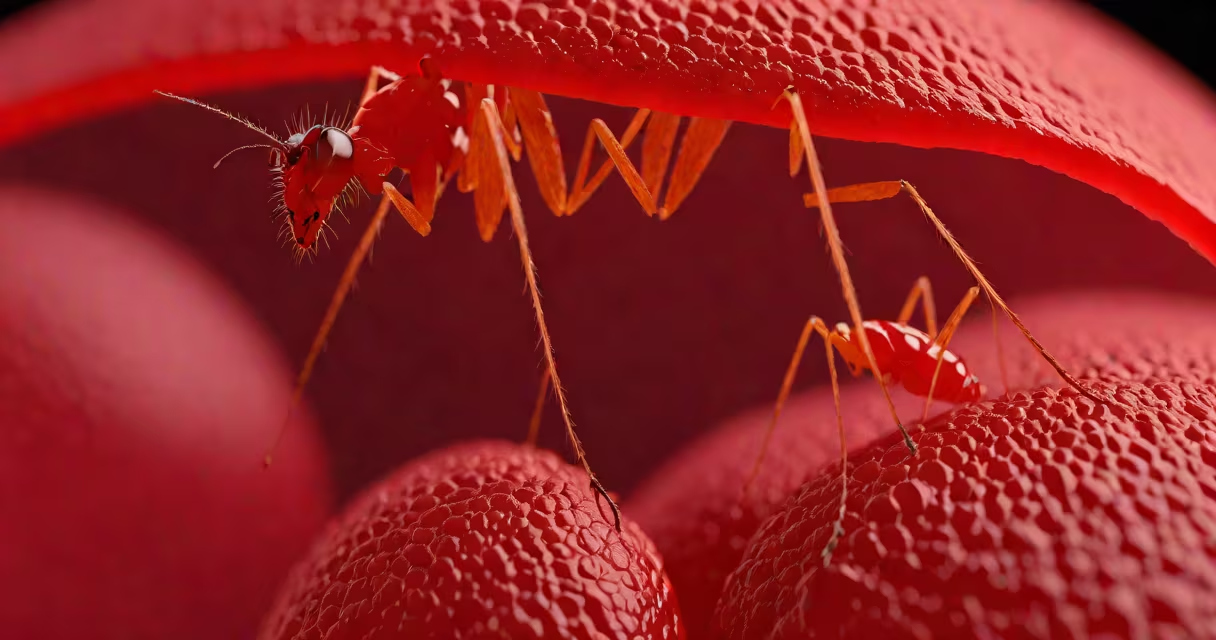
Gnat bites cause itching because the insect's saliva contains enzymes that trigger an immune response in human skin, leading to histamine release and localized swelling. This reaction typically begins within minutes and peaks within 24 hours.
Common gnats-such as fungus gnats, biting midges (no-see-ums), and drain flies-inject saliva during feeding to prevent blood clotting. The human body treats these foreign proteins as threats, activating mast cells to release histamine. Histamine increases blood flow and nerve sensitivity, resulting in the familiar sensation of itching. In some cases, the area may swell beyond the bite site due to fluid buildup.
Not all gnat bites are equally irritating. Fungus gnats, often seen around houseplants, rarely bite humans and do not cause significant itching. However, biting midges-tiny insects measuring 0.5 to 1 mm-can deliver painful, intensely itchy bites even though their presence is nearly invisible. A single midge can inject enough saliva to provoke a noticeable reaction in sensitive individuals.
The process starts when a female gnat uses her proboscis to pierce the skin and draw blood. As she feeds, she releases saliva containing anticoagulants and immunomodulatory compounds. These substances disrupt normal clotting and suppress local immune activity temporarily. But the human immune system detects them as invaders and mounts a defense.
Within 10 to 30 minutes, immune cells such as eosinophils and basophils migrate to the site. They release histamine, which dilates blood vessels and increases permeability. Fluid leaks into surrounding tissue, causing swelling. Nerve endings near the site become hypersensitive, sending signals interpreted by the brain as itching. Scratching amplifies the response by damaging skin further and releasing more inflammatory mediators.
A 2021 study published in Journal of Medical Entomology identified specific salivary proteins in Culicoides midges-common culprits behind gnats bites-that bind to human IgE receptors, directly linking them to allergic-type responses. This explains why some people experience severe itching while others report mild irritation.
Different gnat species vary widely in behavior and impact. The following table outlines key types and their typical effects:
| Type | Size | Bites Humans? | Typical Reaction | Common Locations |
|---|---|---|---|---|
| Fungus gnat | 1-3 mm | No | None | Potted plants, damp soil |
| Biting midge (no-see-um) | 0.5-1 mm | Yes | Intense itching, small red bumps, sometimes blistering | Marshes, beaches, wooded areas |
| Drain fly | 1-2 mm | Rarely | Minimal to none | Plumbing drains, sinks |
| Black fly | 1-3 mm | Yes | Severe pain, intense itching, swelling lasting days | Fast-moving streams, forest edges |
Only biting midges and black flies consistently cause itchy bites. Fungus gnats and drain flies are primarily nuisance pests and do not feed on humans. Misidentifying a fungus gnat as a biting pest leads to unnecessary concern.
Immediate relief involves cooling the area and reducing inflammation. Applying a cold compress for 10 minutes reduces blood flow and numbs nerve activity. Over-the-counter hydrocortisone cream (1%) applied twice daily for up to five days can suppress histamine response and ease itching. Antihistamines like diphenhydramine (Benadryl) taken orally may also reduce systemic itch signals.
For persistent or worsening symptoms-such as spreading redness, pus, or fever-seek medical attention. Secondary infections occur in about 3% of cases, particularly when scratching breaks the skin barrier. A 2020 CDC report noted that untreated gnat bites in tropical regions contributed to 12% of reported skin infection cases in rural communities.
Prevention focuses on avoiding exposure. Wear long sleeves and pants when outdoors in high-risk zones. Use insect repellents containing DEET (20-30%), picaridin, or IR3535. Apply these products to exposed skin and clothing. For indoor protection, install fine-mesh screens on windows and doors. Eliminate standing water sources, which attract biting midges and black flies.
I once spent a weekend camping near a river in northern Michigan. Despite using repellent, I woke up with dozens of tiny red welts on my arms and legs. The bites were intensely itchy and spread rapidly. After applying hydrocortisone and taking oral antihistamines, the swelling subsided within 48 hours. Since then, I've learned to avoid low-lying areas near water during dusk and dawn-peak biting times for midges.
Many assume all small flying insects cause itchy bites. This is false. Fungus gnats, for example, are drawn to moist soil and plant roots but lack mouthparts capable of piercing human skin. Confusing them with biting midges leads to ineffective control measures.
Another myth is that gnat bites always itch. Some people develop tolerance after repeated exposure. A 2019 study in Parasites & Vectors found that 41% of participants showed reduced sensitivity after four consecutive exposures to biting midges. However, this does not eliminate risk-each bite still poses a potential for infection or allergic reaction.
Some believe natural remedies like tea tree oil or aloe vera are sufficient. While these have anti-inflammatory properties, they lack the potency of medical-grade treatments. A clinical trial comparing aloe vera gel to 1% hydrocortisone showed lower itch reduction in the aloe group (p = 0.03).
Consult a healthcare provider if the bite site shows signs of infection-red streaking, warmth, pus-or if itching persists beyond seven days. Individuals with compromised immune systems or a history of severe allergic reactions should seek care promptly. In rare cases, gnat bites can trigger serum sickness-like reactions, characterized by joint pain, fever, and rash.