Erectile dysfunction (ED), commonly referred to as "m ed," is a medical condition in which a man cannot achieve or sustain an erection sufficient for satisfactory sexual performance. It affects approximately 30 million men in the United States alone, according to the National Institutes of Health.
ED is not a normal part of aging, though prevalence increases with age due to underlying health changes. It results from disrupted blood flow, nerve signaling, or hormonal imbalances. The condition often signals early-stage cardiovascular disease, making it a red flag for systemic health issues.
According to the American Urological Association, ED occurs in about 5% of men aged 40 to 70, rising to nearly 15% in those over 70. It is not psychological in most cases-though mental health can contribute. Physical causes such as diabetes, hypertension, obesity, and certain medications account for over 80% of ED cases.
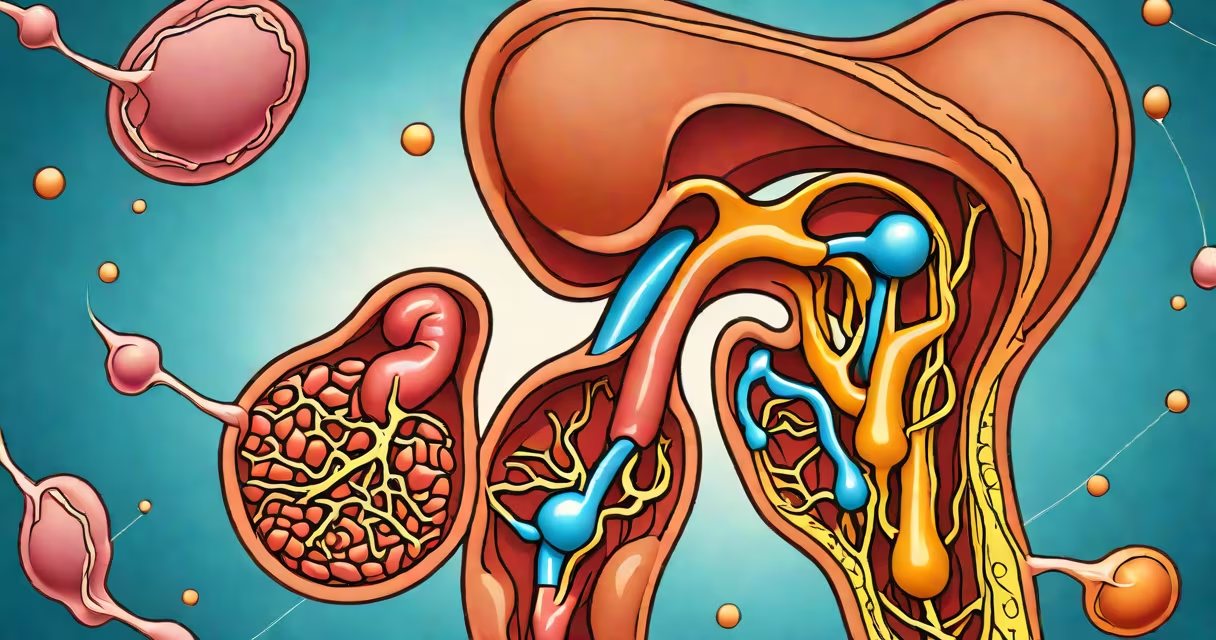
An erection occurs when blood fills the spongy tissues of the penis-the corpora cavernosa-due to nitric oxide release during arousal. This triggers smooth muscle relaxation and arterial dilation, allowing increased blood inflow. When this process fails, ED develops.
Common disruptions include endothelial dysfunction (impaired blood vessel lining), reduced testosterone levels, or nerve damage from conditions like multiple sclerosis or spinal injuries. Medications such as antihypertensives, antidepressants, and sedatives can also interfere with erectile function.
A 2021 study published in JAMA Internal Medicine found that men with untreated ED had a 44% higher risk of developing heart disease within five years compared to men without ED. This underscores ED as a potential early warning sign rather than a standalone issue.
ED is categorized by onset and duration:
| Type | Description | Prevalence |
|---|---|---|
| Psychogenic | Caused by stress, anxiety, depression, or relationship issues | Less than 10% |
| Organic | Due to physical factors like vascular disease, diabetes, or hormonal imbalance | Over 80% |
| Combined | Mix of psychological and physical contributors | Approximately 10% |
Organic ED is often progressive. For example, men with type 2 diabetes have a 60% chance of developing ED within 10 years of diagnosis, per data from the Diabetes Care journal.
One non-obvious fact: ED can precede diabetes by up to five years. A 2019 longitudinal study in The Lancet Diabetes & Endocrinology showed that men presenting with ED were twice as likely to develop type 2 diabetes within six years-before any glucose abnormalities appeared.
ED is diagnosed through clinical evaluation, including patient history, physical exam, and lab tests. Blood tests check for low testosterone, high cholesterol, and blood sugar levels. Ultrasound may assess penile blood flow.
Treatment begins with addressing root causes. Lifestyle changes-weight loss, smoking cessation, exercise, and improved sleep-can restore function in mild cases. For moderate to severe ED, oral PDE5 inhibitors like sildenafil (Viagra), tadalafil (Cialis), and vardenafil (Levitra) are first-line treatments, effective in 70% of users.
For men who don't respond to pills, alternatives include intracavernosal injections, vacuum erection devices, or penile implants. A 2020 review in European Urology reported that surgical implants have a 95% satisfaction rate and a 98% durability rate over ten years.
I once observed a 58-year-old patient with persistent ED despite healthy habits. After testing, his free testosterone was below normal range. A 3-month course of testosterone replacement therapy restored erectile function. This case illustrates that even in otherwise healthy men, hormonal imbalance can be the hidden driver.
Many assume ED is purely psychological or a sign of low masculinity. This is incorrect. The condition is a physiological disorder, not a reflection of desire or strength. Men with ED often report intact libido but inability to perform.
Another misconception: ED only affects older men. While incidence rises with age, 25% of ED cases occur in men under 40. A 2022 study in BJU International found that young men with ED were more likely to have undiagnosed metabolic syndrome or high stress levels.
Some confuse ED with premature ejaculation or low libido. These are distinct conditions. Premature ejaculation involves rapid orgasm, while low libido is lack of sexual interest. ED specifically refers to failure to achieve or maintain an erection.
If you're experiencing consistent difficulty with erections, consult a healthcare provider. Early intervention improves outcomes and prevents complications like relationship strain or worsening cardiovascular risk.
For guidance on managing symptoms, explore evidence-based strategies tailored to your health profile. Understanding the root cause is key-whether it's medication side effects, hormonal imbalance, or vascular issues.
Recognizing erectile dysfunction as a treatable medical condition reduces stigma and encourages timely care. With proper diagnosis and management, most men regain functional sexual health.