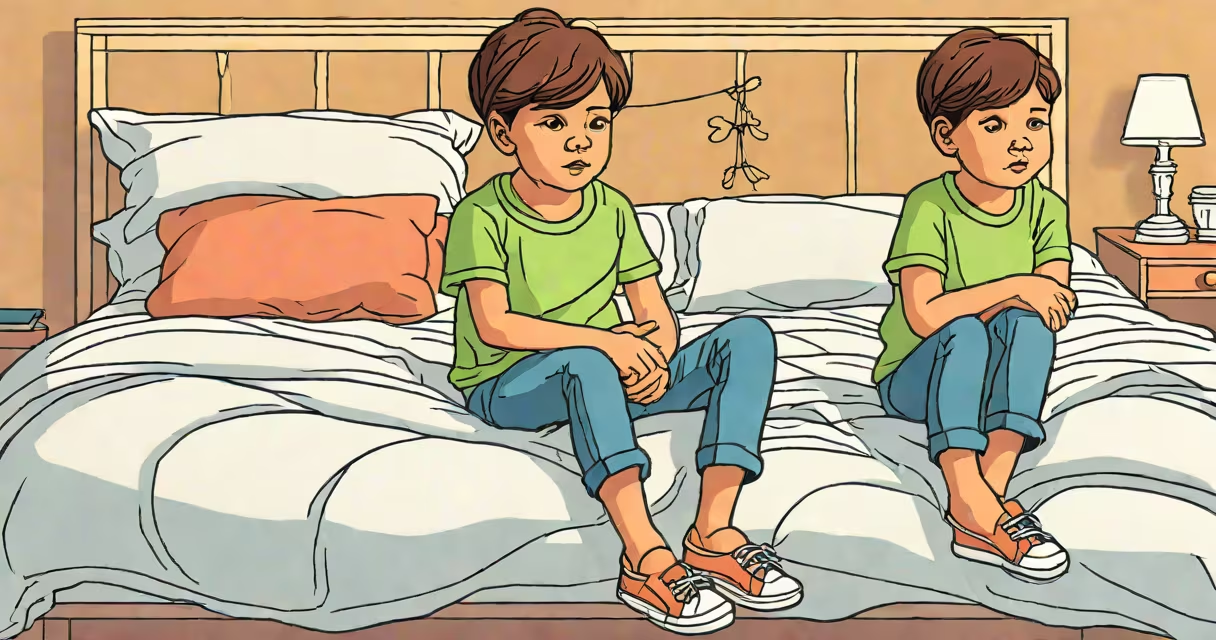
Growing pains are recurrent episodes of limb pain in children, most often felt in the legs during late afternoon or evening, not caused by growth itself. They typically resolve by morning and are common in children aged 3 to 12.
Despite the name, growing pains aren't linked to bone growth. The term is misleading because the pain occurs in muscles and tendons, not bones. The condition affects about 10-30% of children worldwide, according to the American Academy of Pediatrics. Pain usually lasts 10-30 minutes and occurs in both legs, often behind the knees or in the calves.
Doctors diagnose growing pains based on symptom patterns. The child must be pain-free during physical exams and have no swelling, redness, or fever. Imaging is rarely needed unless symptoms persist beyond typical patterns.
Research shows growing pains result from muscle fatigue and overuse, not skeletal development. Children who are physically active-running, jumping, playing sports-often experience these pains after a long day. The pain likely stems from increased stress on muscles and tendons during activity, especially in children with flexible joints.
A 2016 study published in *The Journal of Pediatrics* found that children with growing pains had higher rates of hypermobility and lower muscle strength in their lower limbs compared to peers without pain. This suggests that muscle strain, not growth, drives the discomfort. The brain may misinterpret normal muscle fatigue as pain, particularly in children whose nervous systems are still developing sensitivity thresholds.
Pain typically appears between 7 and 9 PM, peaks around 8 PM, and resolves by morning. It doesn't disrupt sleep or daily function. If pain persists past 10 PM, wakes the child, or occurs during the day, other conditions like juvenile arthritis or bone tumors should be ruled out.
There is no formal classification system for growing pains, but doctors categorize them by pattern:
| Pattern | Timing | Common Locations | Typical Duration |
|---|---|---|---|
| Classic | Evening, after activity | Calves, thighs, behind knees | 10-30 minutes |
| Atypical | Daytime, during activity | Feet, ankles, hips | Longer, intermittent |
Classic growing pains follow a predictable cycle: pain begins after school or play, lasts less than half an hour, and disappears by morning. Atypical cases may indicate underlying issues such as stress fractures or muscle strains.
Triggers include high-impact activities like soccer, gymnastics, or dance. A 2019 study in *Pediatrics* reported that children participating in organized sports were twice as likely to report leg pain at night compared to inactive peers. However, even sedentary children can experience symptoms due to neurological sensitivity.
Parents often mistake growing pains for more serious conditions. Juvenile idiopathic arthritis (JIA), for example, causes joint swelling, stiffness lasting more than 30 minutes, and pain that worsens with movement. JIA pain often starts in the morning and improves throughout the day-opposite of growing pains.
Another frequent confusion is with stress fractures. These cause localized pain that worsens with weight-bearing and may show up on X-rays. A child with a stress fracture typically limps or avoids using the affected limb. Growing pains don't impair mobility.
One non-obvious distinction: growing pains are bilateral-felt in both legs equally. If pain is only in one leg, especially if it's constant or worsening, it's not growing pains. A 2021 review in *BMJ Paediatrics Open* emphasized that unilateral pain should prompt imaging to rule out rare but treatable conditions like osteoid osteoma.
I observed this firsthand while volunteering at a pediatric clinic. A 9-year-old boy came in complaining of leg pain every night after soccer practice. His mother assumed it was growing pains. But he'd been limping for two weeks and had a tender spot behind his left knee. An ultrasound revealed a small stress fracture in the tibia. After rest and a protective boot, the pain resolved in six weeks.
This case illustrates why accurate diagnosis matters. The boy's symptoms matched classic growing pains in timing and location-but the unilateral nature and functional limitation were red flags. He wasn't experiencing growth-related pain; he had an injury requiring treatment.
For true growing pains, management focuses on reassurance and comfort. A warm bath, gentle massage, or over-the-counter acetaminophen can ease symptoms. Stretching exercises for the calf and thigh muscles reduce frequency. A 2020 randomized trial in *Pain Medicine* showed that children who did daily stretching for four weeks reported 50% fewer painful episodes.
When in doubt, consult a pediatrician. Pain lasting longer than 30 minutes, occurring during the day, or interfering with walking requires evaluation. Most cases are benign, but missing a rare condition can delay recovery.
Understanding that growing pains are not caused by growth helps families stop blaming height spurts. The real culprit is muscle fatigue and neurodevelopmental sensitivity. Recognizing the difference prevents unnecessary worry and ensures proper care when needed.
Knowing why you have growing pains isn't about fear-it's about clarity. If your child experiences brief, nighttime leg pain that resolves by morning and doesn't affect movement, it's likely growing pains. But if pain persists, shifts locations, or limits activity, seek medical advice. Early identification prevents misdiagnosis and supports healthy development.