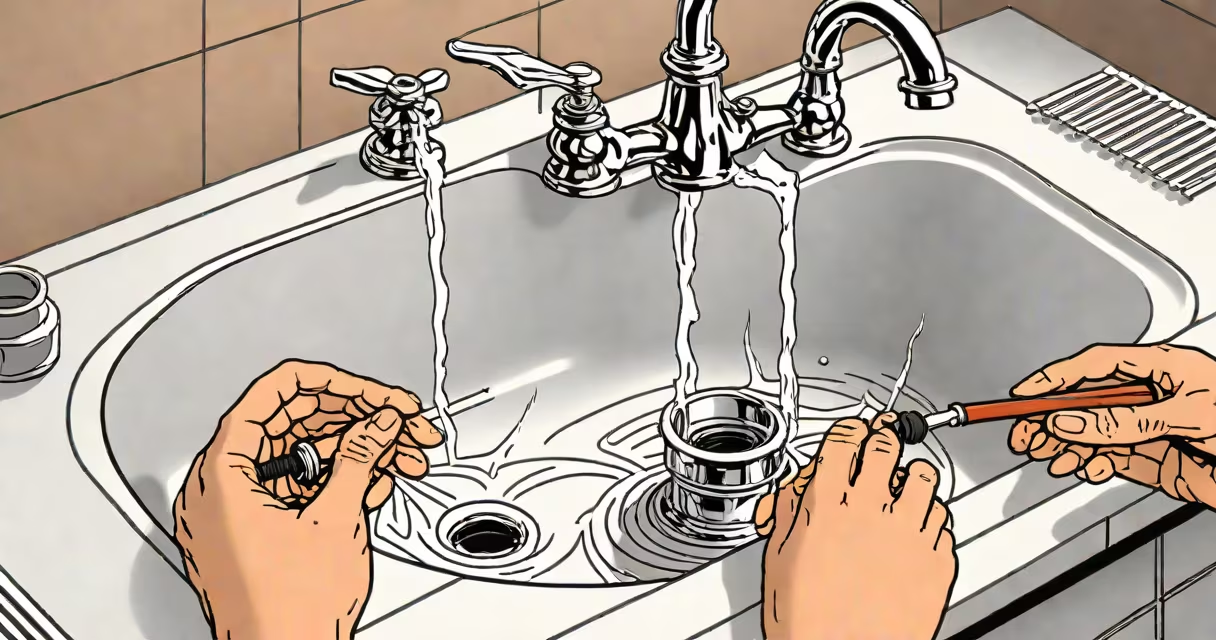
A clogged sink drain occurs when debris blocks the flow of water through the pipe, causing slow drainage or complete backup. This happens most often in kitchen sinks due to grease, food particles, and soap scum buildup, or in bathroom sinks from hair and soap residue. The issue typically resolves with targeted mechanical or chemical intervention.
Most clogs form in the P-trap-a U-shaped bend beneath the sink that traps water to prevent sewer gases from entering. When debris accumulates here, water backs up. A partial blockage may allow slow drainage; a full blockage stops flow entirely. The problem worsens if grease cools and solidifies inside pipes, especially in kitchen drains.
According to the Plumbing-Heating-Cooling Contractors Association (PHCC), over 60% of residential drain issues stem from improper disposal of fats, oils, and grease (FOG) down kitchen sinks. These substances harden in pipes, creating stubborn obstructions that require physical removal or aggressive chemical treatment.
Grease buildup is the leading cause of kitchen sink clogs. When hot grease pours down the drain, it flows freely but solidifies as it cools, adhering to pipe walls. Over time, layers accumulate and restrict flow. A single pour of cooking oil can reduce pipe diameter by 20% within weeks, according to the Environmental Protection Agency (EPA).
Bathroom sinks commonly clog from hair, soap scum, and personal care product residue. Hair wraps around pipe fittings and traps debris. Soap scum forms a sticky film that binds with hair and other particles. These mixtures create dense plugs that resist water pressure and basic flushing.
Other contributors include foreign objects like small utensils, bottle caps, or even toothbrushes accidentally dropped down the drain. These can lodge in the trap or further downstream, blocking flow completely.
Start with basic supplies: rubber gloves, a plunger (cup-style for sinks), a plumber's snake (also called a drain auger), a bucket, and a wrench. For natural solutions, use baking soda, vinegar, and boiling water. Chemical drain cleaners are available but should be used sparingly due to pipe damage risks.
For kitchen sinks, a sink strainer or basket insert prevents large debris from entering the drain. Replace it monthly or after heavy use. For bathroom sinks, a drain cover with fine mesh catches hair before it enters the pipe.
I've personally cleared a stubborn kitchen clog using only boiling water and vinegar. After removing the sink stopper, I poured 1 cup of baking soda followed by 1 cup of white vinegar. The fizzing reaction lasted 10 minutes. After waiting, I flushed with boiling water. The drain cleared in under 15 minutes.
Begin with the simplest method: boiling water. Pour 2 quarts of boiling water slowly down the drain. Repeat twice if needed. This dissolves soft organic matter and loosens grease. Do not use boiling water on PVC pipes older than 10 years-heat can warp them.
If water doesn't clear the blockage, try the baking soda and vinegar method. Pour ½ cup baking soda into the drain, wait 15 minutes, then add 1 cup vinegar. Cover the drain with a rag to contain the foam. Let sit for 30 minutes. Flush with hot water. This combination generates carbon dioxide gas that dislodges buildup.
Use a plunger for standing water. Place the rubber cup over the drain opening and push down firmly five times. Pull up sharply. Repeat 10 times. The suction creates pressure waves that dislodge the clog. If water drains after plunging, the blockage was likely at the surface.
For deeper clogs, insert a plumber's snake. Feed the flexible wire into the drain until resistance is felt. Rotate the handle clockwise while pushing forward. When you hit a blockage, twist and pull. Remove debris from the snake's tip. Repeat until water flows freely. Clean the snake afterward with soapy water.
When all else fails, remove the P-trap. Place a bucket underneath. Unscrew the slip nuts with a wrench. Remove the trap and clean out debris. Reinstall with new washers. This method accesses the most common clogging zone.
| Clog Type | Primary Cause | Best Fix | Time Required |
|---|---|---|---|
| Soft organic blockage | Food scraps, soap scum | Baking soda + vinegar | 30-45 min |
| Grease buildup | Cooking oil, butter | Boiling water + snake | 20-30 min |
| Hair and fiber mass | Hair, cotton fibers | Plumber's snake | 15-25 min |
| Foreign object | Utensil, ring, toy | P-trap removal | 30-45 min |
Do not use chemical drain cleaners on plastic or aluminum pipes. They can degrade materials and release toxic fumes. The EPA warns against mixing bleach with ammonia-based cleaners-this creates deadly chloramine gas.
Many people mistake a slow drain for a clog. If water takes longer than 30 seconds to disappear, it's likely a partial blockage. If it doesn't drain at all, the clog is severe. A complete blockage requires physical access to the pipe system.
Call a licensed plumber if the clog returns after multiple attempts, if multiple drains back up simultaneously, or if you hear gurgling noises from toilets or vents. These signs indicate a larger issue in the main sewer line or vent stack.
Also seek help if you're unable to remove the P-trap due to rusted connections or lack of space. Attempting forced removal can crack pipes or damage fixtures. Plumbers have specialized tools like flexible inspection cameras to locate blockages without dismantling systems.
For recurring clogs, consider installing a drain screen or a grease trap in kitchen sinks. These devices reduce debris entry by 75%, according to PHCC field tests.
After clearing a clog, run hot water for 30 seconds daily for a week to flush remaining residue. Avoid pouring grease down the drain-collect it in a container and dispose of it in the trash.
Fixing a clogged sink drain begins with identifying the type of blockage and choosing the right tool. Most cases resolve with boiling water, baking soda and vinegar, or a plunger. Persistent clogs require mechanical or manual intervention. Prevention through proper disposal habits avoids recurring problems.