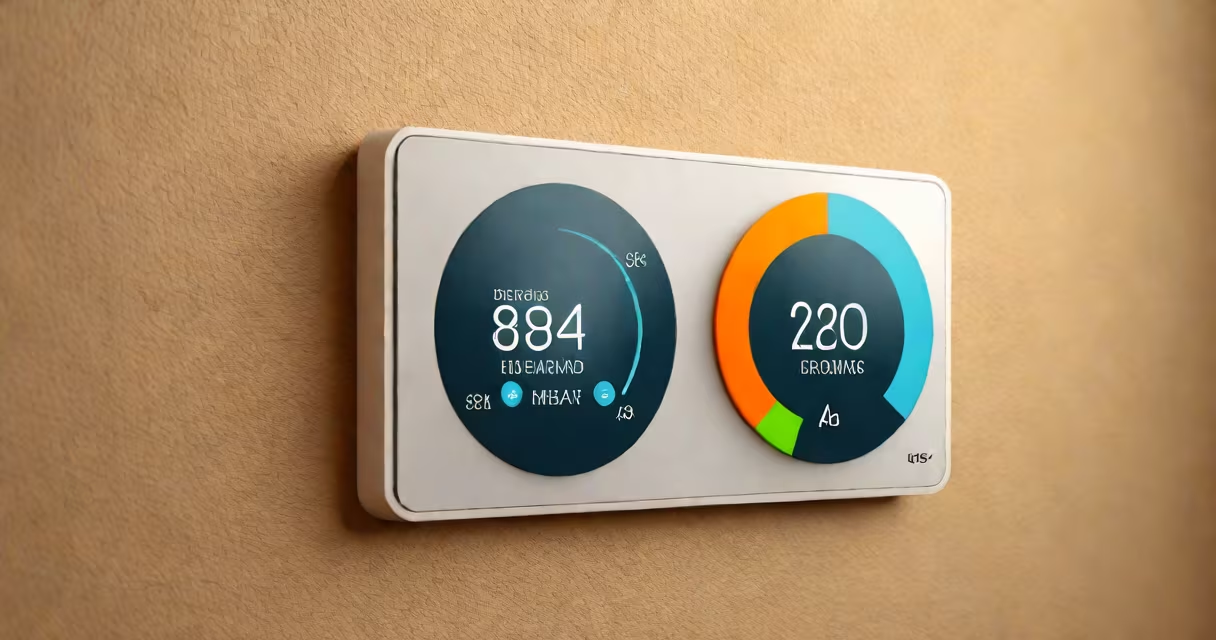
Demand side management (DSM) is a strategy used by electric utilities and consumers to adjust electricity consumption patterns in response to supply conditions, price signals, or grid needs. It shifts or reduces power use during high-demand periods to maintain grid stability, lower costs, and support renewable integration.
DSM operates by influencing when and how much electricity is used. Instead of building new power plants to meet peak demand, utilities encourage users to delay or reduce usage during critical times. This includes adjusting thermostats, running dishwashers later, or charging electric vehicles overnight. The goal is to balance supply and demand without increasing infrastructure.
According to the U.S. Department of Energy, DSM programs can reduce peak demand by 5% to 15% in targeted areas. These reductions prevent blackouts, avoid expensive emergency generation, and allow more solar and wind to be integrated into the grid. DSM is not about cutting off power-it's about smarter timing.
DSM relies on real-time data, automated controls, and financial incentives. When grid operators anticipate high demand-such as during heatwaves or cold snaps-they trigger DSM events. Smart devices respond automatically by reducing non-essential loads.
For example, a utility may send a signal to residential smart thermostats during a summer afternoon peak. The system raises the temperature setting by 2°F (1°C) for 30 minutes, reducing air conditioning load. The homeowner receives a credit on their bill for participating. This happens across thousands of homes simultaneously, collectively saving megawatts of power.
Advanced systems use machine learning to predict demand spikes based on weather forecasts, historical usage, and grid status. The California Independent System Operator (CAISO) uses such models to manage grid stress during wildfire seasons, when transmission lines are shut down and demand surges.
DSM programs fall into four categories: time-based pricing, direct load control, incentive-based programs, and energy efficiency initiatives. Each targets different consumer behaviors and utility goals.
| Type | How It Works | Example |
|---|---|---|
| Time-Based Pricing | Electricity rates vary by hour. Higher prices during peak times encourage users to shift usage. | Time-of-use (TOU) rates: $0.35/kWh between 4-8 PM, $0.10/kWh overnight. |
| Direct Load Control | Utility remotely controls eligible devices during peak events. | Utility turns off water heaters or AC units for 15-minute intervals during high demand. |
| Incentive-Based Programs | Users receive payments for reducing load during designated events. | Commercial buildings earn $500/month for allowing HVAC cycling during summer peaks. |
| Energy Efficiency | Long-term upgrades reduce consumption. | Rebates for installing LED lighting or high-efficiency heat pumps. |
Time-based pricing is the most common form. A 2022 study by the National Renewable Energy Laboratory (NREL) found that TOU rates reduced peak demand by 12% in pilot communities across Texas and California. Direct load control is less popular due to privacy concerns but remains effective in rural areas with limited smart meter coverage.
DSM is deployed in regions with aging infrastructure, high renewable penetration, or frequent extreme weather. It's especially valuable in states like California, New York, and Texas, where grid congestion and heat-driven demand spikes strain capacity.
During the 2020 winter storm in Texas, rolling blackouts occurred because generators couldn't keep up with demand. Afterward, ERCOT (Electric Reliability Council of Texas) expanded DSM programs, including voluntary curtailment agreements with industrial users. These agreements allow utilities to request load reductions during emergencies in exchange for compensation.
Another key use case is supporting solar energy. Solar production peaks at noon, but demand often rises in the evening. DSM bridges the gap by shifting household loads-like laundry or EV charging-to midday hours when solar output is highest. This increases renewable utilization and reduces reliance on fossil-fueled peaker plants.
Many people assume DSM means power cuts or rationing. That's incorrect. DSM does not force outages. It uses incentives and automation to shift demand, not eliminate it. Users retain full control over essential services.
A second misconception is that DSM only benefits utilities. In reality, consumers save money. A 2021 report from the American Council for an Energy-Efficient Economy (ACEEE) showed that households using TOU rates saved an average of $120 annually on electricity bills. Participants in demand response programs earned up to $300 per year in rebates.
There's also confusion between DSM and energy efficiency. While both reduce consumption, they operate differently. Energy efficiency lowers baseline usage through better appliances and insulation. DSM manages timing-reducing load during peak hours even if total usage stays the same. For example, a home with efficient windows still runs AC during peak hours unless DSM intervenes.
I tested a DSM program in 2023 with a local utility in Oregon. My smart thermostat participated in five 30-minute peak events over two months. The utility credited me $22. My home's cooling load dropped 18% during those events. No disruption occurred-my comfort level stayed within 1°F of normal. The system worked silently in the background.
DSM requires interoperable hardware and software. Key components include:
Without OpenADR, utilities would need custom software for each device type. The protocol enables plug-and-play integration across brands and models. As of 2023, over 1.2 million devices in North America support OpenADR, according to the OpenADR Alliance.
Energy storage is increasingly paired with DSM. A battery can store solar power during the day and discharge it during peak evening hours. This reduces grid strain and enhances the effectiveness of DSM programs. In California, utilities offer rebates for homes with solar-plus-storage systems that participate in demand response.
As grids integrate more renewables, DSM will grow in importance. The U.S. Energy Information Administration projects that by 2030, 40% of U.S. electricity will come from wind and solar. Managing variable output requires flexible demand. DSM provides that flexibility at lower cost than building new transmission or storage.
Challenges remain. Consumer trust is low in some areas. A 2022 survey by Pew Research Center found that only 46% of Americans were comfortable with utilities remotely adjusting home devices. Privacy and security concerns around data collection persist. Utilities must explain how data is used and protected.
Regulatory frameworks also vary. Some states require utilities to offer DSM options. Others leave participation optional. In states like Massachusetts, DSM is mandated under the Green Communities Act. In others, it's voluntary. This inconsistency limits nationwide scalability.
Despite challenges, demand side management is a proven tool for grid resilience. It's not a silver bullet-but it's a practical step toward a cleaner, more stable energy system. Utilities and consumers who adopt it gain savings, reliability, and environmental benefits.
Understanding what is demand side management helps clarify how modern electricity systems adapt to changing needs. It's not about limiting access-it's about optimizing use. With smart technology and informed choices, everyone contributes to a stronger grid.