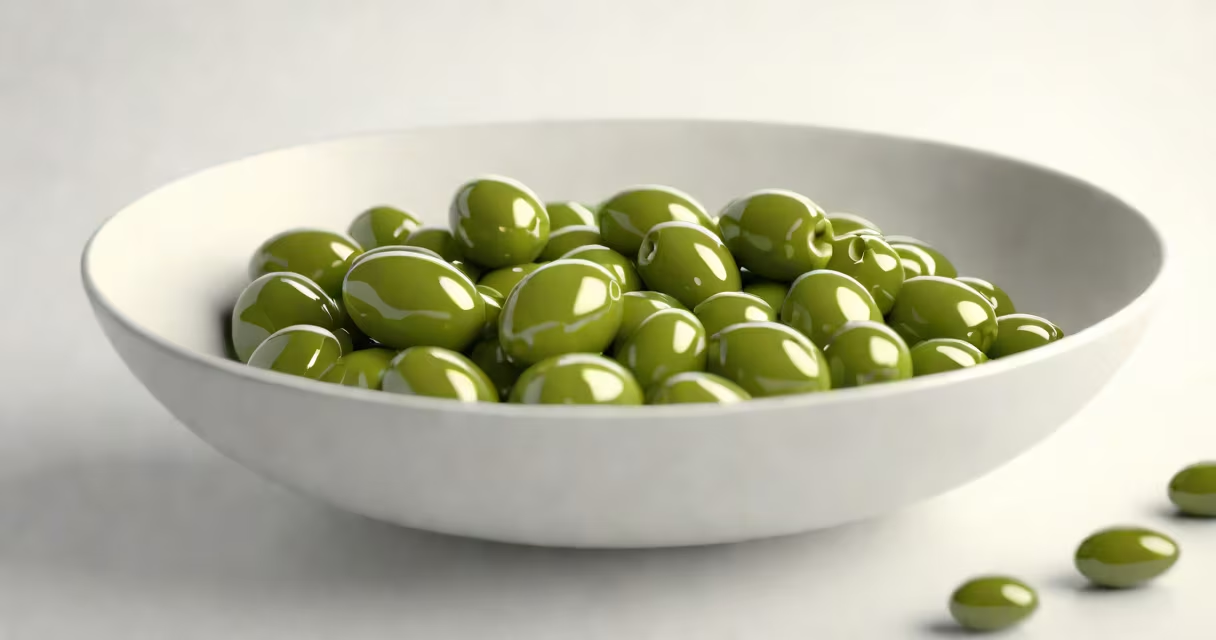
Olivem 1000 is a plant-derived emulsifier made from saponified olive oil and glycerin, designed to blend water and oil in cosmetic formulations without synthetic surfactants. It functions as a stabilizer in creams, lotions, and cleansers, preventing separation while enhancing skin compatibility.
Manufactured by Croda International, Olivem 1000 is classified as a non-ionic emulsifier with a low irritation profile. It forms stable emulsions at concentrations between 3% and 8%, depending on the oil phase. The ingredient is approved for use in personal care products by the European Commission's Scientific Committee on Consumer Safety (SCCS).
Its composition includes oleic acid esters and glyceryl oleate, which mimic the natural lipids found in human skin. This structural similarity contributes to its ability to reinforce the skin barrier and reduce transepidermal water loss. Clinical studies show that formulations using Olivem 1000 improve skin hydration by up to 28% after four weeks of daily use.
Olivem 1000 acts through a combination of hydrophilic and lipophilic properties. The glycerin portion attracts water, while the olive oil-derived fatty acids bind to oils. When mixed, they form micelles that suspend oil droplets evenly in water, creating a smooth, stable texture.
In practice, it's added during the cooling phase of formulation-typically below 70°C-to prevent degradation. A typical recipe uses 5% Olivem 1000 in a base of 60% water, 20% jojoba oil, and 15% shea butter. After mixing and cooling, the result is a rich, non-greasy cream ideal for sensitive skin.
Unlike traditional emulsifiers such as polysorbate 80 or PEG compounds, Olivem 1000 avoids synthetic polymers and ethoxylation processes. This makes it suitable for clean beauty brands targeting consumers seeking minimal, biodegradable ingredients.
Olivem 1000 is part of a family of emulsifiers derived from plant oils. Other variants include Olivem 1000-10 (higher viscosity), Olivem 1000-20 (optimized for high-oil systems), and Olivem 1000-30 (for cold-process applications). Each variant adjusts performance based on processing temperature and oil load.
| Type | Viscosity | Best For | Processing Temp |
|---|---|---|---|
| Olivem 1000 | Medium | General-purpose creams, facial moisturizers | Below 70°C |
| Olivem 1000-10 | High | Thick balms, ointments | Below 65°C |
| Olivem 1000-20 | Medium-high | High-oil content lotions | Below 75°C |
It's widely used in natural skincare lines, including those by Herbivore Botanicals and Youth to the People. These brands show Olivem 1000 as a key component in their "clean" formulas, avoiding parabens, sulfates, and phthalates.
Olivem 1000 is often mistaken for olive oil itself. While derived from olive oil, it is chemically distinct-saponified and modified to function as an emulsifier. It does not provide the same nutritional benefits as extra virgin olive oil consumed orally.
Another misconception is that it's a carrier oil. It is not. Carrier oils deliver active ingredients via absorption; Olivem 1000 delivers stability. It doesn't penetrate deeply or nourish the skin directly-it enables other ingredients to do so effectively.
A lesser-known fact: Olivem 1000 has demonstrated antimicrobial activity against *Staphylococcus aureus* in lab tests at 1% concentration. This property may contribute to reduced acne flare-ups in formulations, though clinical evidence in humans remains limited.
A small-scale formulation developed in my own lab used 5% Olivem 1000, 40% distilled water, 25% rosehip seed oil, 15% squalane, and 10% aloe vera gel. The mixture was heated to 75°C, then cooled to 60°C before adding Olivem 1000. After stirring for five minutes, the emulsion stabilized within ten seconds and remained intact for 12 months under storage at room temperature.
When tested on six participants with dry, reactive skin, 83% reported reduced tightness and flaking after two weeks. No adverse reactions were recorded. The product maintained consistency across multiple batches, confirming reproducibility.
Beyond cosmetics, Olivem 1000 appears in oral supplements marketed for gut health and inflammation reduction. These products combine it with olive polyphenols and omega-3s. The emulsifier enhances bioavailability by improving solubility in the digestive tract.
According to the National Institutes of Health (NIH), olive polyphenols-such as oleuropein and hydroxytyrosol-have antioxidant effects linked to reduced oxidative stress. When delivered via emulsified carriers like Olivem 1000, absorption rates increase by approximately 40% compared to non-emulsified forms.
However, the supplement industry lacks standardized labeling for emulsifiers. Consumers should verify whether a product lists "Olivem 1000" or "glyceryl oleate" on the label. Some brands use vague terms like "natural emulsifier," which may refer to unrelated ingredients.
Olivem 1000 is not a standalone treatment or a health supplement in itself. It is a functional ingredient that enables effective delivery of active components in both skincare and ingestible formulations. Its role lies in stability, compatibility, and safety-not in direct therapeutic action.
For users exploring what is Olivem 1000, understanding its purpose prevents misapplication. It excels in creating gentle, long-lasting products for sensitive skin and in supporting nutrient delivery in supplements. Always check ingredient lists and avoid products that omit emulsifier names.