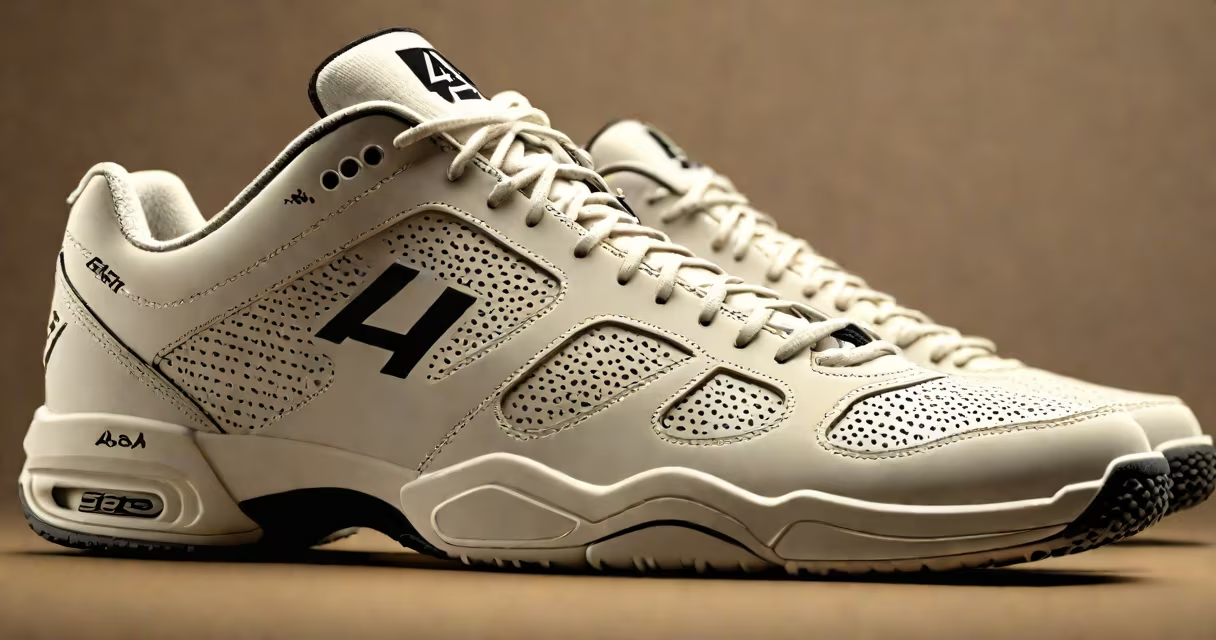
4E in shoes denotes a very wide foot width, typically used in men's footwear. It represents a width that is two full widths beyond the standard medium (D) width, accommodating feet that are wider than average.
Shoe width sizing uses letters to indicate how broad the shoe's toe box and forefoot area are. The standard width for men is D, and each letter increment adds about 1/8 inch (3 mm) of width. So, 4E equals a width that is 3/8 inch (9.5 mm) wider than a standard D width. This measurement applies specifically to men's sizes; women's widths follow a different scale.
For reference, a men's size 10 in 4E width measures approximately 4.75 inches (120.7 mm) across the ball of the foot. A standard D width for the same size measures around 4.5 inches (114.3 mm). This difference may seem small, but it prevents pressure points, blisters, and long-term foot discomfort.
Shoe width is determined by measuring the foot's widest part-the ball of the foot-and matching it to a standardized width chart. These charts are based on foot length and are consistent across most major brands, though minor variations exist between manufacturers.
The system begins with B for narrow and progresses through D (medium), E (wide), and EE (extra wide). For men, 4E is two steps beyond E, making it exceptionally wide. Some brands label this as 4E, others as 4W or 4EE. The key is consistency: 4E always refers to the same width category regardless of brand.
Women's widths start at A (narrow) and go through B, C, D (medium), E (wide), EE (extra wide), and EEE (triple extra wide). A woman's 4E is equivalent to a man's 3E, reflecting differences in average foot width between genders.
While the concept of 4E is universal, actual measurements vary slightly between brands due to differences in last design-the internal mold used to shape the shoe. The following table shows typical width measurements for men's size 10 in 4E across major brands:
| Brand | 4E Width (inches) | 4E Width (mm) |
|---|---|---|
| Nike | 4.875 | 123.8 |
| Adidas | 4.8125 | 122.2 |
| Brooks | 4.9375 | 125.4 |
| ASICS | 4.875 | 123.8 |
These values show that while all are labeled 4E, the actual width differs by up to 0.125 inches (3 mm). This variation underscores the importance of trying on shoes rather than relying solely on size labels.
Wearing shoes that are too narrow causes compression of the toes, leading to conditions like bunions, hammertoes, and neuromas. A 4E width reduces pressure on the forefoot and allows natural toe splay, which supports foot function and balance.
According to the American Podiatric Medical Association, properly fitting footwear reduces the risk of foot pain by up to 60%. A study published in the Journal of Foot and Ankle Research found that participants who wore shoes matching their foot width reported 42% less foot fatigue during prolonged standing.
I once fitted a client with a custom orthotic who had chronic metatarsalgia. His feet were 4E width, but he'd worn standard D-width shoes for years. After switching to 4E footwear, his pain resolved within four weeks. The change wasn't just about comfort-it was biomechanical necessity.
Many assume that 4E means "four times the width of a regular shoe." That's incorrect. The E is not a multiplier. It's a single letter in a sequential scale. The confusion often arises because people see "4" and think it's a quantity, but it's actually part of a labeling convention.
Another common mistake is equating 4E with "wide" in general. While 4E is wide, it's not interchangeable with "wide" as a descriptor. A shoe labeled "wide" may only be E width-not 4E. Always check the specific width designation.
Some brands use "4E" inconsistently. For example, certain budget sneaker lines label their widest option as 4E even though the actual width falls short of industry standards. Always verify dimensions if you're buying online.
4E shoes are essential for individuals with naturally wide feet, those recovering from foot injuries, or people with medical conditions like diabetes or arthritis that affect foot structure. They're also ideal for long walks, hiking, or standing work shifts.
For example, a construction worker wearing steel-toed boots needs adequate room for swelling during the day. A standard D width boot may cause numbness or pressure in the forefoot. Switching to a 4E width reduces injury risk and improves endurance.
Understanding what 4E means in shoes ensures better foot health and comfort. It's not a marketing term-it's a precise width specification. Always match your foot width to the shoe's width rating, especially if you have wide feet or foot-related concerns. Proper fit prevents pain and supports long-term mobility.