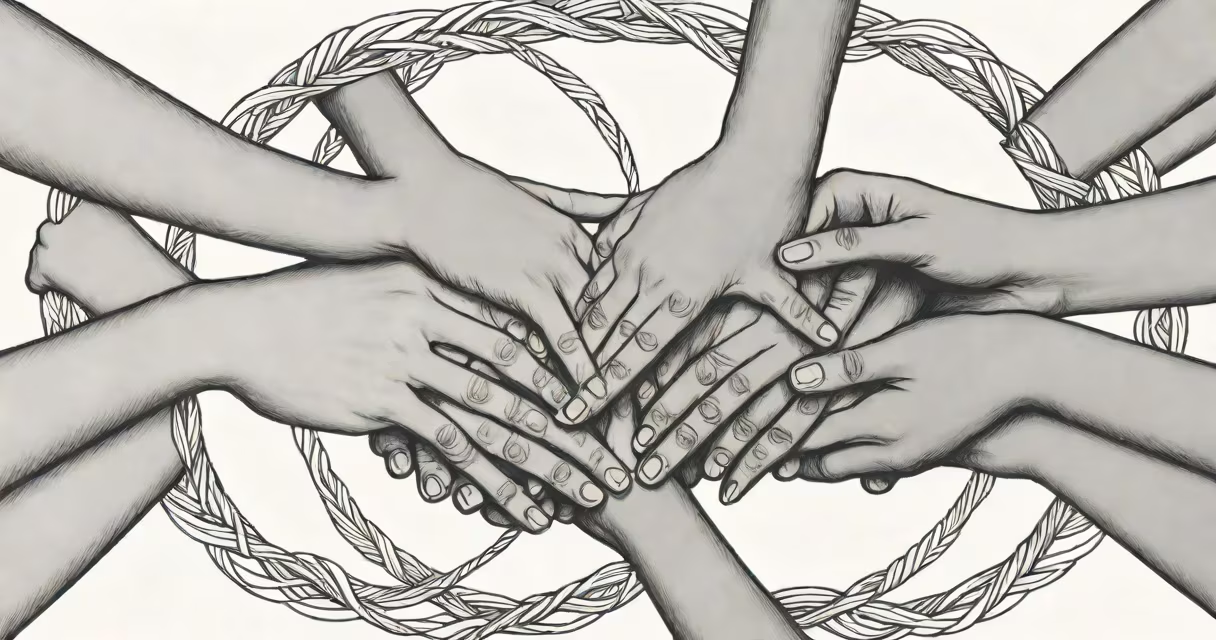
Polyamorous describes a relationship orientation where individuals engage in consensual, emotionally intimate connections with more than one partner simultaneously, with full knowledge and agreement from all involved. This is not about casual sex or emotional avoidance-it's about building authentic, transparent bonds rooted in honesty and mutual respect.
The term comes from Greek "poly" (many) and Latin "amor" (love). It's not a lifestyle choice made overnight but often a deeply held identity shaped by personal values, communication skills, and emotional maturity. Unlike monogamy-which assumes exclusive romantic commitment-polyamory allows for multiple loving relationships at once, provided they're ethical and consensual.
According to the American Psychological Association, polyamory is recognized as a valid form of relationship structure when practiced with integrity. It requires ongoing negotiation, emotional labor, and clear boundaries. It's not inherently unstable-research published in the Journal of Sex Research shows that polyamorous individuals report high levels of relationship satisfaction and trust when communication is consistent.
At its core, polyamory functions through consent, transparency, and emotional accountability. Partners agree on rules such as disclosure of new relationships, frequency of check-ins, and handling jealousy. These agreements aren't rigid-they evolve as relationships grow.
A common model is the "open triad," where three people are romantically involved with each other. For example, Alex is in love with Taylor and Jamie. Taylor and Jamie are also in love with each other. All three meet regularly, share responsibilities, and discuss emotional needs openly. No one hides feelings or partners. This structure relies on continuous dialogue, not assumption.
Another model is the "village" or "network" structure, where one person maintains multiple romantic relationships, often with varying levels of intimacy. One person may have a primary partner for cohabitation and shared finances, while maintaining secondary relationships focused on emotional support or shared interests. These arrangements require careful time management and emotional energy allocation.
There's no single template. People build structures based on their needs, values, and capacity for connection. The following table outlines common configurations:
| Type | Description | Example |
|---|---|---|
| Triad | Three people in a mutually romantic relationship | Two partners form a couple; a third joins with full consent and equal status |
| Quadrilateral | Four people in a connected romantic network | Two couples who date each other and share social events |
| Network | One central person connected to multiple partners | Person A dates B, C, and D-but B, C, and D don't necessarily interact |
| Parallel | Multiple relationships run independently | Person A is in a committed relationship with B and another with C, with no overlap in contact |
Some people use the term "ethical non-monogamy" as an umbrella term that includes polyamory, swinging, and open relationships. But polyamory specifically emphasizes emotional intimacy and long-term bonding-not just sexual freedom. This distinction matters: not all non-monogamous relationships are polyamorous.
People often confuse polyamory with infidelity. Cheating violates trust and secrecy. Polyamory operates on transparency and consent. If someone lies about a partner or hides a relationship, that's not polyamory-it's deception.
Another myth is that polyamory is chaotic or emotionally overwhelming. In reality, many polyamorous people report higher emotional awareness and better conflict resolution skills. A 2020 study in the journal Sexualities found that participants in polyamorous relationships scored higher on empathy and emotional regulation scales than those in monogamous relationships.
Some assume polyamory is only for younger adults or LGBTQ+ communities. While it's more visible in those spaces, research from the University of Texas shows that 12% of polyamorous individuals identify as heterosexual, and 30% are over 50 years old. Age and gender do not determine compatibility with polyamory.
Consider Maya, a 42-year-old teacher, who lives with her partner Jordan and their mutual friend Sam. Maya and Jordan have been together for eight years. Sam joined the household two years ago after a year-long friendship and mutual attraction. All three signed a written agreement outlining roles, financial contributions, privacy expectations, and conflict protocols.
They hold weekly meetings to discuss emotions, schedule time, and address concerns. When Sam developed feelings for Jordan, the group had a mediated conversation. They agreed to allow the new changing to develop slowly, with regular check-ins. After six months, Sam and Jordan began dating-but Maya remained part of the emotional and domestic unit. No one felt replaced or excluded.
This setup required effort. There were moments of jealousy, miscommunication, and fatigue. But because they prioritized communication and emotional safety, the relationships endured. Maya later said, "I've never felt more seen or supported."
Polyamory is not synonymous with promiscuity. It's not about maximizing partners or avoiding commitment. It's not a phase or a trend. It's not about being "free" from responsibility. Many polyamorous people are deeply committed, even married, to multiple partners legally or spiritually.
It's also not the same as polygamy. Polygamy typically involves one person marrying multiple spouses, often under religious or cultural law. In most Western countries, polygamy is illegal. Polyamory, by contrast, is legal and based on individual autonomy and mutual agreement.
And it's not a substitute for therapy. While polyamory can improve emotional growth, it doesn't fix trauma, addiction, or mental health issues. People enter polyamory with existing challenges. Success comes from addressing those issues alongside relationship dynamics.
The foundation of any healthy polyamorous relationship is informed consent and consistent communication. Without them, jealousy, resentment, and breakdowns occur-even in well-intentioned setups.
As author and researcher Dr. Elisabeth Sheff notes in her book The Polyamorous Family, "Polyamory isn't about having more love-it's about learning to hold more love responsibly." This means checking in frequently, naming emotions, and adjusting boundaries as needed.
For those exploring the meaning of polyamorous, start with education. Read books like More Than Two by Franklin Veaux and Eve Rickert. Attend local poly groups or online forums. Ask questions without judgment. Understand that your path may differ from others'.
Understanding the meaning of polyamorous begins with recognizing it as a legitimate, structured way to love. It's not a rejection of monogamy-it's an alternative model built on honesty, care, and emotional courage. simply seeking clarity, the key is to treat it not as fantasy, but as a real human arrangement with real consequences and rewards.