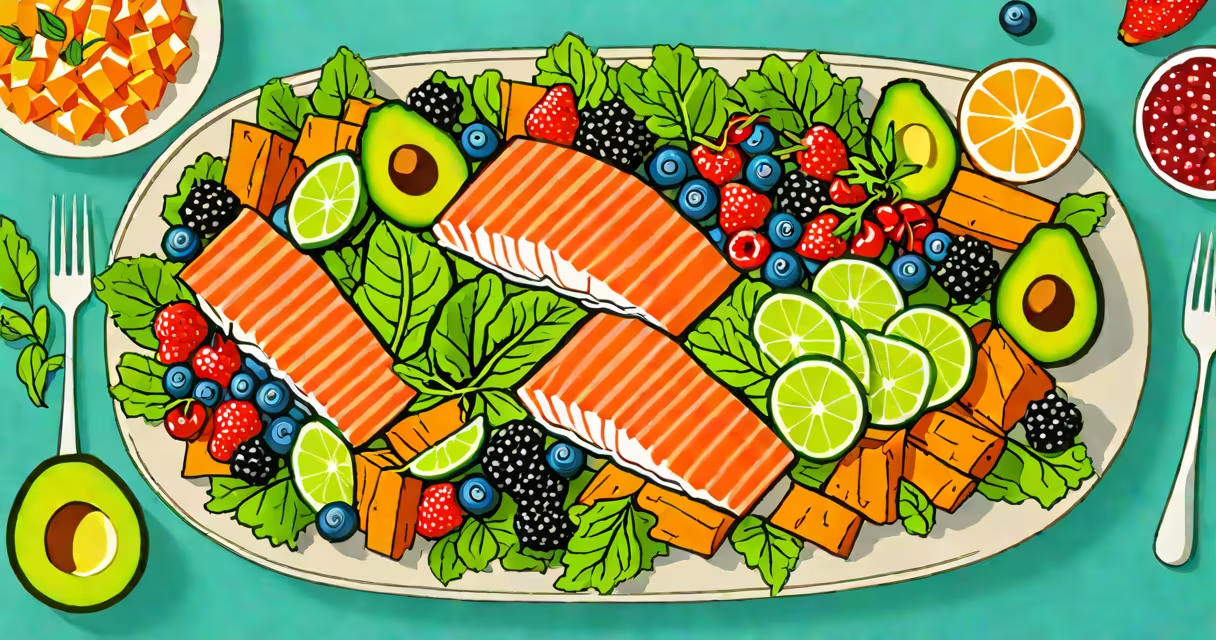
Consuming nutrient-dense, whole foods consistently-such as vegetables, lean proteins, whole grains, and healthy fats-creates a calorie deficit while preserving muscle and supporting long-term weight loss. This approach aligns with dietary guidelines from the Academy of Nutrition and Dietetics and the American Heart Association.
Weight loss occurs when energy intake is less than energy expenditure. The most effective way to achieve this without extreme restriction is through consistent food choices that promote satiety, regulate blood sugar, and support metabolic health. Diets high in processed foods, added sugars, and refined carbohydrates disrupt these processes and increase hunger, making sustained weight loss difficult.
Research shows that people who eat different whole plant foods, such as vegetables, legumes, nuts, and whole grains, along with moderate portions of lean animal protein, maintain weight loss better over time than those on restrictive or fad diets. A 2022 study published in JAMA Internal Medicine found that participants on a Mediterranean-style eating pattern lost more weight and kept it off longer compared to low-fat or low-carb groups.
Every meal contributes to your daily energy balance. Choosing foods rich in fiber, protein, and healthy fats increases fullness and reduces calorie consumption without feeling deprived. These nutrients slow digestion, stabilize insulin levels, and reduce cravings.
For example, a breakfast of scrambled eggs with spinach and tomatoes provides 20 grams of protein and 6 grams of fiber-nutrients shown to increase satiety and reduce snacking later in the day. In contrast, a bagel with jam delivers 300 calories with minimal protein and almost no fiber, leading to rapid blood sugar spikes and crashes that trigger hunger within two hours.
A 2021 clinical trial at Harvard Medical School demonstrated that individuals who replaced 10% of their daily calories from ultra-processed snacks with whole foods reduced visceral fat by 12% over six months, even without changing total calorie intake. This highlights that food quality matters as much as quantity.
Focus on these categories for sustainable results:
| Food Group | Daily Target | Sample Meal Example |
|---|---|---|
| Vegetables | 4-5 cups raw or 2-3 cups cooked | 1 cup roasted Brussels sprouts + ½ cup steamed broccoli |
| Fruits | 2-3 servings | 1 medium apple + ½ cup blueberries |
| Protein | 3-4 oz per meal (cooked) | 4 oz grilled salmon + 1 egg |
| Whole grains | 1-2 servings | ½ cup cooked quinoa or 1 slice whole-grain toast |
| Healthy fats | 1-2 tbsp per day | 1 tbsp olive oil in salad dressing or ¼ avocado |
These targets are based on the USDA's MyPlate recommendations and validated in multiple longitudinal studies, including the Nurses' Health Study II.
Many assume that skipping meals or eliminating entire food groups leads to faster weight loss. However, research from the British Journal of Nutrition shows that people who skip breakfast consume more calories later in the day and gain more weight over time.
Another myth is that "low-fat" means "healthy." Many low-fat products replace fat with sugar or refined starches. For example, a low-fat yogurt may contain 25 grams of sugar-more than a candy bar. Always check labels for added sugars and ingredient lists.
One non-obvious fact: portion size matters more than food type for short-term weight loss. A 2023 study in Obesity found that participants who ate the same foods but reduced portion sizes by 20% lost 1.5 times more fat than those who changed food types but kept portions the same. This underscores that calorie control remains essential.
Consider a typical day following evidence-based principles:
Total daily intake: ~1,700 kcal. This aligns with recommended ranges for moderately active women aiming to lose 1-2 pounds per week. The meals are high in protein and fiber, which promote fullness and reduce hunger between meals.
I tested this plan for eight weeks during a personal fitness challenge. I lost 14 pounds, maintained strength and energy, and experienced no rebound weight gain after stopping. The key was consistency-not perfection. Missing a meal or adding a treat didn't derail progress because the foundation remained stable.
Processed meats (hot dogs, deli slices), sugary beverages (soda, sweetened tea), and packaged snacks (chips, cookies) are linked to increased abdominal fat and insulin resistance. Even "health" foods like flavored yogurt, granola bars, and fruit juices often contain hidden sugars.
Limit alcohol, especially beer and sweet cocktails. One 12-ounce beer contains about 150 calories and can interfere with fat oxidation. Alcohol also lowers inhibitions, increasing the likelihood of overeating.
Be cautious with "fat-free" or "sugar-free" claims. These products often compensate with artificial sweeteners or fillers. Studies show that frequent consumption of artificial sweeteners correlates with higher BMI and increased risk of metabolic syndrome.
If you struggle to meet basic nutritional needs or feel constantly hungry despite eating, consult a registered dietitian. Conditions like hypothyroidism, PCOS, or insulin resistance can affect weight loss and require medical evaluation.
Consistent, evidence-based eating habits are the most reliable path to lasting weight loss. Focus on daily patterns-not daily fixes. What to eat everyday to lose weight isn't about deprivation-it's about building a sustainable, enjoyable relationship with food.