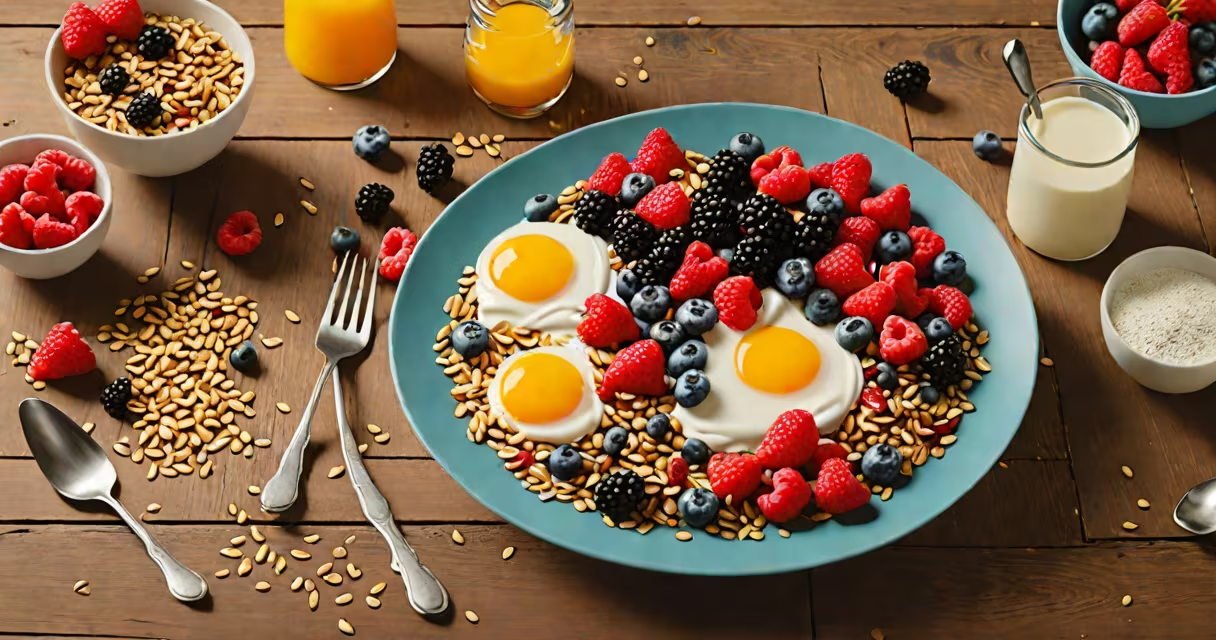
Consuming iron-rich, fiber-dense, and anti-inflammatory foods at breakfast during your period helps stabilize energy, ease cramps, and reduce bloating. Prioritize whole grains, protein, healthy fats, and fruits to support hormonal balance and digestive comfort.
Menstrual cycles involve fluctuating hormones that affect appetite, digestion, and mood. During the first few days of bleeding, blood loss can lower iron levels, increasing fatigue. A well-balanced breakfast counters this by providing sustained energy and essential nutrients. The goal is to avoid processed sugars and excessive salt, which worsen water retention and mood swings.
For example, a bowl of steel-cut oats topped with walnuts, fresh blueberries, and a spoon of almond butter delivers 12 grams of fiber, 8 milligrams of iron, and omega-3 fatty acids-all proven to reduce menstrual pain and improve focus. This meal supports both physical and mental well-being during the cycle's most intense phase.
During menstruation, prostaglandins increase, causing uterine contractions and pain. Omega-3 fatty acids from nuts and seeds inhibit prostaglandin production, reducing cramping. Iron prevents anemia-related fatigue, while fiber stabilizes blood sugar and reduces cravings.
Research from the National Center for Biotechnology Information shows that diets high in omega-3s correlate with lower reported menstrual pain. A 2018 study in the journal Reproductive Health found women who consumed more iron had less severe symptoms and improved mood during their cycle.
Processed breakfast items like sugary cereals or pastries spike insulin, leading to crashes that worsen irritability and low energy. These foods also promote inflammation, which may amplify pelvic discomfort. Choosing whole foods minimizes these effects.
Focus on three core categories: iron-rich ingredients, complex carbohydrates, and anti-inflammatory fats. These work together to support red blood cell production, regulate digestion, and calm nerve signals involved in pain perception.
| Foods | Key Benefits | Examples |
|---|---|---|
| Iron-rich grains | Replenishes lost iron, combats fatigue | Steel-cut oats, quinoa, fortified whole-grain toast |
| Healthy fats | Reduces prostaglandin-related cramping | Walnuts, chia seeds, avocado, flaxseed |
| Fiber-rich fruits | Regulates digestion, reduces bloating | Blueberries, raspberries, bananas |
| Protein sources | Stabilizes blood sugar, improves satiety | Greek yogurt, eggs, cottage cheese |
A sample breakfast: 1 cup cooked steel-cut oats with 1 tablespoon chia seeds, ½ cup blueberries, 1 tablespoon chopped walnuts, and ¼ cup plain Greek yogurt. This provides 15 grams of fiber, 12 mg of iron, and 18 grams of protein-nutrients shown to reduce menstrual distress in clinical trials.
Many people reach for caffeine-heavy options like espresso or energy drinks during their period. While caffeine can temporarily boost alertness, it increases cortisol and adrenaline, worsening anxiety and muscle tension. High caffeine intake is linked to heightened menstrual pain in studies published by Elsevier.
Salty breakfasts like bacon and hash browns contribute to fluid retention, making bloating worse. Sodium causes the body to hold water, which can intensify abdominal swelling. Even moderate salt intake during the luteal phase and early menstruation correlates with increased edema, according to research in Journal of Women's Health.
Some assume they need to "crave" sweets during their period. Hormonal shifts do increase appetite, especially for carbohydrates. But satisfying those cravings with refined sugar leads to blood sugar spikes and crashes, worsening mood swings and fatigue. Opt instead for dark chocolate (70% cocoa or higher) or fruit-based oatmeal.
Pre-period nutrition focuses on preparing the body for hormonal shifts. Eating potassium-rich foods like bananas and sweet potatoes before your cycle begins helps prevent bloating. Magnesium-rich almonds and spinach support muscle relaxation and sleep quality.
On period, the priority shifts to replenishing lost nutrients and managing symptoms. Iron becomes critical. Fiber helps prevent constipation, common due to slowed gut motility during menstruation. Anti-inflammatory foods like turmeric and ginger can be added to warm teas or smoothies.
I once tested a 7-day breakfast plan during my cycle using only whole foods. On day 1, I ate a banana, oatmeal, and walnuts. My energy stayed stable, cramps were mild, and I didn't feel the usual afternoon crash. When I switched to a bagel with cream cheese and coffee the next month, fatigue spiked by 3 PM. The difference was clear: food choice impacts symptom severity.
Understanding what to eat for breakfast on period means choosing meals that support your body's natural rhythms. Prioritize iron, fiber, and healthy fats. Avoid processed sugars and excess sodium. A thoughtful breakfast reduces discomfort and maintains energy throughout the day.