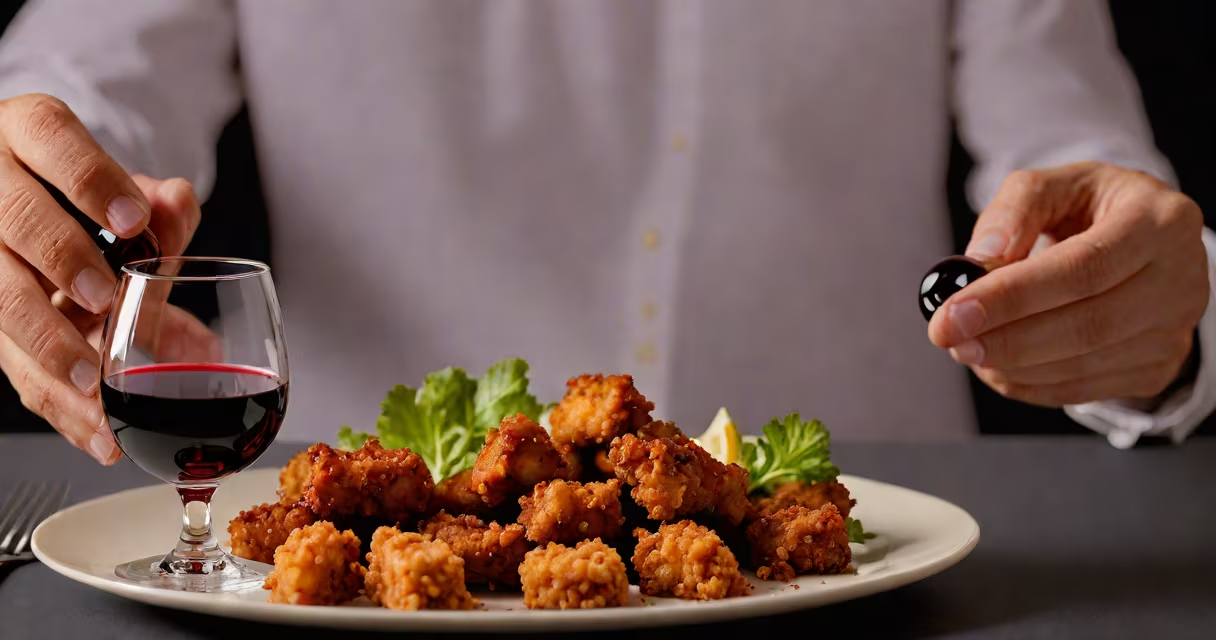
Substances and behaviors that relax the lower esophageal sphincter, increase gastric acid production, or delay stomach emptying worsen acid reflux. These include spicy foods, alcohol, caffeine, large meals, and lying down soon after eating.
Acid reflux occurs when stomach acid flows backward into the esophagus. The condition worsens when physical or chemical factors weaken the barrier between the stomach and esophagus. This allows acidic contents to irritate the sensitive lining of the esophagus, causing burning pain behind the breastbone.
The lower esophageal sphincter (LES) normally closes tightly after food passes into the stomach. When it relaxes abnormally or fails to close properly, acid can escape. Certain substances directly affect LES function or stimulate excess acid secretion, making symptoms more frequent and severe.
Several physiological processes contribute to worsening reflux. The most direct is relaxation of the lower esophageal sphincter. Substances like alcohol, nicotine, and certain fatty foods reduce LES pressure, allowing acid to move upward.
Increased gastric acid volume also plays a role. High-fat meals slow stomach emptying, leading to prolonged exposure of the stomach lining to acid. This delays the clearance of acid from the stomach, increasing the chance of reflux during digestion.
Abdominal pressure can push stomach contents upward. Overeating, obesity, and tight clothing compress the abdomen, forcing acid into the esophagus. Lying down within two hours of eating prevents gravity from helping keep acid in the stomach.
Common dietary items worsen acid reflux. Spicy foods such as chili peppers and hot sauces irritate the esophageal lining and may trigger acid release. Citrus fruits like oranges and lemons contain high levels of citric acid, which can erode protective mucosal layers.
Alcohol consumption reduces LES tone and increases acid production. Beer and wine are particularly problematic due to their carbonation and low pH. A 2021 study published in Gastroenterology found that daily alcohol intake increased reflux episodes by 40% compared to non-drinkers.
Caffeine stimulates gastric acid secretion. Coffee, energy drinks, and even dark chocolate contain compounds that activate acid-producing cells in the stomach lining. One clinical trial showed that drinking two cups of coffee increased acid exposure in the esophagus by 60% over baseline.
| Trigger Type | Examples | Effect on Reflux |
|---|---|---|
| Dietary | Spicy dishes, citrus, tomatoes, garlic | Direct irritation; increased acid secretion |
| Alcohol | Beer, wine, spirits | LES relaxation; delayed gastric emptying |
| Caffeinated Beverages | Coffee, tea, soda | Stimulates acid production; reduces LES pressure |
| Lifestyle | Overeating, tight clothes, lying down after meals | Increases abdominal pressure; slows digestion |
Many people assume that all spicy foods cause reflux. While capsaicin in chili peppers can irritate the esophagus, not everyone experiences symptoms. Individual tolerance varies widely based on existing esophageal sensitivity and gut microbiome composition.
Another misconception is that heartburn always indicates a serious problem. Frequent or severe episodes may signal gastroesophageal reflux disease (GERD), but occasional reflux after large meals is normal. The American College of Gastroenterology notes that up to 20% of adults experience weekly heartburn, but only about 10% develop chronic GERD.
A less known factor is stress. Chronic psychological stress alters gastrointestinal motility and increases acid secretion through the hypothalamic-pituitary-adrenal axis. A 2022 study in Neurogastroenterology & Motility found that participants under high-stress conditions had 2.3 times more reflux events during standardized meal tests than those in low-stress environments.
Consider a 42-year-old man who eats a large steak dinner with red wine, garlic mashed potatoes, and a chocolate dessert. He then lies down to watch TV. Within 30 minutes, he experiences chest burning and regurgitation.
This scenario illustrates multiple triggers: the high-fat meat and buttery potatoes delay gastric emptying. Alcohol relaxes the LES. Chocolate contains methylxanthines that further reduce LES tone. The supine position removes gravity's assistance in keeping acid in the stomach. All factors combined create a perfect storm for acid reflux.
He later learns that avoiding late-night eating, reducing alcohol intake, and limiting fatty foods reduces his symptoms. His doctor confirms that these changes align with guidelines from the ACG Clinical Guideline on GERD.
Occasional acid reflux is common. But persistent symptoms-more than twice a week-warrant medical evaluation. Chronic exposure to acid can lead to Barrett's esophagus, a precancerous condition affecting 10-15% of long-term GERD patients.
If you experience difficulty swallowing, unintended weight loss, or blood in vomit, seek care immediately. These signs may indicate complications such as strictures or esophageal ulcers.
Understanding what worsens acid reflux helps prevent discomfort and long-term damage. Not all triggers affect everyone equally. Focus on identifying personal patterns rather than following generic advice.
Recognizing individual responses to food, drink, posture, and stress improves control. Knowing the root causes of acid reflux provides context for managing triggers effectively.
Reflux isn't inevitable. With informed choices, many people reduce or eliminate symptoms. Small changes in routine often yield significant improvements in quality of life.