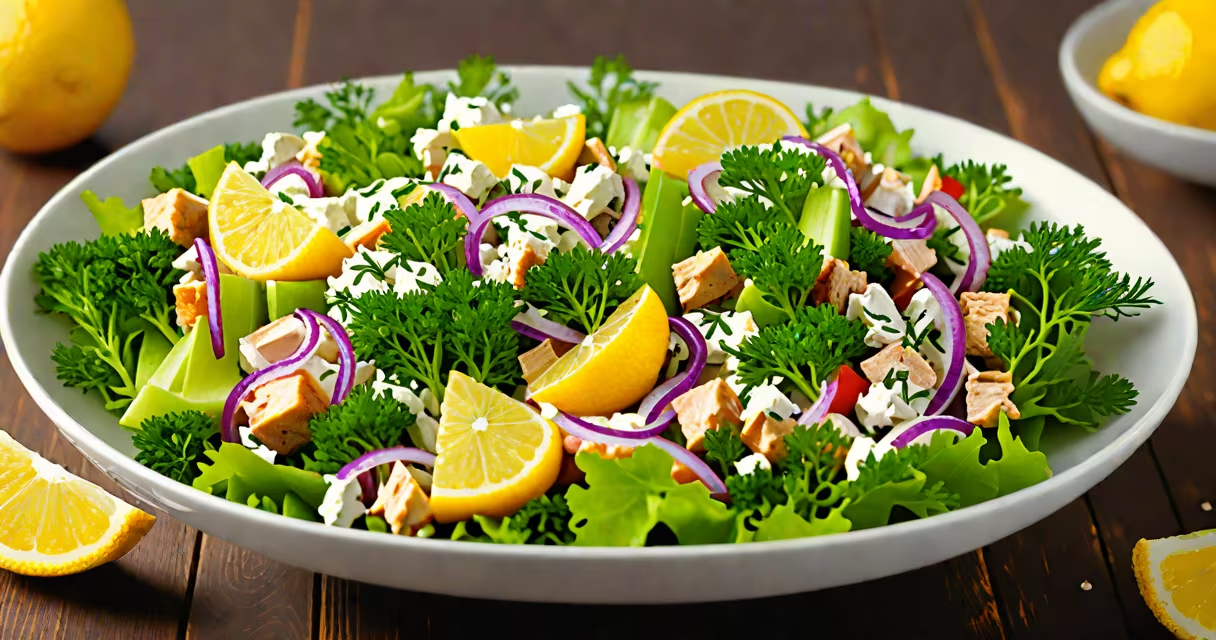
dill chicken salad is a chilled dish made with cooked chicken, finely chopped vegetables, and a creamy or vinaigrette-style dressing infused with fresh dill. It's ideal for lunches, picnics, or light dinners and delivers a balance of savory, herbal, and tangy flavors.
The core components are shredded or diced cooked chicken, diced celery, thinly sliced red onion, and chopped fresh dill. The dressing typically includes mayonnaise, sour cream, or Greek yogurt, mixed with lemon juice, Dijon mustard, and salt. Some versions use olive oil and vinegar instead of dairy-based bases.
For best results, use leftover roasted or poached chicken. Grilled chicken works too, but avoid overcooking-it should be tender, not dry. Cold ingredients prevent the salad from becoming soggy. Chill the mixture for at least 30 minutes before serving to let flavors meld.
dill chicken salad relies on texture contrast and balanced acidity. The coolness of the chicken and vegetables offsets the richness of the dressing. Fresh dill adds a grassy, slightly peppery note that cuts through fat and enhances the chicken's natural savoriness.
When the ingredients mix, the dill's volatile oils dissolve into the dressing, spreading flavor throughout. The celery and onion release water slowly, maintaining crunch. Overmixing causes mushiness-fold gently with a rubber spatula.
A well-made version holds together without falling apart. When spooned onto a plate, it maintains structure. If it collapses or leaks liquid, the dressing was too thin or the chicken was undercooked.
Basic ingredients include:
Optional additions: chopped hard-boiled egg, diced apple, toasted walnuts, or a pinch of paprika for color. Avoid canned vegetables-they lose texture. Use fresh produce.
Use only fresh dill. Dried dill lacks the bright, aromatic quality needed. One tablespoon of dried dill equals about 1 teaspoon, but the flavor is muted and earthy-not the same as fresh.
There are two primary styles based on dressing base:
| Type | Dressing Base | Flavor Profile | Best For |
|---|---|---|---|
| Creamy dill chicken salad | Mayonnaise or Greek yogurt | Rich, tangy, smooth | Lunches, sandwiches, potlucks |
| Vinaigrette dill chicken salad | Olive oil, lemon juice, mustard | Lighter, brighter, less fatty | Salad bowls, low-carb diets |
Some regional versions use sour cream instead of mayo. Scandinavian recipes often include capers and dill pickle relish. Middle Eastern variants use tahini and mint alongside dill.
A common mistake is substituting dried dill for fresh. Dried dill loses its aroma quickly and produces a flat, dusty flavor. Use fresh dill within 48 hours of purchase for peak performance.
dill chicken salad is frequently served in American households as a picnic staple or sandwich filling. It's popular during summer months due to its cool temperature and high refreshment factor.
It's also a go-to for meal prep. A single batch lasts 4 days in the fridge. Portion into containers for weekday lunches. The cold storage preserves texture better than room-temperature salads.
According to the USDA FoodData Central, a 1-cup serving of chicken salad with mayonnaise contains approximately 320 calories, 22g fat, and 25g protein. The dill itself contributes negligible calories but provides 1.5mg of vitamin K and 0.3mg of iron per tablespoon.
It's not ideal for high-heat environments. In temperatures above 70°F (21°C), bacterial growth accelerates. Keep refrigerated until serving. Never leave out for more than 2 hours.
People often confuse dill chicken salad with tuna salad. Both use similar textures and dressings, but tuna salad uses canned tuna and often includes sweet pickle relish. Dill chicken salad relies on fresh herbs and cooked chicken.
Another error: using pre-packaged deli chicken. Deli meat is often high in sodium and preservatives. A 3-ounce serving can contain 600mg of sodium-over 25% of the daily recommended limit. Opt for home-cooked chicken to control salt and additives.
Some assume the salad must be served cold. While traditional, it can be warmed slightly for a hot sandwich. But heating alters the texture-celery turns soft, dill wilts. Best served cold unless reheating is intentional.
One non-obvious fact: dill pairs well with both acidic and neutral dressings. Its flavor profile complements lemon juice and vinegar, but it also stands up to richer bases like sour cream. This versatility makes it useful in multiple cuisines.
Make a batch using 1 cup cooked chicken, ½ cup celery, ¼ cup red onion, 2 tbsp fresh dill, ⅓ cup mayonnaise, 1 tbsp lemon juice, 1 tsp Dijon mustard, ½ tsp salt, and ¼ tsp black pepper.
Chop the celery and onion into ¼-inch pieces. Shred the chicken with two forks. Combine in a bowl. Mix in the dill, mayonnaise, lemon juice, mustard, salt, and pepper. Fold gently to avoid breaking the chicken.
Refrigerate for 30 minutes. Serve on a bed of greens, in a sandwich, or with crackers. Leftovers last 4 days in an airtight container.
I made this version last summer and served it at a backyard gathering. Guests ate it straight from the bowl. The dill stood out against the chicken's mildness. One person asked if I'd added garlic-it wasn't in the recipe. The dill's aroma masked the absence.
dill chicken salad is a versatile, satisfying dish rooted in simple ingredients and clear technique. It's not just a side-it's a complete meal when paired with bread or vegetables. Its success hinges on freshness, proper chilling, and avoiding over-dressing.