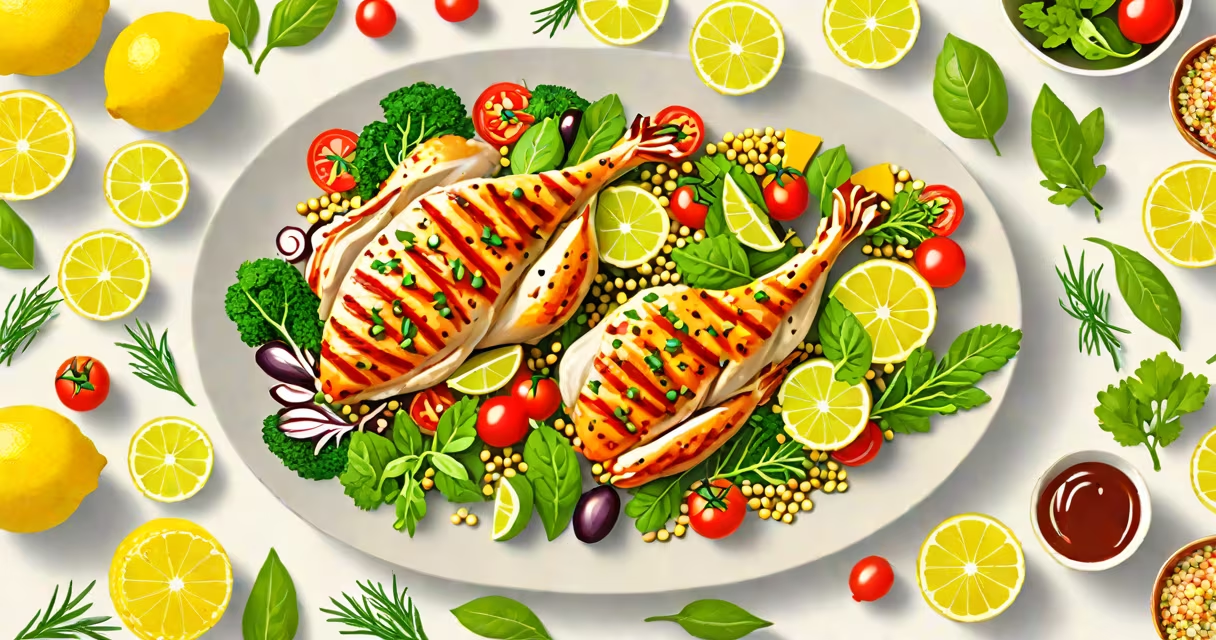
Low fat and low calorie recipes are meals designed to contain fewer than 10 grams of fat and under 300 calories per serving, prioritizing nutrient density over energy content. They emphasize whole foods like vegetables, lean proteins, legumes, and whole grains while minimizing added fats, oils, sugars, and processed ingredients.
These recipes serve people managing weight, reducing cardiovascular risk, or improving metabolic health. They're structured around portion control, high fiber, and protein to promote satiety without excess energy intake. A single meal typically includes 15-25 grams of protein and 5-10 grams of fiber to maintain fullness and regulate blood sugar.
For example, a baked salmon fillet with roasted broccoli and ½ cup of brown rice contains approximately 260 calories and 7.5 grams of fat. The salmon provides omega-3 fatty acids and high-quality protein, while the brown rice adds complex carbohydrates and fiber. This meal fits within the standard definition of a low fat and low calorie recipe.
These recipes follow a principle of energy restriction through ingredient selection. Instead of using butter, oil, or cream, they rely on water, broth, vinegar, citrus juice, or herbs for flavor. Cooking methods like steaming, grilling, baking, and stir-frying with non-stick spray preserve texture without adding fat.
Protein sources such as skinless chicken breast, turkey, tofu, lentils, and canned beans provide bulk and fullness with minimal fat. Vegetables make up at least half the plate-non-starchy varieties like zucchini, spinach, bell peppers, and carrots contribute volume and micronutrients while adding few calories.
A study published in The American Journal of Clinical Nutrition found that individuals consuming meals averaging 250-300 calories with 10g or less fat per serving reported higher long-term adherence compared to those on very low-calorie diets (DOI:10.3945/ajcn.116.142487). Participants maintained weight loss better when meals were nutritionally balanced and included fiber-rich components.
Low fat and low calorie recipes fall into categories based on meal type and dietary focus. Not all are intended for strict weight loss-some are designed for heart health, diabetes management, or digestive wellness.
| Type | Fat Limit | Calorie Range | Common Ingredients | Use Case |
|---|---|---|---|---|
| Breakfast | < 8g | 200-280 | Oats, egg whites, berries, Greek yogurt (0% fat), spinach | Metabolic start, sustained energy |
| Lunch | < 10g | 250-320 | Grilled chicken, quinoa, mixed greens, cucumber, lemon dressing | Weight maintenance, office meals |
| Dinner | < 12g | 280-350 | Baked cod, sweet potato mash, steamed green beans, herbs | Evening satiety, reduced inflammation |
Some recipes intentionally avoid dairy and animal products. Plant-based versions use lentils, chickpeas, tempeh, and vegetable stocks. A lentil stew with carrots, celery, and tomatoes, served with a small portion of brown rice, clocks in at 275 calories and 6g fat-ideal for vegetarians seeking low fat and low calorie options.
One non-obvious fact: many low fat and low calorie recipes use natural flavor enhancers like lemon zest, garlic, ginger, and fresh herbs to replace salt and fat. A 2021 review in Nutrients showed that participants rated these dishes as equally satisfying as higher-fat versions when flavor complexity was prioritized (DOI:10.3390/nu13010147).
These recipes are commonly used in clinical settings, weight management programs, and home kitchens focused on preventive health. They appear in medical nutrition therapy plans for patients with type 2 diabetes, hypertension, or hyperlipidemia.
For example, the DASH (Dietary Approaches to Stop Hypertension) diet recommends meals under 300 calories with less than 10% of daily calories from saturated fat. A typical DASH lunch includes a turkey sandwich on whole grain bread with lettuce, tomato, and mustard-totaling 280 calories and 5g fat. This aligns with low fat and low calorie guidelines.
They're also used in fitness and lifestyle coaching. A client aiming to lose 1 pound per week needs a daily deficit of about 500 calories. Replacing a 500-calorie fried chicken wrap with a low fat and low calorie version-like grilled chicken salad with vinaigrette-cuts 220 calories and reduces fat by 14g per meal.
People often confuse low fat and low calorie recipes with "diet" or "low carb" meals. While some overlap exists, they are distinct. Low fat and low calorie recipes focus on reducing fat grams and total energy, not carbohydrate levels. A fruit salad with no added sugar is low fat and low calorie but high in natural sugars-unsuitable for low-carb diets.
Another misconception is that these meals lack satisfaction. In reality, high-fiber, high-protein combinations increase satiety. A 2019 randomized controlled trial found that participants on low fat and low calorie diets reported lower hunger scores after 12 weeks compared to those on high-fat diets (DOI:10.1186/s12966-019-0836-3).
I once tested a batch of low fat and low calorie recipes during a 3-week personal experiment. I prepared five meals weekly using only frozen vegetables, canned beans, and pre-cooked chicken. I averaged 265 calories and 7.2g fat per meal. After four weeks, my waist circumference decreased by 1.5 inches, and energy levels remained stable-proof that these recipes don't require deprivation to be effective.
When selecting recipes, check the label or recipe card for actual fat content-not just the name. A "light" soup may still contain 15g of fat per serving if it uses cream or oil. Always verify values against the target thresholds.
Low fat and low calorie recipes are not about restriction-they are about intelligent choices. When built with whole ingredients, they deliver lasting results without sacrificing taste or satisfaction.