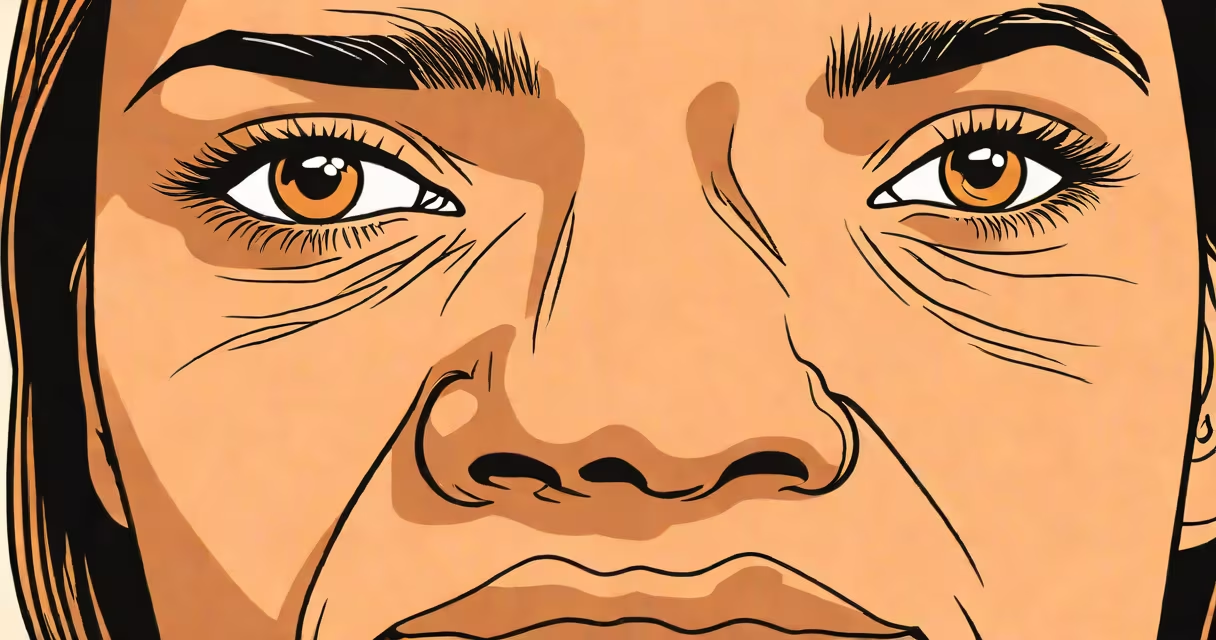
Feeling constantly afraid without a clear threat may indicate an anxiety disorder, where the brain's fear response remains activated even when danger is absent. This state involves biological, psychological, and environmental triggers that sustain fear beyond normal stress.
Chronic fear arises when the amygdala-a region in the brain responsible for detecting threats-overreacts to stimuli. This leads to a persistent state of hypervigilance, where the body remains in fight-or-flight mode. The autonomic nervous system releases cortisol and adrenaline continuously, causing physical symptoms like rapid heartbeat, shallow breathing, and muscle tension. These responses evolved to protect humans from immediate danger, but they malfunction when triggered by everyday situations such as social interactions, work deadlines, or even silence.
According to the American Psychiatric Association, about 19% of U.S. adults experience an anxiety disorder each year, with generalized anxiety disorder (GAD) being the most common. GAD is diagnosed when excessive worry occurs more days than not for at least six months and interferes with daily functioning. Symptoms include restlessness, fatigue, difficulty concentrating, irritability, and sleep disturbances. A diagnosis requires clinical evaluation-not just feeling anxious sometimes.
The fear circuit begins in the amygdala, which processes emotional memories and sends signals to the hypothalamus. The hypothalamus activates the sympathetic nervous system, triggering the release of epinephrine (adrenaline) from the adrenal glands. This causes increased heart rate, dilated pupils, and redirected blood flow to muscles-all preparing the body to flee or fight.
When this system stays active, it drains energy reserves and disrupts sleep. Research from the National Institute of Mental Health shows that people with anxiety disorders have heightened activity in the amygdala during neutral stimulus exposure. Functional MRI scans reveal that their brains react to non-threatening images as if they were dangerous. This misfiring explains why someone might feel intense dread while standing in line at a grocery store or during a routine phone call.
A 2021 study published in *Nature Human Behaviour* found that individuals with high baseline anxiety show reduced connectivity between the prefrontal cortex-the area responsible for rational decision-making-and the amygdala. Without proper regulation, the fear center operates unchecked. This neural imbalance makes it difficult to calm down even after the perceived threat ends.
While anxiety disorders are medical conditions, specific life events often precede or worsen them. Childhood trauma, including emotional neglect or abuse, increases the risk of developing chronic fear later in life. The Adverse Childhood Experiences (ACE) study, conducted by CDC and Kaiser Permanente, found that individuals with four or more ACEs are nearly four times more likely to develop anxiety than those with none.
Chronic stress from work, financial instability, or caregiving responsibilities can also trigger prolonged fear states. For example, a parent working two jobs while managing a child's chronic illness may experience ongoing anxiety due to unpredictability and lack of control. This isn't weakness-it's a physiological response to sustained pressure.
Substance use exacerbates fear. Alcohol may initially reduce anxiety but disrupts REM sleep and increases nighttime awakenings, worsening distress. Caffeine, found in coffee, tea, and energy drinks, stimulates the central nervous system and can provoke panic-like symptoms in sensitive individuals. One study in *JAMA Psychiatry* showed that consuming more than 400 mg of caffeine daily correlates with higher rates of panic attacks.
| Factor | Impact on Fear Response | Example |
|---|---|---|
| Childhood trauma | Alters brain development; increases amygdala sensitivity | Adults who experienced emotional neglect may fear rejection in relationships |
| Caffeine intake (>400mg/day) | Triggers adrenaline release; mimics panic symptoms | Someone drinking five cups of coffee daily reports sudden dizziness and racing thoughts |
| Chronic sleep deprivation | Reduces prefrontal regulation; heightens emotional reactivity | After three nights without sleep, a person feels overwhelmed by minor setbacks |
Constant fear is not the same as being "overly sensitive" or "too dramatic." It is not a character flaw or a sign of personal failure. Many people who experience persistent fear function well at work or school yet still struggle internally. This disconnect-high performance despite internal turmoil-is common in high-achieving individuals.
Another misconception is that anxiety only affects people under extreme stress. While acute stress can trigger temporary fear, chronic fear persists long after the stressor ends. Someone who survived a car accident may continue avoiding driving months later-even if safe. That avoidance isn't irrational; it reflects a neurological adaptation to past trauma.
Fear is not always linked to external threats. Some people report feeling afraid during quiet moments-like sitting alone at home or walking through an empty hallway. This suggests the brain has learned to associate safety with danger. The fear becomes a habit, not a warning.
Sarah, a 34-year-old teacher, reported feeling afraid all the time for over two years. She described waking up with tightness in her chest, trembling hands, and a sense of impending doom. She avoided public speaking, skipped family gatherings, and stopped using public transportation. Her doctor ruled out thyroid issues and heart disease.
After seeing a psychiatrist, she was diagnosed with generalized anxiety disorder and PTSD from a childhood incident involving a fire alarm that went off during a school drill. The sound triggered flashbacks. Cognitive behavioral therapy helped her identify automatic negative thoughts like "Something bad will happen" and challenge them with evidence-based reasoning. Over six months, she reduced her reliance on benzodiazepines and began practicing mindfulness techniques. Her anxiety scores dropped from 68 to 22 on the GAD-7 scale.
This case illustrates that fear without an obvious cause often stems from hidden trauma or neurochemical imbalances. Treatment isn't about "getting stronger"-it's about rewiring maladaptive patterns.
If fear interferes with your ability to work, maintain relationships, or enjoy activities you once liked, professional help is necessary. The National Alliance on Mental Illness recommends seeking care when fear lasts longer than a few weeks and cannot be explained by current circumstances.
Treatment typically combines psychotherapy and medication. Cognitive Behavioral Therapy (CBT) is the gold standard for anxiety. It teaches patients to recognize distorted thinking patterns and replace them with balanced alternatives. For example, replacing "I'll fail everyone" with "I've prepared, and even if I make mistakes, I can learn from them."
Medications such as SSRIs (selective serotonin reuptake inhibitors) increase serotonin levels in the brain, helping regulate mood and reduce fear. Studies show that 60-70% of patients respond positively to SSRI treatment within eight weeks. However, medication should be combined with therapy for lasting results.
I once observed a group therapy session where participants shared stories of fear rooted in early experiences. One man said he feared silence because his father used to scream during quiet moments. After several sessions, he began noticing that silence wasn't inherently threatening. He started sitting in stillness for five minutes daily. Over time, his fear diminished. This small act of exposure-repeated daily-demonstrates how the brain can relearn safety.
Understanding why you're so scared all the time starts with recognizing that fear is not always logical. It's a survival mechanism gone haywire. You're not broken-you're reacting to a system that's stuck in emergency mode. With accurate diagnosis and targeted treatment, relief is possible.