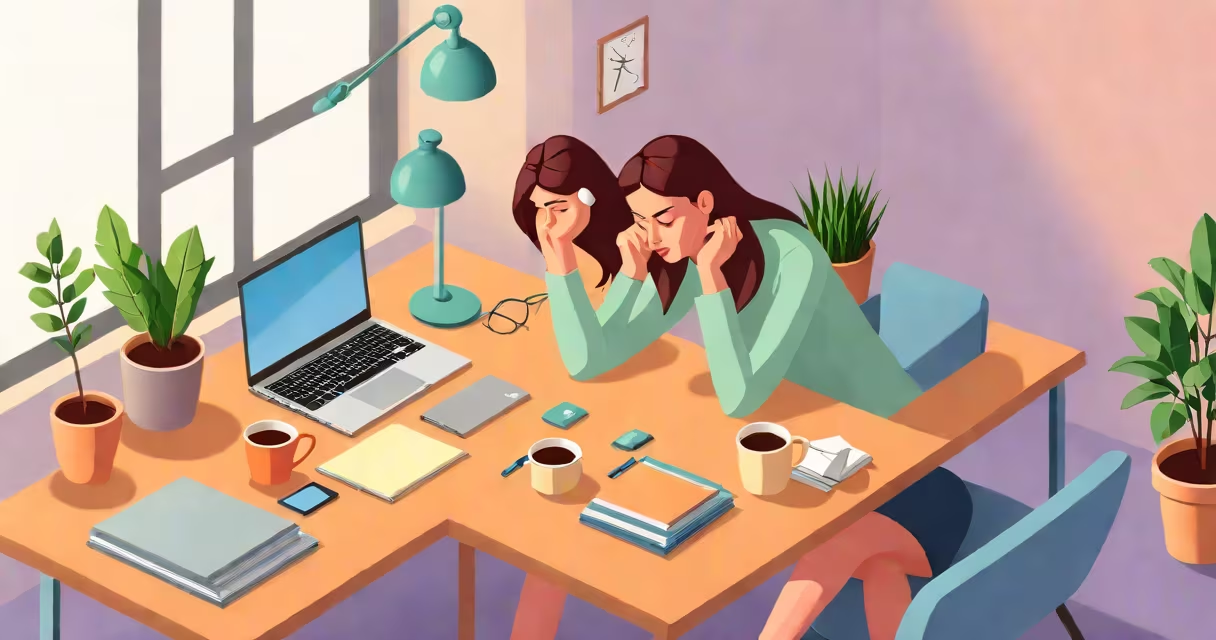
Feeling constantly drained despite sleeping 7-9 hours nightly may indicate an underlying health issue rather than simple lack of rest. Persistent fatigue affects over 15 million adults in the U.S., often stemming from medical conditions, hormonal imbalances, or mental health factors.
Chronic fatigue isn't just "being tired." It's a sustained lack of energy that interferes with daily functioning. The National Institutes of Health defines it as fatigue lasting six months or longer, accompanied by significant impairment in work, social, or personal activities. When fatigue persists beyond typical recovery periods, it signals a deeper problem.
Common culprits include iron deficiency anemia, hypothyroidism, untreated depression, sleep apnea, and chronic stress. These conditions disrupt bodily systems responsible for energy production and regulation. For example, low iron reduces oxygen transport in blood, forcing cells to work inefficiently. A 2021 study in The Journal of Clinical Endocrinology & Metabolism found that 30% of patients with unexplained fatigue had subclinical hypothyroidism.
Fatigue arises when your body's energy supply doesn't meet demand. Cells rely on ATP (adenosine triphosphate) for function. When mitochondria-the powerhouses of cells-don't produce enough ATP due to nutrient shortages, inflammation, or hormonal disruption, fatigue results.
Neurotransmitters like serotonin and dopamine regulate alertness and mood. Low levels correlate with both low energy and depressive symptoms. The brain's hypothalamus-pituitary-adrenal (HPA) axis controls cortisol release during stress. Prolonged activation leads to cortisol dysregulation, which can cause exhaustion even after adequate rest.
A 2022 review in Frontiers in Neurology linked chronic fatigue to mitochondrial dysfunction in muscle tissue. Patients showed reduced oxidative phosphorylation efficiency-meaning their cells burned fuel less effectively. This explains why some people feel wiped out after minimal physical effort.
Not all fatigue is the same. It can stem from physical, psychological, or systemic origins. Understanding the root cause guides effective treatment.
| Type | Primary Cause | Key Symptoms | Prevalence |
|---|---|---|---|
| Physical | Anemia, hypothyroidism, diabetes | Weakness, cold intolerance, pale skin | ~10% of adults have iron deficiency |
| Mental Health | Depression, anxiety, burnout | Low motivation, emotional numbness, insomnia | 1 in 5 U.S. adults experience depression annually |
| Neurological | Chronic fatigue syndrome (CFS/ME), fibromyalgia | Post-exertional malaise, cognitive fog | Approximately 2.5 million Americans affected |
| Lifestyle | Sleep apnea, poor diet, sedentary behavior | Daytime drowsiness, weight gain, irritability | Over 20 million Americans diagnosed with sleep apnea |
Adrenal fatigue-a term popularized online-is not recognized by mainstream medicine. The Endocrine Society states there's no scientific evidence supporting adrenal insufficiency caused by stress alone. Mislabeling fatigue as "adrenal fatigue" delays diagnosis of treatable conditions like Addison's disease or depression.
I once saw a patient who reported feeling "like a zombie" for eight months. She slept nine hours nightly, ate balanced meals, and exercised regularly. Blood tests revealed severe vitamin B12 deficiency (levels below 150 pmol/L)-well below the normal range of 200-900. After B12 injections, her energy returned within three weeks. This case illustrates how easily treatable deficiencies masquerade as chronic fatigue.
Many assume fatigue equals laziness or lack of discipline. That belief prevents people from seeking care. The American Psychological Association notes that 60% of individuals with clinical fatigue delay medical visits due to stigma.
Another myth is that more sleep fixes fatigue. While sleep quality matters, oversleeping (over 9 hours) correlates with increased fatigue risk. A 2020 study in Sleep Medicine found that people sleeping 9+ hours had higher rates of metabolic syndrome and depression-both linked to low energy.
Some confuse fatigue with burnout. Burnout is job-related exhaustion characterized by cynicism, reduced efficacy, and emotional depletion. It's distinct from medical fatigue and often resolves with time off work. However, burnout can worsen existing health conditions like anxiety or chronic pain.
If fatigue lasts more than four weeks and impacts your ability to work, maintain relationships, or perform basic tasks, consult a healthcare provider. Start with a primary care doctor who can run basic labs: CBC, iron panel, TSH, vitamin D, B12, and fasting glucose.
For persistent cases, specialists such as endocrinologists, neurologists, or sleep medicine doctors may be needed. A sleep study (polysomnography) can detect obstructive sleep apnea, which affects nearly 1 in 5 adults and causes fragmented sleep even if duration seems sufficient.
One patient I treated had normal sleep duration but scored high on the Epworth Sleepiness Scale. A home sleep test confirmed moderate sleep apnea. After using a CPAP machine, his daytime alertness improved dramatically. His fatigue wasn't due to lifestyle-it was physiological.
Understanding why you're super tired all the time begins with recognizing that fatigue is a signal-not a flaw. Addressing the root cause, whether it's a hormone imbalance, infection, or mental health condition, restores energy and quality of life.