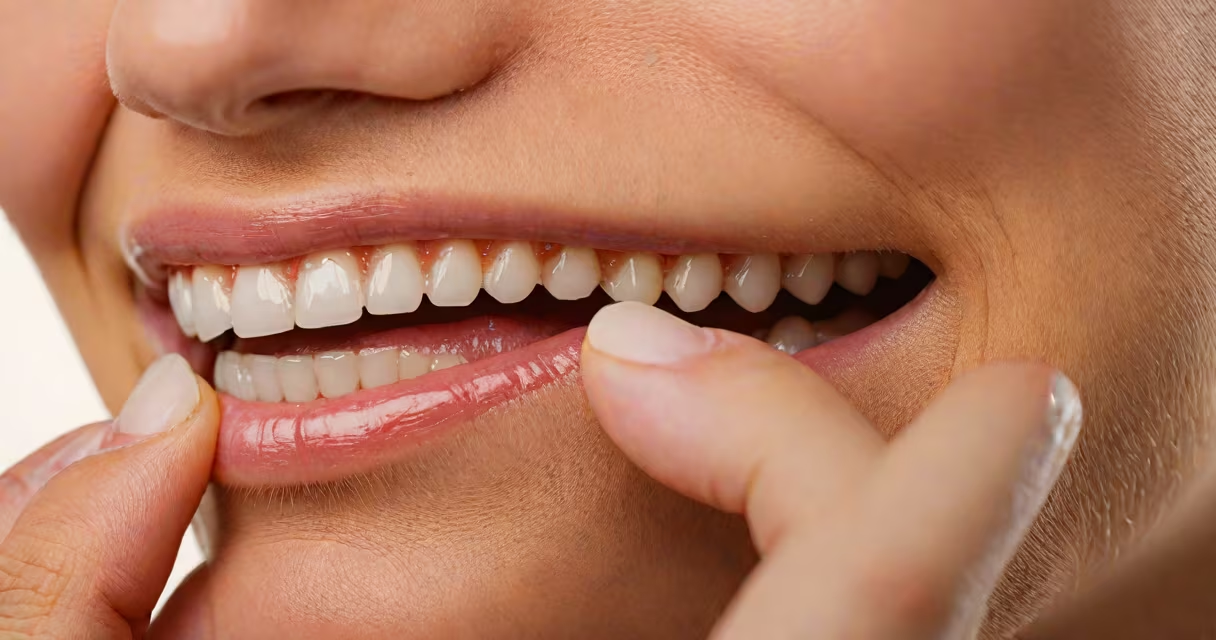
Tooth pain arises when nerves inside the tooth or surrounding tissues are irritated, inflamed, or damaged. It can stem from decay, trauma, gum disease, or even referred pain from other areas. The sensation varies-sharp, dull, throbbing, or constant-and often signals a problem needing attention.
Tooth pain results from stimulation of the trigeminal nerve, which runs through the jaw and sends signals to the brain. When the protective layers of the tooth-enamel or cementum-are compromised, stimuli like cold, heat, sugar, or pressure reach the pulp, where nerves reside. This triggers pain perception. According to the American Dental Association, untreated dental caries affect nearly 90% of adults by age 60, making decay the most common cause of tooth pain.
Pain can also originate outside the tooth. For example, temporomandibular joint (TMJ) disorders may mimic toothache, especially when pain radiates to molars. A 2021 study in the Journal of Oral Rehabilitation found that 30% of patients reporting tooth pain had no dental pathology-diagnoses included TMJ dysfunction, sinusitis, or referred cardiac pain. Misdiagnosis is common, which underscores the need for professional evaluation.
Pain begins when a stimulus reaches nerve endings in the dentin-the layer beneath enamel. Dentin contains microscopic tubules that transmit temperature, pressure, and chemical changes to the pulp. When these tubules are exposed due to enamel wear or gum recession, external stimuli trigger sharp, sudden pain.
For example, drinking ice water after brushing can cause a jolt of pain if the root surface is exposed. This is called dentin hypersensitivity. The National Institute of Dental and Craniofacial Research estimates that 1 in 3 adults experiences this condition, often worsened by aggressive brushing or acidic foods.
Chronic pain may indicate deeper issues. An abscess forms when infection spreads to the tooth's root tip, causing swelling, pus, and persistent throbbing. Left untreated, it can lead to bone loss or systemic infection. The CDC reports that oral infections contribute to 1 in 10 hospitalizations for sepsis in adults over 40.
Not all tooth pain feels the same. The nature of the pain-timing, location, duration-helps identify the underlying issue.
| Pain Type | Typical Cause | Duration & Pattern | Red Flags |
|---|---|---|---|
| Sharp, sudden | Dentin hypersensitivity, cracked tooth | Seconds, triggered by cold/sugar | Recurring after eating sweets |
| Throbbing, constant | Tooth decay, abscess, infection | Hours, worse at night | Swelling, fever, foul taste |
| Dull ache, radiating | TMJ disorder, sinus pressure | Day-long, may shift sides | No visible tooth damage |
Enamel erosion is a frequent but overlooked cause. Acidic foods (soda, citrus), acid reflux, or teeth grinding (bruxism) wear down enamel over time. Once gone, the dentin is vulnerable. A 2020 study in the Journal of Clinical Dentistry showed that people who grind their teeth at night lose 0.2 mm of enamel per year-enough to expose dentin in under five years.
Gum recession exposes roots, leading to sensitivity and increased risk of decay. This often occurs in people with poor flossing habits or those using hard-bristled toothbrushes. The American Academy of Periodontology notes that 47% of adults aged 30+ have some form of periodontal disease, with receding gums as a primary symptom.
Tooth pain lasting more than 48 hours, worsening at night, or accompanied by swelling requires immediate care. These signs suggest infection or abscess. Delaying treatment increases the risk of tooth loss and spread of bacteria to other parts of the body.
I once treated a patient whose "toothache" turned out to be a fractured molar caused by undiagnosed bruxism. He'd been grinding his teeth during sleep for years. The fracture extended into the pulp, requiring root canal therapy. His pain was constant, not triggered by food-but he assumed it was a cavity. This case highlights how pain patterns matter more than assumptions.
Some conditions mimic tooth pain but aren't dental. Sinus infections can cause pressure in upper molars, especially when bending forward. Heart attacks sometimes present as jaw pain-often on the left side. The American Heart Association warns that jaw pain is a less common but real symptom of myocardial infarction, particularly in women.
Many assume all tooth pain comes from cavities. But cavities don't always hurt-early decay may be silent until it reaches the pulp. Conversely, sensitivity doesn't mean decay. It can result from enamel thinning or gum recession.
Another error: self-diagnosing with online tools. A 2022 survey by the Pew Research Center found that 64% of adults used internet searches to assess health concerns. Yet only 37% correctly identified the cause of their tooth pain. Over-reliance on symptom checkers leads to delayed care or unnecessary anxiety.
Finally, many believe rinsing with mouthwash cures pain. Mouthwashes with alcohol can irritate exposed dentin and dry out tissues, worsening sensitivity. The ADA recommends alcohol-free rinses for sensitive teeth, and avoidance of acidic mouthwashes altogether.
Use a soft-bristled toothbrush and brush gently in circular motions. Aggressive scrubbing wears down enamel and gums. Brush twice daily for two minutes, using fluoride toothpaste. Fluoride strengthens enamel and reduces decay risk by up to 40%, according to the CDC.
Avoid acidic drinks and snacks. Sodas contain phosphoric acid, which dissolves enamel. Even fruit juices have enough citric acid to erode surfaces over time. If you consume them, rinse your mouth with water afterward.
For temporary relief, apply clove oil to the affected area. Its eugenol content acts as a natural anesthetic. Apply a drop with a cotton swab. Avoid swallowing it. This won't fix the root cause but can reduce discomfort while waiting for a dentist appointment.
If pain persists despite home care, schedule a visit. Early intervention prevents minor issues from becoming major procedures. A single cavity caught early may require only a small filling. If left, it can progress to a root canal or extraction.