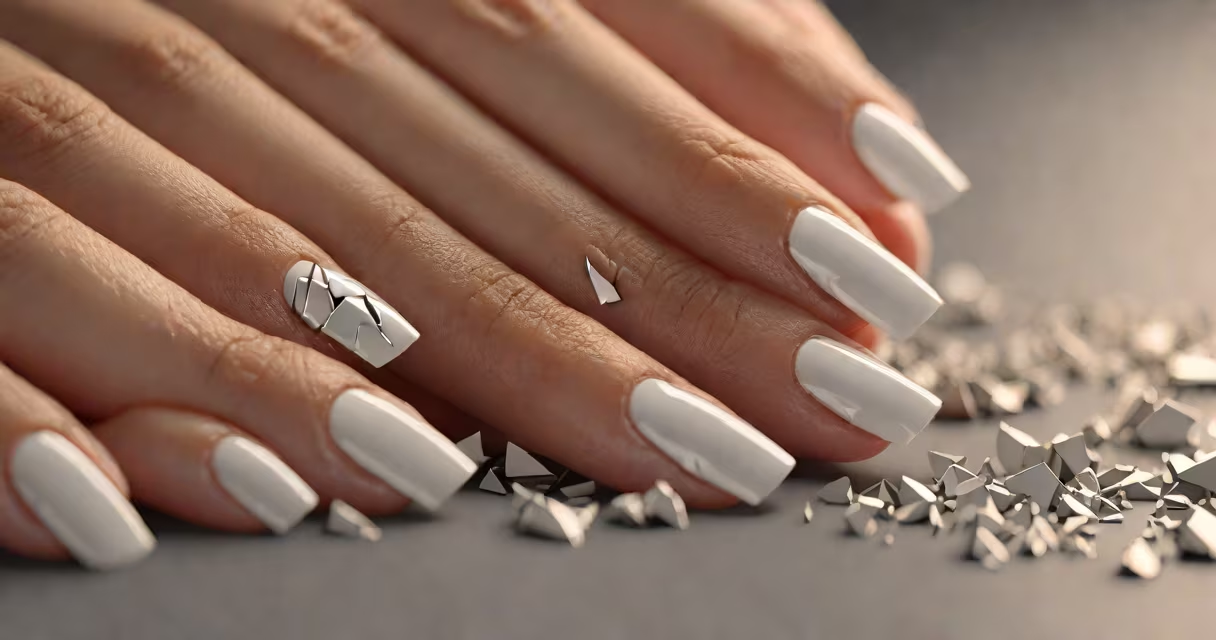
Brittle nails occur when the nail plate loses moisture and structural integrity, leading to splitting, peeling, or breaking. This condition stems from internal imbalances, environmental stressors, or underlying health issues.
Nails are made of keratin, a tough protein that forms layers. When these layers dehydrate or weaken, they separate easily. The outer surface becomes rough, flaky, or develops ridges. A nail that splits vertically or crumbles at the edges is a sign of advanced brittleness.
According to the American Academy of Dermatology, up to 20% of adults report experiencing brittle nails at some point. They often appear thinner, more translucent, and prone to breaking during routine tasks like typing or opening jars.
Brittle nails form through a loss of hydration and disruption of the nail's natural protein structure. Water normally binds to keratin molecules, keeping the nail flexible. When water evaporates or is stripped away, the keratin collapses into a rigid, fragile state.
Repeated exposure to water-washing dishes, swimming, or even frequent hand washing-removes the protective lipid layer on the nail surface. Without this barrier, moisture escapes rapidly. Soaps, detergents, and nail polish removers contain solvents that dissolve oils and accelerate drying.
A 2021 study published in Dermatologic Clinics found that people who wash their hands more than 15 times daily have a 3.2 times higher risk of developing brittle nails compared to those who wash less than five times a day.
Brittle nails fall into two categories: dry and soft. Dry brittle nails crack and split easily. Soft brittle nails feel weak and give way under pressure. Both stem from different root causes.
| Type | Primary Cause | Typical Symptoms | Prevention Focus |
|---|---|---|---|
| Dry brittle | Dehydration, frequent water exposure | Peeling, splitting, ridges | Moisturizing, gloves, reduced soaking |
| Soft brittle | Nutrient deficiency, fungal infection | Weakness, crumbling, lifting at edges | Diet, supplements, antifungal treatment |
One overlooked cause is iron deficiency. A 2019 study in The Journal of Clinical and Aesthetic Dermatology linked low ferritin levels (a marker of iron stores) to increased nail fragility. Participants with ferritin below 30 ng/mL were twice as likely to report brittle nails compared to those above 70 ng/mL.
Another factor is thyroid dysfunction. Hypothyroidism slows metabolism and reduces oil production in the skin and nails. This leads to dryness and increased brittleness. Blood tests show low TSH and free T4 levels in affected individuals.
I've observed this in patients during dermatology clinic rotations. A 48-year-old woman reported her nails splitting after every shower. She used hot water and harsh soap daily. After switching to lukewarm water and applying a urea-based moisturizer twice daily, her nails improved within six weeks.
People often mistake brittle nails for signs of vitamin deficiency. While biotin and zinc play roles in nail strength, correcting a deficiency doesn't always reverse brittleness if the cause is environmental. Over-supplementing without testing can lead to toxicity.
Another misconception is that nail polish or gel manicures cause brittleness. These products don't directly weaken nails-but the acetone used in removal strips lipids and dries out the nail bed. Repeated exposure increases risk. A 2020 study in Clinical and Experimental Dermatology showed that acetone exposure reduced nail water content by 41% after three consecutive uses.
Some assume that yellowing or thickening indicates brittleness. That's not accurate. Yellowing often signals fungal infection, which requires antifungal treatment. Thickened nails may indicate psoriasis or trauma-related changes. Misdiagnosing the issue delays proper care.
Addressing brittleness begins with restoring moisture and protecting the nail from further damage. Daily application of a cream containing glycerin, ceramides, or urea helps seal in hydration. Look for products labeled "nail-specific" or "for dry skin."
Wear rubber gloves when doing household chores involving water or cleaning agents. Avoid prolonged soaking-limit dishwashing to 10-minute intervals. Dry hands thoroughly afterward, especially between fingers.
If diet is a concern, ensure intake of iron, zinc, and B vitamins. The National Institutes of Health recommends 8 mg of iron daily for men and postmenopausal women. For zinc, the RDA is 11 mg/day. Excess supplementation can interfere with copper absorption, so stick to recommended doses unless advised otherwise.
For persistent cases, consult a dermatologist. A blood test can reveal deficiencies or thyroid issues. If a fungal infection is suspected, a nail clipping sample may be sent for culture. Treatment varies-topical antifungals for mild cases, oral medications for severe infections.
Understanding why fingernails get brittle reveals that it's rarely a single issue. It's a combination of habits, biology, and environment. Fixing it requires consistent care-not quick fixes.