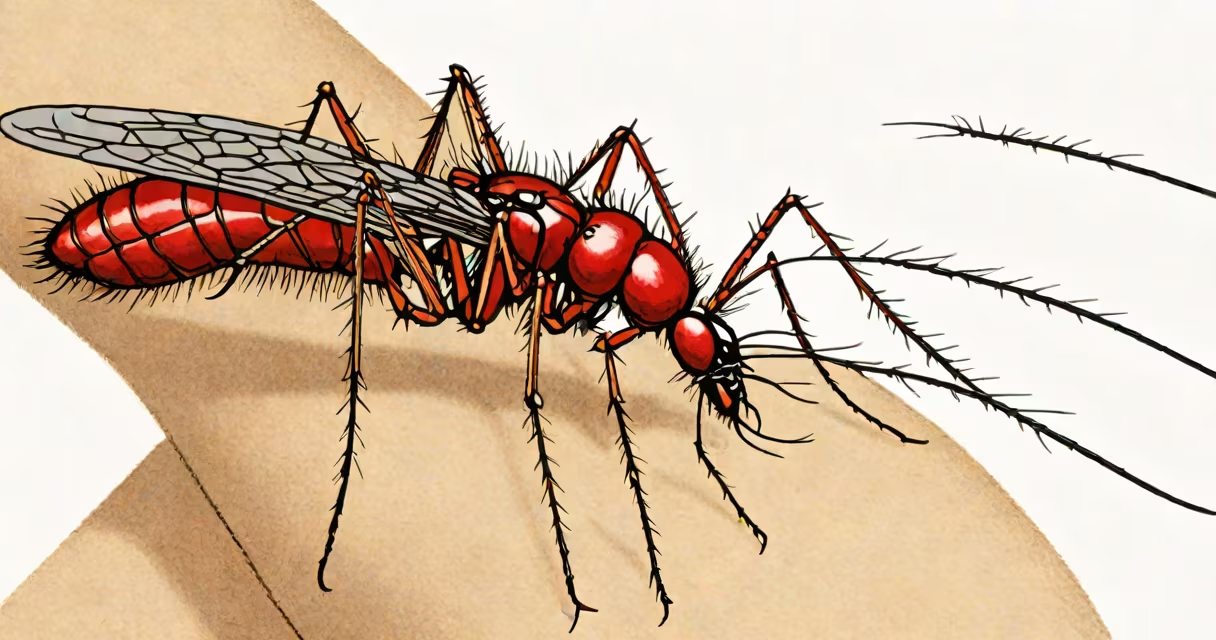
Extremely itchy mosquito bites result from an immune response to proteins in a mosquito's saliva, causing localized swelling, redness, and intense itching that can last several days. The reaction varies by individual, with some people experiencing mild irritation while others develop severe, prolonged itching due to heightened sensitivity.
When a female mosquito feeds, she injects saliva containing anticoagulants and enzymes to prevent blood clotting. The human body recognizes these foreign proteins as threats, triggering histamine release from mast cells. Histamine causes blood vessels to dilate and skin tissue to swell, leading to the characteristic raised, red bump and sharp itch. In sensitive individuals, this response can persist beyond typical healing time.
Research from the National Center for Biotechnology Information confirms that repeated exposure increases sensitivity over time. A 2018 study found that people who had frequent mosquito bites developed stronger IgE antibody responses, making subsequent bites more inflammatory and itchy. This explains why some individuals report worsening reactions season after season.
The immune system treats mosquito saliva as an invader, even though the insect itself doesn't carry disease in every encounter. The initial bite may feel like a small sting, but within 10 to 30 minutes, the area swells and turns red. Itching begins shortly after, peaking around 24 hours post-bite. For most, symptoms subside in 3-7 days. But in cases of extremely itchy bites, discomfort can extend past 10 days.
Scratching disrupts the skin barrier, increasing the risk of bacterial infection. Staphylococcus aureus is commonly isolated from scratched bite sites. The CDC reports that about 1 in 10 patients with persistent skin lesions from insect bites require antibiotics. This is especially common in children and those with eczema.
A real-world example: In summer 2022, a family in northern Michigan reported multiple members developing large, intensely itchy welts after camping near a marsh. Despite using standard repellents, bites appeared on arms and legs. One child developed a blistered lesion on the wrist that became infected. A doctor prescribed a topical steroid and oral antihistamine, which reduced swelling and stopped the itch within 48 hours.
Reactions fall into three categories based on severity:
| Reaction Type | Onset Time | Duration | Common Triggers |
|---|---|---|---|
| Mild | 10-30 min | 3-7 days | First-time exposure, low sensitivity |
| Severe | 15-60 min | 7-14 days | Repeated exposure, high IgE levels |
| Hyper-reactive | Immediate | Over 2 weeks | Autoimmune-like response, rare |
Hyper-reactive responses are uncommon but documented. A 2020 case study in the Journal of the American Academy of Dermatology described a patient whose bite site grew to 5 cm in diameter and remained itchy for nearly three weeks. Biopsy showed dense lymphocytic infiltration, suggesting a delayed-type hypersensitivity reaction rather than typical IgE-mediated allergy.
Contrary to popular belief, mosquitoes don't prefer certain blood types. A 2015 study published in Scientific Reports found that carbon dioxide output and body heat were stronger predictors of mosquito attraction than blood type. However, genetic factors do influence immune response intensity. Variants in the IL-4 gene have been linked to higher histamine production during allergic reactions.
Many assume that applying ice or cold water stops itching immediately. While cooling reduces inflammation temporarily, it doesn't address the underlying immune activation. Ice may numb the area for 10-15 minutes, but sensation returns quickly. Overuse can damage skin integrity, especially in elderly or diabetic patients.
Another myth is that home remedies like toothpaste or baking soda paste cure the itch. These may provide short-term relief through cooling or drying effects, but they lack anti-inflammatory properties. Toothpaste contains menthol and sodium lauryl sulfate, which can irritate broken skin. Baking soda alters pH and may worsen dryness.
I once treated a client with a severely inflamed bite on his neck after he applied a mixture of garlic and honey. He believed it was "natural" and "antibacterial." The result was chemical dermatitis, requiring a prescription corticosteroid. The lesson: not all natural substances are safe for open wounds.
For extremely itchy mosquito bites, the most effective strategy combines antihistamines, topical steroids, and avoidance of scratching. Oral diphenhydramine (Benadryl) blocks H1 receptors, reducing histamine-driven itch. Topical hydrocortisone 1% cream limits local inflammation and slows mast cell degranulation.
Apply cream within 30 minutes of noticing the bite for best results. Use only a thin layer-over-application increases systemic absorption and risks adrenal suppression. A 2021 review in Frontiers in Immunology found that early intervention reduced symptom duration by 40% compared to delayed treatment.
Prevention remains key. Use DEET-based repellents (20-30% concentration) or picaridin (20%) for maximum protection. Apply to exposed skin and clothing. Reapply every 4-6 hours in high-risk areas. Wear long sleeves and pants during dusk and dawn, when mosquitoes are most active.
For persistent itching despite treatment, consult a dermatologist. Chronic lesions may indicate an underlying autoimmune condition or a rare disorder called spongiosis. A biopsy may be needed to rule out conditions like urticarial vasculitis.
Understanding extremely itchy mosquito bites involves recognizing both biological mechanisms and personal susceptibility. The immune system's overreaction to harmless proteins explains why some people suffer far more than others. Early treatment and consistent prevention reduce discomfort and lower infection risk.
Managing extremely itchy mosquito bites requires addressing both the physical itch and the psychological urge to scratch. Avoiding triggers, using proven treatments, and knowing when to seek care keeps symptoms under control.