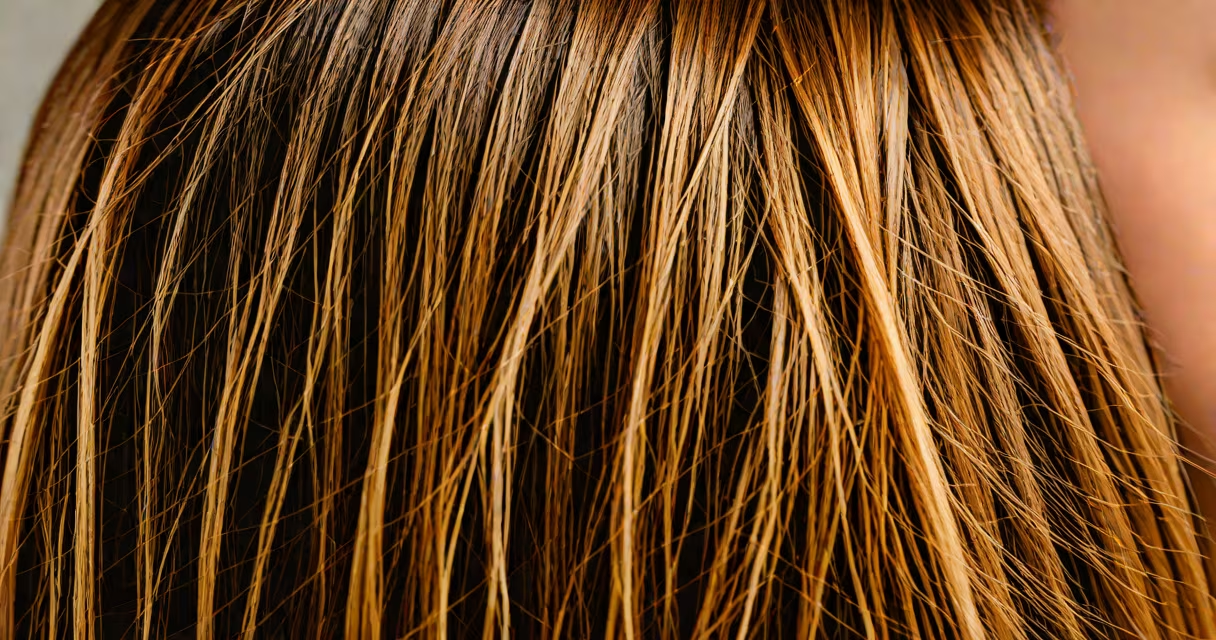
Female hair fall occurs when the normal hair growth cycle is disrupted, leading to increased shedding or visible thinning. This happens due to hormonal changes, stress, nutritional gaps, or underlying medical conditions. The process typically involves more hairs entering the resting phase (telogen) than usual, resulting in noticeable loss during washing or brushing.
Hair follicles go through three phases: anagen (growth), catagen (transition), and telogen (resting). Normally, about 85% of scalp hairs are in the anagen phase, and 10-15% are in telogen. When this balance shifts, shedding increases. A typical person sheds 50-100 hairs daily. Losing more than that consistently signals a disruption.
Common triggers include pregnancy, childbirth, menopause, thyroid disorders, iron deficiency, and high-stress events. These factors push more follicles into telogen prematurely, causing temporary or prolonged shedding. The condition is often reversible once the trigger is addressed.
The scalp hosts around 100,000 hair follicles. Each follicle cycles through growth, regression, and rest. When external or internal stressors affect hormone levels or cellular health, the cycle shortens. Follicles spend less time in the growth phase and more in resting or shedding mode.
For example, after childbirth, estrogen levels drop sharply. This sudden shift pushes many follicles into telogen within weeks. Shedding peaks 2-4 months postpartum and may last up to six months. Most women see regrowth within a year, but some experience persistent thinning.
Chronic telogen effluvium can develop from ongoing stress, poor diet, or undiagnosed conditions like hypothyroidism. Blood tests reveal low ferritin (iron stores) in up to 30% of women with unexplained hair loss, according to the American Academy of Dermatology Association (AAD).
Not all hair fall is the same. Different patterns and causes require distinct approaches.
| Type | Trigger | Typical Timeline | Recovery Time |
|---|---|---|---|
| Postpartum shedding | Drop in estrogen after delivery | 2-4 months post-birth | 6-12 months |
| Stress-related telogen effluvium | Surgery, illness, emotional trauma | 3-6 months after event | 6-12 months |
| Androgenetic alopecia | Genetics + DHT sensitivity | Gradual thinning over years | Long-term management needed |
| Nutritional deficiency | Low iron, vitamin D, zinc | Months to years | 3-6 months with supplementation |
Androgenetic alopecia, or female pattern hair loss, affects about 30% of women by age 50. It begins with thinning at the part line and progresses to diffuse thinning across the crown. Unlike male pattern baldness, it rarely leads to complete baldness.
A key distinction: sudden, widespread shedding is usually telogen effluvium. Slow, progressive thinning suggests androgenetic alopecia. Misdiagnosis is common-many women assume they have "stress hair loss" when the issue is actually genetic or hormonal.
Many believe shampooing causes hair fall. That's false. Shampooing brings loose hairs to the surface-but doesn't cause them to fall out. The hair was already in the shedding phase.
Another myth: "I'm losing too much hair because I don't wash my scalp enough." Scalp hygiene matters for sebum control and infection prevention, but it doesn't prevent telogen effluvium or androgenetic alopecia.
One overlooked factor: medications. Birth control pills, antidepressants, blood pressure drugs, and even some acne treatments can contribute to hair fall. A 2021 study in the Journal of Clinical and Aesthetic Dermatology found that 14% of women reporting hair loss were taking a medication linked to shedding.
I once saw a patient who lost half her hair after switching from a generic birth control pill to a brand-name version. Her doctor dismissed it as anxiety. Blood work showed normal hormones but low ferritin. After adjusting her medication and adding iron supplements, her hair stabilized in four months.
If you're shedding more than 100 hairs daily for over three months, consult a dermatologist. Blood tests for iron, ferritin, thyroid-stimulating hormone (TSH), and vitamin D are standard. A scalp biopsy may be needed if patterns suggest scarring alopecia.
Treatment depends on the root cause. For iron deficiency, oral iron (e.g., ferrous sulfate) at 65 mg elemental iron daily is effective. A 2020 study in the British Journal of Dermatology showed 78% of women with low ferritin regained hair density after 6 months of treatment.
Topical minoxidil 5% is FDA-approved for female pattern hair loss. It works by prolonging the anagen phase. Results appear after 4-6 months, with continued use required to maintain gains.
For stress-induced shedding, managing cortisol levels through sleep, nutrition, and therapy helps. Mindfulness practices reduced perceived stress and improved hair metrics in a 2019 pilot study.
Addressing the cause early prevents permanent miniaturization of follicles. Once follicles shrink and stop producing visible hair, recovery becomes unlikely.
Understanding why female hair falls out begins with recognizing it's not a cosmetic issue-it's a biological signal. Hormonal shifts, nutrient gaps, or chronic stress disrupt the hair cycle. Identifying the trigger allows targeted action. If shedding persists beyond six months, seek professional evaluation.
Recognizing the difference between temporary shedding and long-term thinning guides treatment. Postpartum and stress-related fall often resolve on their own. Genetic or hormonal causes require intervention. Early diagnosis improves outcomes.