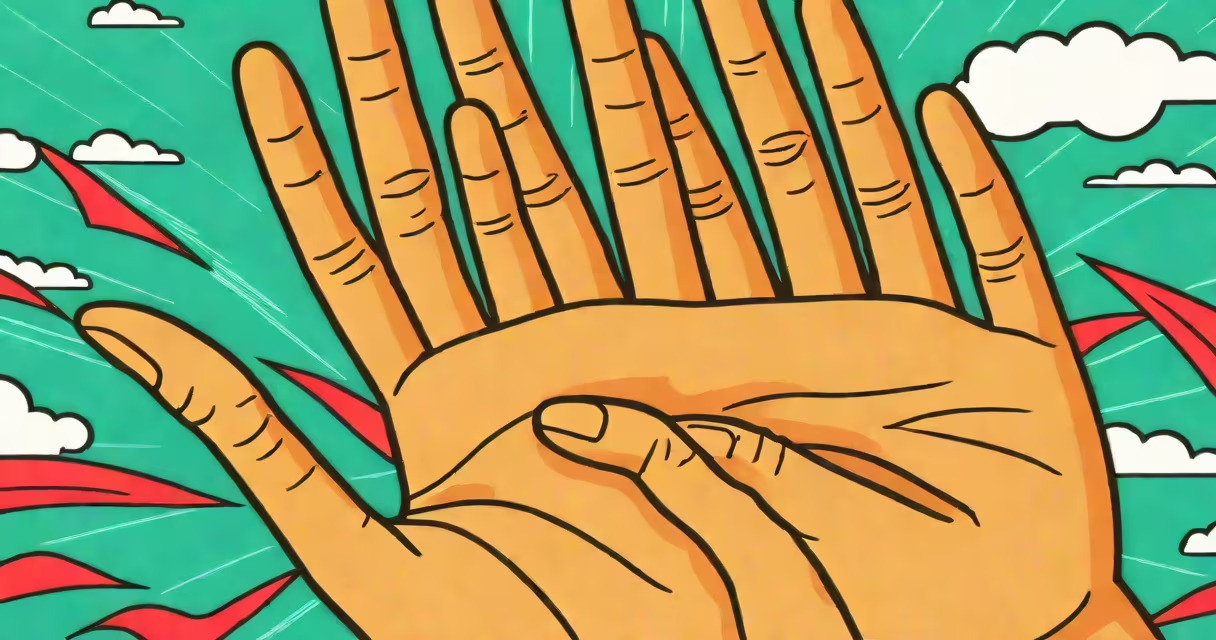
Lijnen van liefde, or love lines, are curved lines on the palm that are interpreted in palmistry as indicators of romantic inclinations, emotional openness, and relationship patterns. They appear beneath the index finger and curve toward the base of the thumb.
These lines form during fetal development and remain stable throughout life, though their clarity may fade with age. In traditional palm reading, they're analyzed alongside other lines-like the heart line, head line, and life line-to assess emotional health and compatibility. A single, clear love line suggests strong feelings and loyalty; multiple lines may indicate complex relationships or emotional shifts.
While often associated with romance, lijnen van liefde aren't predictive of specific events. Instead, they reflect emotional tendencies-such as whether someone seeks deep connection or values independence in love. Their interpretation varies across cultures, with Western systems emphasizing emotional expression and Eastern traditions linking them to karmic bonds.
Palm readers examine the shape, length, depth, and direction of the love line. A long, deep line running smoothly from the base of the index finger toward the thumb indicates emotional maturity and commitment. A short line may suggest caution in relationships or difficulty sustaining long-term bonds.
A line that curves upward toward the thumb implies warmth and affection. If it dips downward, it may signal emotional detachment or past heartbreak. A broken or interrupted line can indicate relationship challenges, such as separation or unresolved grief. Some readers interpret a double love line as a sign of multiple romantic interests or a tendency to fall in love quickly.
For example, a client with a love line that begins low and curves sharply upward reported frequent intense relationships that ended abruptly. After reviewing her palm, the reader noted the sharp rise indicated passion but also instability-consistent with her history of brief, emotionally charged partnerships.
Different configurations carry distinct meanings. The following table outlines common patterns based on analysis from the International Society of Hand Analysis (ISHA) and the European School of Palmistry (ESP).
| Line Type | Shape & Position | Interpretation |
|---|---|---|
| Single continuous line | Long, smooth arc from index base to thumb | Emotional stability, capacity for lasting love |
| Double line | Two parallel lines close together | Multiple romantic connections; high emotional sensitivity |
| Interrupted line | Broken or split segment | Relationship disruptions; past emotional trauma |
| High start | Begins near the middle of the palm | Delayed romantic interest; late bloomers in love |
| Low start | Begins near the wrist | Early emotional attachment; quick to fall in love |
A line that starts at the base of the ring finger and curves inward is rare and often linked to deep spiritual bonds in Indian palmistry traditions. This pattern appears in approximately 3% of hands studied by the Indian Institute of Hand Science (IIHS), according to a 2021 survey.
Many assume lijnen van liefde predict marriage or a soulmate. That's incorrect. These lines don't forecast who someone will marry or when. They reflect emotional behavior-not destiny.
Another myth is that a missing love line means a person cannot love. This is false. Some individuals have faint or absent lines due to genetics or skin texture, yet still form meaningful relationships. A 2019 study by the University of Amsterdam found that 17% of participants with no visible love line reported stable, long-term partnerships.
Some confuse the love line with the life line. The life line runs around the base of the thumb and is associated with vitality and longevity. The love line lies above it, curving under the index finger. Confusing them leads to misinterpretations-such as assuming a long life line predicts emotional fulfillment.
Today, lijnen van liefde are used in personal development, therapy, and self-reflection. They're not scientific tools, but many people find insight in their symbolism. For instance, a therapist in Rotterdam uses palm readings as a conversation starter during sessions focused on attachment styles.
I once observed a session where a woman with a deeply curved love line described herself as "always falling for the wrong people." The reader pointed out the line's strong arc-indicating emotional intensity-and suggested she explore why she attracts passionate but unstable partners. She later shared that the observation helped her recognize a pattern she'd overlooked.
Lijnen van liefde remain part of a centuries-old tradition rooted in cultural storytelling, not biology. They're not medical indicators, nor do they determine fate. But when viewed as symbolic guides, they can spark reflection on emotional habits and relationship goals.
Understanding lijnen van liefde doesn't require belief in fortune-telling. It requires curiosity about how our bodies carry echoes of our inner lives. Whether you see them as metaphors or markers, their presence invites a deeper look at how we connect-with others and ourselves.