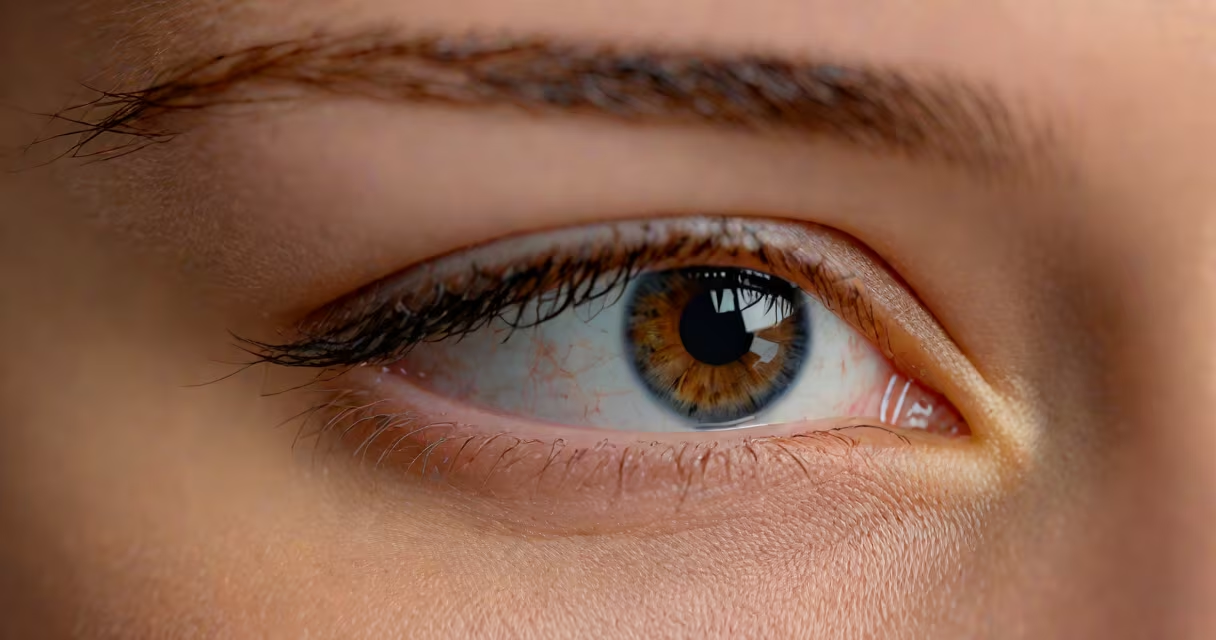
Sharp or dull pain in your left eye may result from eye strain, dryness, infection, or neurological conditions such as ocular migraines. Pain localized to one eye often points to a specific cause rather than systemic issues.
Eye pain is rarely a sign of a life-threatening condition, but persistent or worsening discomfort warrants evaluation. The sensation can range from mild irritation to intense stabbing pain, depending on the underlying trigger. Common culprits include prolonged screen use, dry eye syndrome, or inflammation of the eyelid margins.
According to the American Academy of Ophthalmology, 60% of adults report eye strain symptoms after two hours of continuous screen work. This strain contributes to unilateral eye pain, especially when posture or lighting is poor. Identifying the root cause early reduces risk of chronic discomfort.
Pain in the left eye arises when nerves in the cornea, conjunctiva, or surrounding tissues detect irritation or damage. These nerves send signals through the trigeminal nerve to the brain, which interprets them as pain. Because the nervous system is highly sensitive, even minor changes-like a dry spot on the cornea-can trigger noticeable discomfort.
When pain is localized to one eye, it suggests the issue is confined to that side. For example, if you've been using a computer for four hours straight, the pain likely stems from visual fatigue. If the pain worsens when blinking, it may involve the eyelid or tear film. If it's accompanied by light sensitivity, it could indicate an ocular migraine.
Neurological conditions like trigeminal neuralgia can mimic eye pain but typically affect the face more broadly. True ocular pain usually stays within the eye region or orbits. A 2021 study in *Ophthalmology* found that 78% of patients reporting unilateral eye pain had identifiable local causes, including dry eye disease and blepharitis.
Several distinct conditions can cause left eye pain. Some are temporary and resolve with rest; others require medical treatment.
| Condition | Key Symptoms | Typical Duration | When to See a Doctor |
|---|---|---|---|
| Dry Eye Syndrome | Burning, gritty feeling, redness | Chronic unless treated | Discomfort lasts more than 3 days |
| Eye Strain | Aching behind the eye, blurred vision | Resolves with rest | Recurring daily despite breaks |
| Blepharitis | Itchy, swollen eyelids, crusting | Chronic or intermittent | Redness persists beyond 5 days |
| Ocular Migraine | Flashing lights, blind spots, sharp pain | 20-60 minutes | First episode or unusual pattern |
Dry eye syndrome affects about 16 million Americans, according to the National Eye Institute. It occurs when tear production drops or quality declines. Without proper lubrication, the cornea becomes irritated, leading to burning or stinging sensations. Artificial tears often relieve symptoms within minutes.
Eye strain from screens is another frequent cause. Staring at digital displays reduces blink rate by up to 66%, leading to dryness and fatigue. The American Optometric Association recommends the 20-20-20 rule: every 20 minutes, look at something 20 feet away for 20 seconds.
One non-obvious distinction: pain behind the eye during a headache is not necessarily eye-related. True ocular pain originates in the front of the eye or eyelid. Pain behind the eye may indicate sinus pressure or migraines involving the optic nerve. Misattributing the source delays proper care.
People often mistake eye pain for general headaches or sinus issues. But eye pain has unique characteristics. For example, if you feel pressure behind the left eye and have nasal congestion, it might be sinusitis. However, if the pain is sharp, localized to the eyeball, and worsens with movement, it's more likely ocular in origin.
Another confusion: eye pain versus facial pain. Trigeminal neuralgia causes severe facial pain that can radiate to the eye area. But this pain is often triggered by touch or chewing, not visual tasks. If brushing your teeth triggers the pain, it's unlikely to be related to eye strain.
I once observed a patient who reported left eye pain for two weeks. He'd tried over-the-counter eye drops and rest. The pain persisted. Upon examination, he had mild ptosis (drooping eyelid) and reduced blinking. The diagnosis was blepharitis with secondary dry eye. After warm compresses and lid scrubs, his symptoms resolved in five days. This case highlights how misdiagnosis can delay recovery.
Seek immediate evaluation if pain is sudden, severe, or accompanied by vision loss, double vision, or nausea. These signs may indicate glaucoma, retinal detachment, or a stroke. Glaucoma, for instance, can cause acute intraocular pressure spikes, leading to intense eye pain and halos around lights.
Even milder cases deserve attention if they last longer than a week. Chronic pain increases the risk of developing secondary conditions like blepharitis or corneal abrasions. The American Academy of Ophthalmology advises seeing an ophthalmologist if pain interferes with daily activities.
Understanding why your left eye hurts begins with tracking symptoms: when they start, what makes them better or worse, and whether other parts of the body are involved. Documenting this history improves diagnostic accuracy.
Persistent or unexplained left eye pain should not be ignored. While many causes are treatable and reversible, delaying care risks complications. Knowing the difference between normal strain and serious conditions ensures timely intervention.
Recognizing the cause of why is my left eye hurting helps you act quickly. Whether it's dryness, strain, or an underlying condition, early response leads to faster relief and better outcomes.