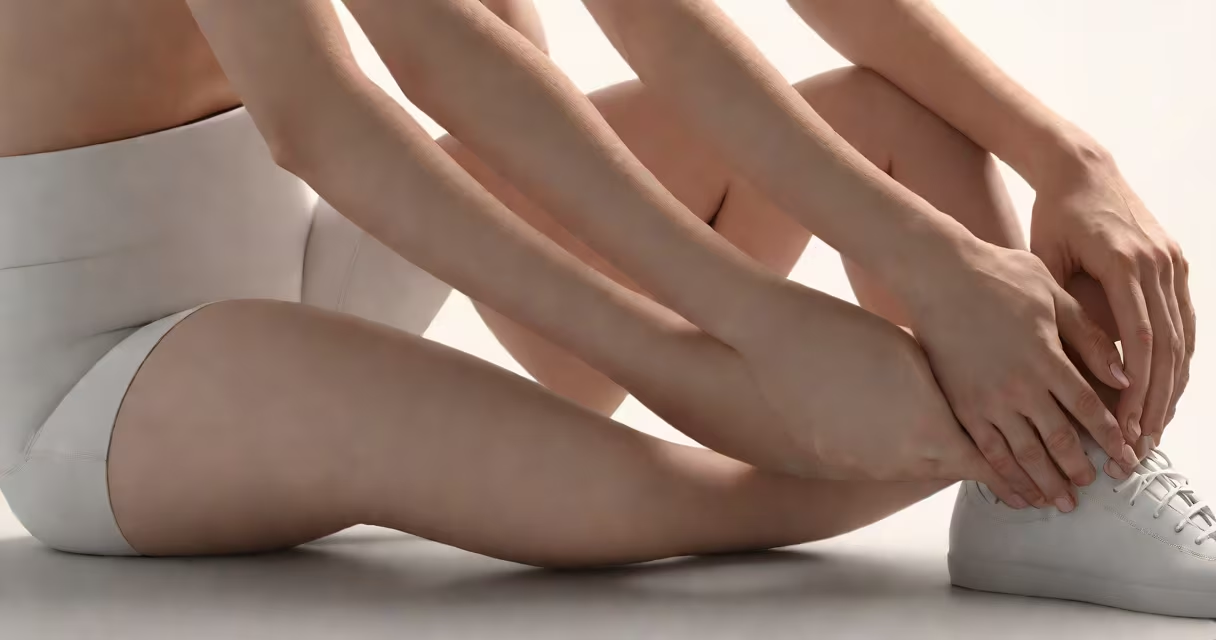
What if your knees hurt? This question points to a physical sensation often rooted in overuse, structural misalignment, or injury affecting the knee joint's complex network of bones, ligaments, tendons, and cartilage. Pain may emerge during movement, rest, or weight-bearing tasks.
Knee pain arises when stress exceeds tissue tolerance. The knee joint bears 3-4 times body weight during walking and up to 8 times during running. Repetitive strain, sudden trauma, or biomechanical flaws can disrupt this balance. Common triggers include muscle imbalances, poor footwear, or underlying conditions like osteoarthritis.
Not all knee pain stems from the joint itself. Referred pain from hip or foot issues can mimic knee symptoms. A 2021 study in Journal of Orthopaedic & Sports Physical Therapy found that 30% of patients reporting knee pain had no structural damage on MRI - indicating pain may originate from neuromuscular control or nerve sensitivity rather than tissue breakdown.
Pain begins when mechanical stress exceeds tissue capacity. For example, a runner increasing weekly mileage from 10 to 30 miles without adaptation risks patellar tendon overload. This leads to microtears, inflammation, and pain - a condition known as patellar tendinopathy.
The knee relies on coordinated function between quadriceps, hamstrings, and hip stabilizers. Weak gluteal muscles force the femur to rotate inward during stride, increasing lateral pressure on the kneecap. This malalignment contributes to patellofemoral pain syndrome - the most common cause of anterior knee pain in runners.
Cartilage lacks nerves, so early wear doesn't trigger pain. But once the underlying bone becomes exposed, nociceptors fire, signaling pain. Osteoarthritis typically develops over years of joint loading, especially in individuals with prior injury or obesity.
Different patterns point to distinct origins. Pain behind the kneecap during stair climbing suggests patellofemoral syndrome. Sharp pain during pivoting or jumping may indicate meniscus tear. Aching along the inner knee during long runs often signals medial collateral ligament strain.
| Pain Location | Common Cause | Trigger Activity |
|---|---|---|
| Front of knee | Patellofemoral pain syndrome | Walking downstairs, squatting |
| Back of knee | Baker's cyst or hamstring strain | Running, sudden stops |
| Inner side | MCL sprain | Side impact, twisting motion |
| Outer side | Iliotibial band friction syndrome | Long-distance running |
One overlooked factor: footwear. A 2019 study in Foot & Ankle International showed that worn-out running shoes increase impact forces by 15% compared to new ones. This subtle shift alters gait mechanics and raises knee load over time.
Not all knee pain requires medical attention. Mild discomfort after exercise often resolves with rest and ice. But persistent pain lasting more than two weeks, swelling, instability, or inability to bear weight demands evaluation.
I experienced this firsthand while training for a half-marathon. After four weeks of consistent running, sharp pain developed on the outer knee during strides. Ignoring it worsened the ache. A physical therapist diagnosed iliotibial band syndrome - a condition caused by repetitive friction of the band over the femoral epicondyle. After two weeks of targeted stretching and strength work, pain resolved.
Red flags include locking, buckling, or audible popping. These suggest internal joint damage such as meniscus tear or ACL rupture. Delayed treatment increases risk of secondary joint degeneration. According to the American Academy of Orthopaedic Surgeons, untreated ACL tears lead to 70% higher odds of developing osteoarthritis within ten years.
Many assume knee pain always means cartilage damage. But cartilage doesn't feel pain - nerves reside in surrounding structures. Pain from a torn meniscus originates in the synovium or capsule, not the cartilage itself.
Another myth: "I must stop all activity." While rest helps acute inflammation, complete immobilization weakens muscles and delays recovery. The British Journal of Sports Medicine recommends graded return-to-activity programs even during pain, as controlled loading stimulates tissue repair.
Some believe pain relief means healing. But pain reduction via NSAIDs or injections doesn't equate to tissue recovery. A 2020 review in Arthritis & Rheumatology found that corticosteroid injections provide short-term relief but may accelerate cartilage loss over time.
If what if your knees hurt persists, consult a healthcare provider. Start with a physical therapist trained in musculoskeletal assessment. They can identify movement faults, prescribe exercises, and guide safe return to activity.
Can bones hurt? Yes - bone pain is deep, dull, and often worse at night or under pressure. Bone marrow contains nociceptors, unlike cartilage. If pain feels deep and constant, imaging may be needed to rule out stress fractures or infection.
Understanding what if your knees hurt begins with recognizing the difference between normal soreness and warning signs of injury. Early intervention preserves joint health and maintains mobility.