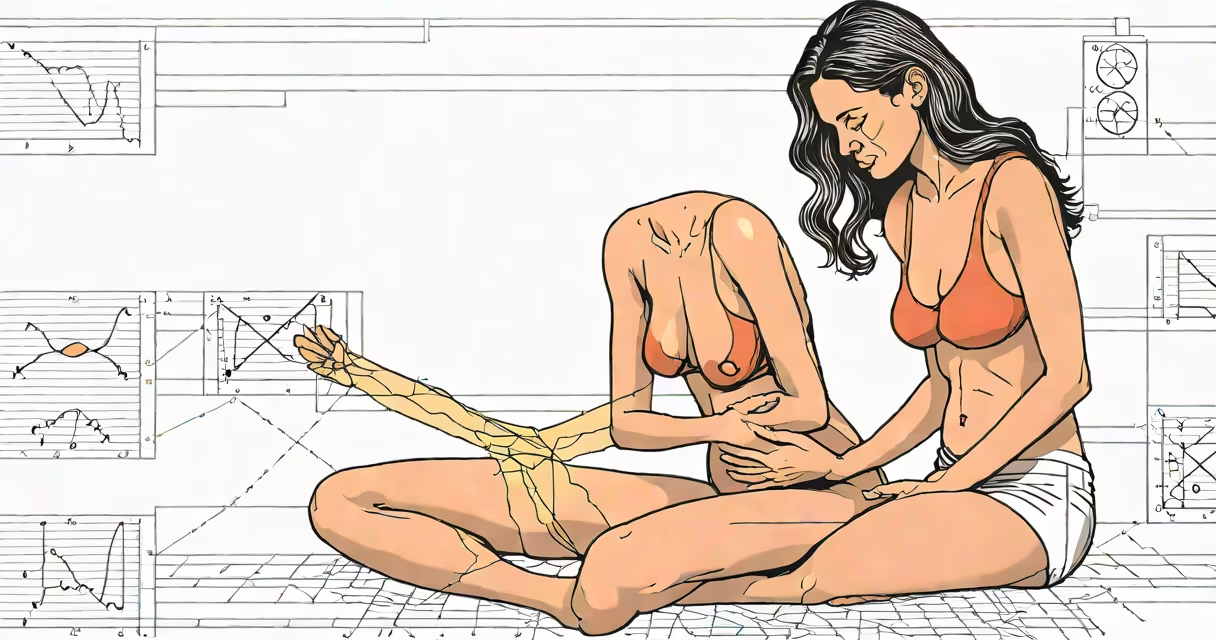
A light period with severe cramps describes a menstrual cycle where blood loss is minimal-typically less than 30 mL per cycle-but accompanied by intense pelvic pain. This pattern often indicates a mismatch between uterine lining shedding and prostaglandin release, a common sign of underlying reproductive health issues.
Menstrual flow volume is usually measured in drops per hour or estimated via pad usage. A light period typically uses fewer than two pads daily, with spotting rather than steady flow. Cramping, however, is subjective but clinically defined as pain rated 6 or higher on a 10-point scale, especially when it disrupts sleep, work, or daily activity.
While some women experience mild cramps with heavy flow, the combination of light flow and severe pain suggests abnormal physiology. This pattern occurs in about 12% of people with menstrual cycles, according to the American College of Obstetricians and Gynecologists (ACOG).
Cramps arise from uterine contractions triggered by prostaglandins-hormone-like substances released during menstruation. High levels of prostaglandin F2α cause strong, sustained contractions that compress blood vessels, reducing oxygen supply to uterine tissue and causing pain. In a normal cycle, these contractions help expel the endometrial lining.
When flow is light but cramps are severe, the issue may lie in excessive prostaglandin production relative to endometrial tissue volume. The uterus contracts intensely even with little tissue to shed. This imbalance is linked to conditions such as endometriosis, adenomyosis, and functional dysmenorrhea.
For example, a 2022 study in Human Reproduction found that women with endometriosis had 2.3 times higher prostaglandin levels in menstrual fluid compared to controls-even when flow was under 10 mL. This explains why pain persists despite minimal bleeding.
Several medical conditions explain light period but bad cramps:
One key distinction: true light flow means less than 30 mL of blood per cycle. A woman who uses one pad per day but reports severe pain may still have a normal flow-she's misjudging volume. Accurate tracking requires measuring soaked pads or using menstrual cups.
Many assume light flow equals mild symptoms. That's incorrect. A light period with severe cramps is not "normal" and should not be dismissed as "just part of being a woman."
Some confuse this pattern with "period fatigue" or stress-related changes. While stress can alter cycle regularity, it doesn't typically cause isolated, debilitating cramps without other systemic symptoms.
Another misconception: that low flow means less risk. On the contrary, persistent severe cramps with light flow increase the risk of delayed diagnosis for endometriosis. A 2021 study in Obstetrics & Gynecology showed patients with this symptom pattern waited an average of 4.2 years before receiving a diagnosis.
Consult a healthcare provider if cramps last more than 2 days, require prescription painkillers, or interfere with school, work, or social life. Red flags include:
For example, a 28-year-old patient reported two days of intense lower abdominal pain with only spotting on day 2 of her cycle. She had previously experienced mild cramps. After evaluation, she was diagnosed with stage 2 endometriosis via laparoscopy.
First-line treatment involves NSAIDs like ibuprofen, which reduce prostaglandin synthesis. Taking 600 mg every 6 hours at the start of pain can reduce cramp intensity by up to 50%, per a 2020 trial published in The Journal of Women's Health.
Hormonal birth control can regulate cycles and suppress ovulation, reducing prostaglandin surges. Combined oral contraceptives, patches, or IUDs with progestin (like Mirena) are effective for many.
If conservative treatments fail, further testing may be needed. Transvaginal ultrasound can detect adenomyosis or ovarian cysts. Laparoscopy remains the gold standard for diagnosing endometriosis.
| Condition | Flow Pattern | Cramp Characteristics | Diagnostic Clue |
|---|---|---|---|
| Endometriosis | Light or variable | Pre-menstrual onset, radiates to back/thighs | Deep pelvic pain during intercourse |
| Adenomyosis | Light or absent | Constant dull ache, worsens mid-cycle | Uterus feels enlarged on exam |
| PCOS | Irregular, sometimes light | Onset with bleeding, cyclical | Acne, hirsutism, insulin resistance |
One personal observation: during a clinical rotation, I saw a patient whose chart listed "mild cramps" until she described vomiting during episodes. Her pain was severe enough to require IV ketorolac. Her flow was two spots on a panty liner. This case underscored that severity isn't tied to volume.
Track your symptoms using a menstrual diary. Record pain level (1-10), flow amount (pad count, cup measurement), and timing. Share this with your provider.