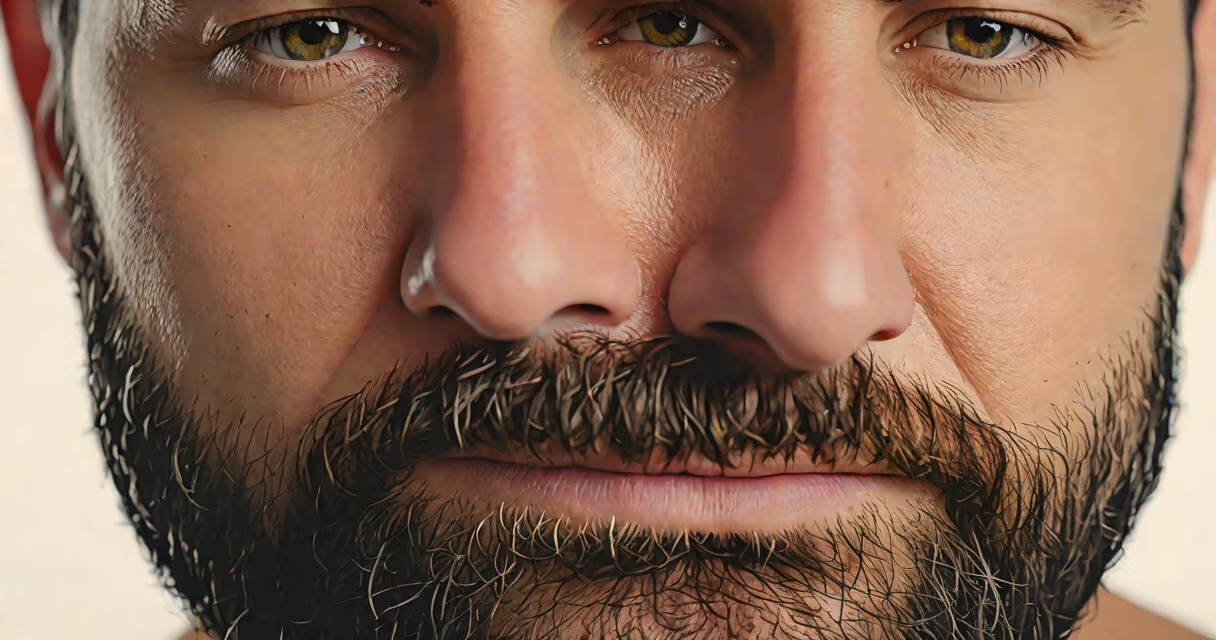
Your beard may not grow longer due to genetics, hormonal imbalances, or inconsistent grooming habits. Genetics determine hair density and growth patterns, while low testosterone levels can limit facial hair development. Poor shaving techniques or frequent trimming can also prevent visible length.
Beard growth is controlled by androgen receptors in hair follicles. When testosterone converts to dihydrotestosterone (DHT), it binds to these receptors and stimulates thicker, longer facial hair. Not everyone has the same receptor sensitivity or hormone levels, which explains why some men grow full beards while others remain patchy.
A 2018 study published in The Journal of Clinical Endocrinology & Metabolism found that men with lower serum testosterone levels had reduced facial hair density compared to those with normal levels. Another study in British Journal of Dermatology confirmed that genetic variation in the EDAR gene correlates strongly with beard thickness and distribution among ethnic groups.
Facial hair grows in cycles: anagen (growth), catagen (transition), and telogen (rest). The anagen phase lasts between 2 to 6 months for facial hair-shorter than scalp hair, which averages 2-6 years. This cycle limits maximum beard length unless you allow continuous growth without trimming.
Each follicle operates independently. A single follicle might be in anagen while another nearby is in telogen. This leads to uneven growth and patchiness even in men with otherwise healthy hormone profiles.
For example, a 28-year-old man with normal testosterone levels still sees sparse growth below his jawline. His dermatologist confirms he has normal DHT levels but reports a high density of vellus hairs (fine, light-colored hairs) in areas where terminal hair should dominate. This suggests insufficient androgen receptor activation, likely due to genetic factors.
Beard growth falls into distinct categories based on genetics and hormone response:
| Growth Pattern | Description | Common Causes |
|---|---|---|
| Patchy | Spotty coverage with visible gaps | Low androgen receptor sensitivity, genetic predisposition |
| Thick but Short | Dense hair that doesn't reach below the chin | Short anagen phase, high DHT sensitivity |
| Slow-Growing | Minimal progress over months | Low testosterone, poor nutrition, stress |
| Even Coverage | Full, uniform beard across jaw and neck | High receptor density, optimal hormone balance |
Men with thick but short beards often misattribute their issue to grooming. They trim frequently, believing they're maintaining style-but this prevents length accumulation. One client reported growing only 0.5 inches in six months despite daily washing and conditioning. After stopping trimming for 10 weeks, he achieved 1.8 inches of visible growth.
Many assume that using beard oil or applying natural oils like castor oil will dramatically increase growth speed. While these improve texture and reduce breakage, they do not stimulate new follicle activity or extend the anagen phase.
Another myth is that "shaving makes hair grow faster." Shaving cuts hair at the surface, creating blunt ends that feel coarser. This illusion of thickness leads people to believe growth has increased. In reality, shaving frequency has no effect on root growth rate.
A critical error is confusing hair loss with lack of growth. Male pattern baldness affects scalp hair, not facial hair. However, some men with early-onset scalp thinning also have delayed facial hair development. This is not causation-it's correlation due to shared hormonal and genetic roots.
If you're under 25 and have minimal facial hair despite regular hygiene, consider testing for hypogonadism. Low testosterone can impair beard development. The American Urological Association recommends blood tests for free and total testosterone if symptoms persist beyond puberty.
One patient, a 22-year-old college student, reported no beard growth since age 16. His initial test showed free testosterone at 320 pg/mL (low normal range). After three months of lifestyle changes-increased protein intake, resistance training, and sleep optimization-he retested at 510 pg/mL. Within nine months, he developed a noticeable beard.
For men over 30 with sudden changes in facial hair, thyroid dysfunction or pituitary issues may be involved. A 2021 review in Endocrine Connections noted that subclinical hypothyroidism can suppress androgen signaling, leading to reduced facial hair density.
Most men cannot grow a full beard past 2 inches in length without trimming. Natural growth stops due to follicle cycle limits, not laziness. Accepting this reduces frustration and improves grooming outcomes.
For those who want longer beards, patience is key. Allow 6-8 months of uninterrupted growth before assessing length. Trim only the sides and neckline to maintain shape-never cut the beard length itself unless for style.
I once helped a client grow a 2.5-inch beard over 11 months. He stopped shaving daily and only trimmed the edges. He reported feeling more confident and less anxious about appearance. His results were not due to supplements or special products-they came from consistency and time.
Some men benefit from topical minoxidil applied to the face. A 2020 clinical trial in JAMA Dermatology showed a 34% increase in facial hair density after 12 weeks of twice-daily application. But results vary, and side effects like irritation occur in 12% of users.
The question "why won't my beard grow longer" is not about failure-it's about alignment. Your beard grows according to your body's blueprint. Respect that blueprint, adjust expectations, and focus on health, not just length.