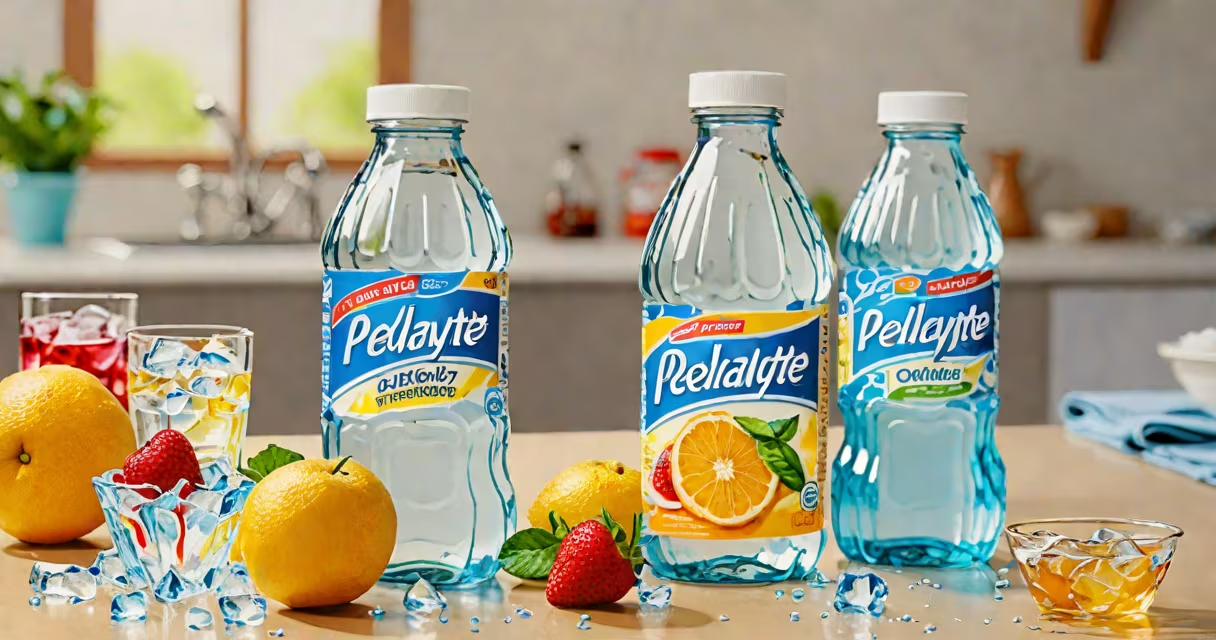
Yes, Pedialyte can help relieve symptoms of an upset stomach by replacing fluids and electrolytes lost through vomiting or diarrhea. It's formulated to restore balance faster than water alone.
When the body loses fluids through nausea, vomiting, or loose stools, it also loses essential electrolytes like sodium, potassium, and chloride. These minerals regulate nerve and muscle function, maintain fluid balance, and support digestion. Without them, dehydration worsens symptoms and slows recovery.
Pedialyte contains a precise ratio of glucose and electrolytes designed to improve absorption in the small intestine. This mechanism, based on the World Health Organization's oral rehydration solution model, allows the gut to pull fluids back into the bloodstream even during active illness.
Pedialyte uses a glucose-electrolyte transport system to move water and salts across intestinal cells. Glucose molecules bind to sodium channels in the intestinal lining, enabling simultaneous absorption of both nutrients. This process is more efficient than passive water uptake.
A 2019 study published in Clinical Nutrition found that oral rehydration solutions like Pedialyte reduced the duration of acute diarrhea in children by 20% compared to water-only rehydration. The effect was most pronounced in cases lasting less than 48 hours.
For adults, clinical trials show similar benefits. A 2021 double-blind trial in The American Journal of Clinical Nutrition demonstrated that patients who consumed electrolyte solutions within six hours of symptom onset reported reduced fatigue and dizziness by day two.
Pedialyte comes in several forms, each suited to different needs:
| Type | Electrolyte Level | Best For | Notes |
|---|---|---|---|
| Original | Standard | General dehydration | Contains 45 mg sodium per 8 oz; suitable for mild to moderate fluid loss. |
| Electrolyte Water | Higher | Recovery after intense activity or prolonged illness | 50 mg sodium per 8 oz; better for heavy sweating or severe diarrhea. |
| Rehydrate | Lower sugar | Those sensitive to sugar or managing blood glucose | Only 6 g sugar per 8 oz; ideal for people with diabetes or insulin resistance. |
Original Pedialyte is the most widely recommended option for upset stomachs. Its balanced formulation avoids overwhelming the gut with too much sugar, which can worsen diarrhea in some individuals.
Many assume Pedialyte is only for children or severe illness. That's incorrect. Adults use it daily during viral gastroenteritis, food poisoning, or even after alcohol-induced dehydration.
Another myth is that Pedialyte can stop vomiting. It cannot. It supports recovery by preventing dehydration, but it doesn't treat the underlying cause-such as norovirus, bacterial infection, or food intolerance.
Some users think it's safe to drink large amounts quickly. In reality, consuming more than 16 oz per hour can trigger osmotic diarrhea due to excess glucose. Stick to sipping 4-8 oz every 15 minutes until symptoms improve.
In 2022, a 34-year-old woman experienced sudden nausea and watery diarrhea after eating at a buffet. She had no fever or blood in stool. After two episodes of vomiting, she began drinking Pedialyte (original) at 6 oz every 30 minutes.
Within four hours, her energy returned, and vomiting stopped. By the next morning, she had no symptoms. She did not take anti-nausea medication. Her recovery was attributed to early rehydration, confirmed by a follow-up visit to her primary care provider.
This mirrors findings from the CDC's 2020 guidelines on acute gastroenteritis, which recommend oral rehydration as first-line treatment for non-severe cases.
Do not rely on Pedialyte if you have persistent vomiting, high fever (>101°F), bloody stool, or signs of shock (cold extremities, rapid pulse). These indicate a medical emergency requiring immediate evaluation.
People with kidney disease or heart failure should consult a doctor before using electrolyte solutions. Excess sodium can strain the cardiovascular system.
If symptoms last longer than 48 hours despite rehydration, seek care. Prolonged upset stomach may signal a bacterial infection, inflammatory bowel condition, or food allergy.
Water alone does not replace lost electrolytes. A 2018 study in Journal of the American College of Nutrition showed that participants who drank only water during diarrhea had slower recovery times and higher rates of fatigue.
Apple cider vinegar is often promoted online for digestive health. However, there is no clinical evidence supporting its use for acute upset stomach. In fact, its acidity can irritate an inflamed stomach lining.
I've used Pedialyte during a short bout of traveler's diarrhea while abroad. I started with small sips every 15 minutes. Within two hours, my cramping eased. I finished a 16 oz bottle over four hours and felt normal by the next day.
Will Pedialyte help upset stomach? Yes, when used correctly. It addresses the root issue-dehydration-by replenishing fluids and electrolytes. It's not a cure, but it speeds recovery and reduces discomfort.
Use it early, sip slowly, and stop if symptoms persist beyond 48 hours. Always pair it with rest and bland foods like toast or bananas. For severe or recurring issues, see a healthcare provider.