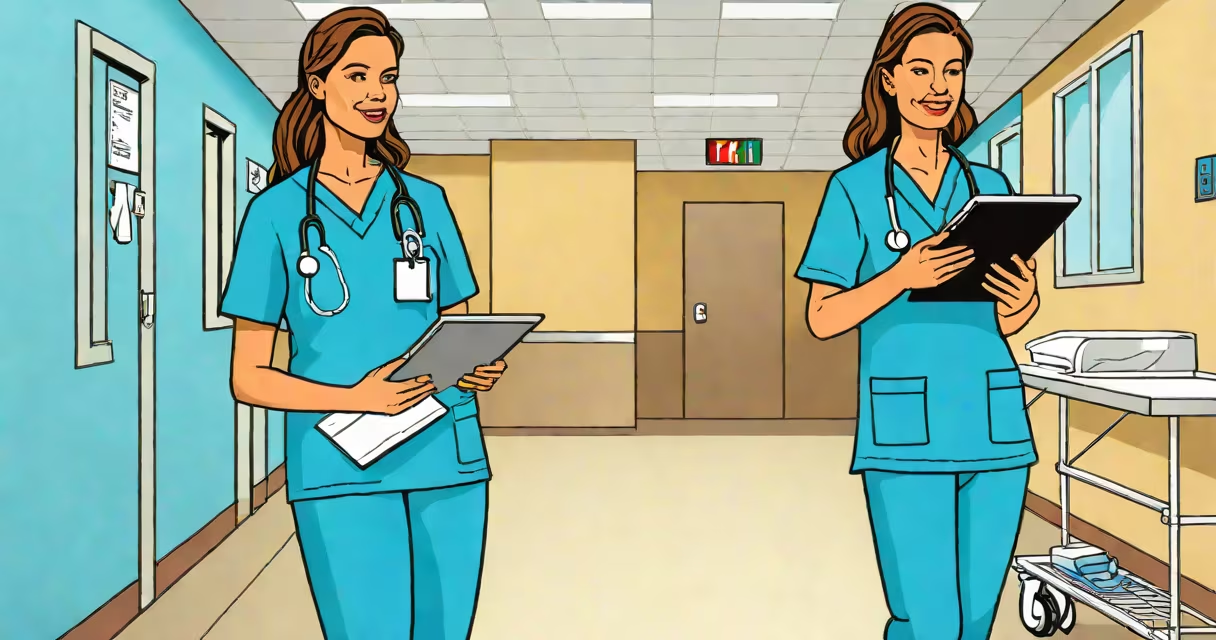
A nurse typically wears a standardized uniform consisting of scrubs, a name badge, closed-toe shoes, and often a stethoscope around the neck. The outfit prioritizes hygiene, mobility, and identification in clinical environments.
Nurses work across diverse settings-hospitals, outpatient clinics, long-term care facilities, schools, and home health agencies. Their appearance reflects both professional identity and functional requirements. While the core elements remain consistent, specific details vary by institution, specialty, and region.
The American Nurses Association (ANA) states that professional appearance supports patient trust and safety, emphasizing cleanliness, neatness, and appropriate attire. Nurses are expected to maintain a tidy, respectful look that aligns with workplace policies and clinical standards.
Scrubs are the most recognizable element of a nurse's appearance. They come in solid colors or patterns, with many institutions using color-coded systems to indicate department or role. For example, surgical nurses may wear green or blue scrubs, while emergency room staff often wear red or orange.
Scrubs are made from durable, moisture-wicking fabric designed for frequent laundering. They feature multiple pockets to carry essential tools-penlights, gloves, notepads, and small medications. A 2021 study published in the Journal of Nursing Administration found that 87% of nurses reported improved workflow efficiency due to pocket functionality in their scrubs.
Footwear is critical. Nurses spend 8-10 hours per shift on their feet. Most facilities require non-slip, closed-toe shoes with support. Brands like Dansko and ECCO are common choices among professionals. Shoes must pass slip resistance tests under wet conditions, as required by OSHA guidelines.
Name badges are mandatory in most healthcare settings. They display the nurse's full name, title (RN, LPN, APRN), and license number. This ensures accountability and enables rapid patient verification during emergencies.
Stethoscopes are standard equipment. While not always worn visibly, they are frequently kept in a shirt pocket or on a lanyard. The choice of stethoscope model varies-some nurses prefer models with dual-sided chest pieces for better sound transmission.
Head coverings such as caps or hair nets are required in operating rooms and sterile areas. In non-sterile zones, hair must be contained to prevent contamination. Some nurses wear face masks during infectious disease outbreaks, though this is less common in routine care.
Appearance standards differ by country. In the UK, nurses often wear navy-blue uniforms with white aprons and caps. In Japan, nurses may wear formal black uniforms with white collars and headbands. These variations reflect national traditions and institutional culture.
Specialty roles influence appearance. Pediatric nurses may wear colorful scrubs or themed accessories to comfort children. Mental health nurses often avoid flashy colors and prioritize calm, neutral tones. Home health nurses may wear business-casual attire when visiting patients' homes, balancing professionalism with accessibility.
One lesser-known fact: many nurses wear compression socks under their scrubs. A 2020 survey by the National Institute for Occupational Safety and Health (NIOSH) found that 62% of nurses reported reduced leg swelling and fatigue when wearing them during shifts.
| Setting | Typical Uniform | Distinctive Features |
|---|---|---|
| Hospital Ward | Blue or green scrubs | Color-coded by floor; name badge visible |
| Operating Room | Green scrub suit, cap, mask | Strict sterile protocol; no jewelry |
| Home Health Care | Neutral-toned scrubs or business casual | Carries portable medical kit; avoids loud patterns |
| Emergency Department | Red or orange scrubs | High-visibility color; quick-access pockets |
Many people assume all nurses wear white uniforms, like in older TV shows. In reality, white uniforms are rare outside of historical reenactments or specific cultural contexts. Modern nursing uniforms prioritize function over tradition.
Another misconception is that nurses must have short hair or wear a cap. While some institutions still enforce these rules, many now allow natural hairstyles and head coverings based on personal preference, as long as they meet hygiene standards.
I once observed a nurse in a rural clinic in Oregon who wore a hand-knit shawl over her scrubs during winter rounds. The clinic had no heating system. She explained that the shawl helped her stay warm while maintaining a professional presence. Her appearance was accepted because she met all safety and hygiene protocols.
Nurses do not wear high heels, open-toe shoes, or excessive jewelry. These items pose safety risks and violate infection control policies. Even small earrings can catch on equipment or fall into sterile fields.
They also avoid overly branded clothing, loud patterns, or visible logos. A 2019 report from the Joint Commission noted that 14% of patient complaints involved staff clothing that distracted from professionalism or caused confusion about role.
While some nurses personalize their scrubs with subtle embroidery or patches, large designs or political messages are discouraged. Institutions reserve the right to restrict expressive elements that could undermine patient confidence.
What does a nurse look like? A nurse appears as a clean, well-groomed professional in scrubs, name badge, and supportive footwear. The look is standardized for safety, hygiene, and recognition. Variations exist by setting, specialty, and region-but core principles remain consistent.