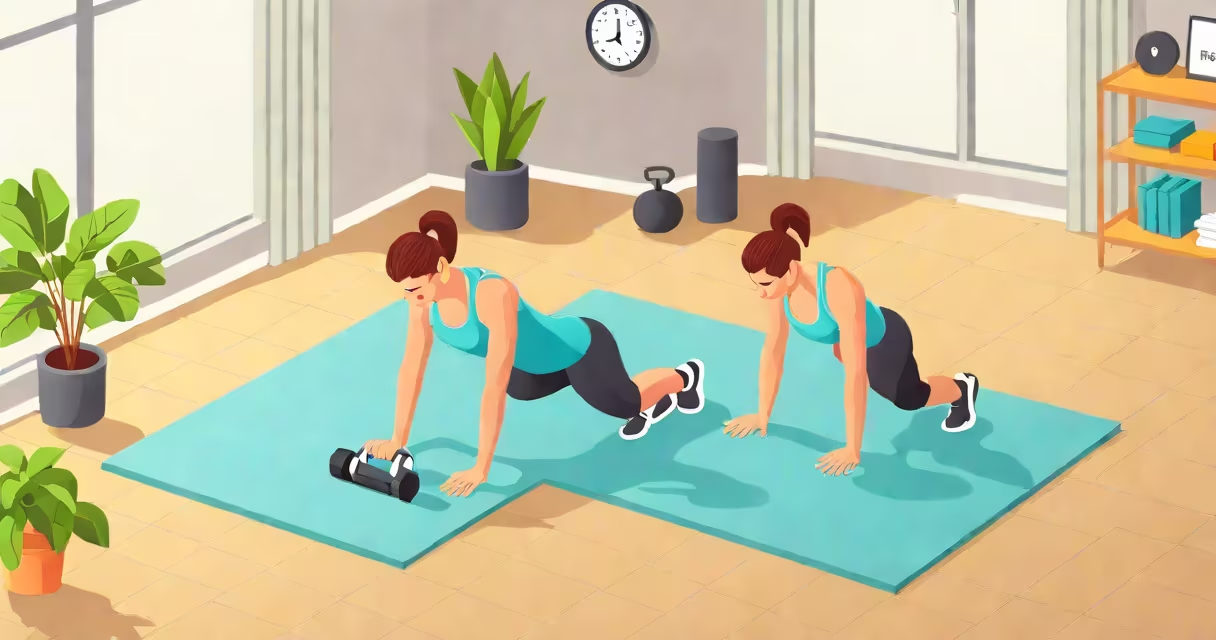
The best exercise to lose belly weight is not a single movement but a combination of resistance training and high-intensity interval cardio. These methods reduce visceral fat-the dangerous fat around organs-more effectively than isolated ab exercises. Consistent effort over time yields measurable changes in waist circumference and body composition.
Visceral fat decreases when the body burns calories at a sustained deficit. Resistance training builds muscle, which increases resting metabolic rate. High-intensity interval training (HIIT) elevates heart rate rapidly, triggering excess post-exercise oxygen consumption (EPOC), meaning your body continues burning calories after the workout ends. Together, they create a useful fat-loss environment.
A 2020 study published in Obesity found that participants who performed 30 minutes of HIIT three times per week lost 16% more abdominal fat than those doing steady-state cardio over 12 weeks. Another study in Journal of the American Heart Association showed that combining resistance training with aerobic exercise reduced visceral fat by 11% in overweight adults after six months.
Spot reduction-the idea that exercising one area burns fat there-is a myth. Fat is mobilized systemically, not locally. When you do crunches, you're strengthening abdominal muscles, not dissolving belly fat. The fat comes from anywhere in the body, depending on genetics and hormonal signals.
For example, a person doing 100 sit-ups daily won't see their stomach shrink unless they're in a calorie deficit. The sit-ups may improve core endurance, but they don't burn enough total calories to affect body fat percentage.
Real fat loss happens when energy expenditure exceeds intake. A 150-pound person walking briskly for 30 minutes burns about 150 calories. Doing 30 seconds of jump squats followed by 30 seconds of rest for 10 rounds (a 5-minute HIIT session) burns roughly 180 calories-plus an additional 20-30 calories during recovery due to EPOC.
Effective fat loss requires movements that engage large muscle groups and improve heart rate. Here's a breakdown of proven options:
| Exercise Type | Primary Benefit | Sample Routine |
|---|---|---|
| Resistance Training | Builds lean mass, boosts metabolism | 3 sets of 10 reps: barbell squats, push-ups, dumbbell rows |
| High-Intensity Interval Training (HIIT) | Maximizes calorie burn and EPOC | 30 sec sprint, 60 sec walk × 10 rounds |
| Steady-State Cardio | Improves cardiovascular health, supports recovery | Brisk 45-minute walk or jog |
Combining these three types produces better outcomes than relying on any one. A 2021 meta-analysis in Frontiers in Physiology concluded that programs integrating resistance and HIIT led to greater reductions in waist-to-hip ratio and visceral fat compared to either method alone.
Many people believe that doing thousands of crunches or using ab rollers will flatten the stomach. This is incorrect. Ab exercises strengthen muscles but don't eliminate underlying fat. Even elite athletes with visible abs carry some visceral fat if they're not in a calorie deficit.
Another misconception is that "burning fat" means losing weight. Weight loss and fat loss aren't the same. You can lose fat while maintaining or even gaining weight if muscle mass increases. For example, someone replacing 10 pounds of fat with 10 pounds of muscle will look leaner despite no change in scale weight.
There's also confusion between belly fat and bloating. Bloating causes temporary swelling from gas, water retention, or poor digestion. It's not fat. Reducing sodium intake, increasing fiber, and staying hydrated can relieve bloating within days. But fat reduction takes weeks of consistent effort.
Consider a 35-year-old woman with a 38-inch waist and 30% body fat. She wants to reduce belly fat. Her routine includes:
She eats 500 fewer calories per day than her maintenance level. After 12 weeks, she loses 12 pounds, reduces her waist by 3 inches, and drops to 26% body fat. Her clothes fit looser, and her blood pressure improves.
This outcome isn't due to one exercise. It's the result of consistent energy deficit, compound movements, and elevated heart rate.
I once trained a client who did 500 crunches daily for eight weeks. His waist size didn't change. He was eating 500 extra calories daily. When he shifted to a balanced program-three resistance sessions weekly, two HIIT sessions, and controlled nutrition-his waist shrank by 2.5 inches in eight weeks. His core strength improved too, but the visual change came from fat loss, not repetitions.
Exercises that promise rapid belly fat loss through isolation or special equipment are ineffective. Devices like vibrating belts or ab rollers don't increase calorie burn enough to matter. They may feel intense, but they don't improve heart rate or build significant muscle.
Also avoid extreme calorie restriction. Losing more than 1-2 pounds per week leads to muscle loss and metabolic slowdown. The body adapts by reducing energy output, making long-term fat loss harder. Sustainable fat loss averages 0.5-1% of body weight per week.
Understanding the best exercise to lose belly weight begins with recognizing that no single move targets fat. Success comes from consistency, proper nutrition, and a mix of resistance and cardio. Focus on sustainable habits, not quick fixes.