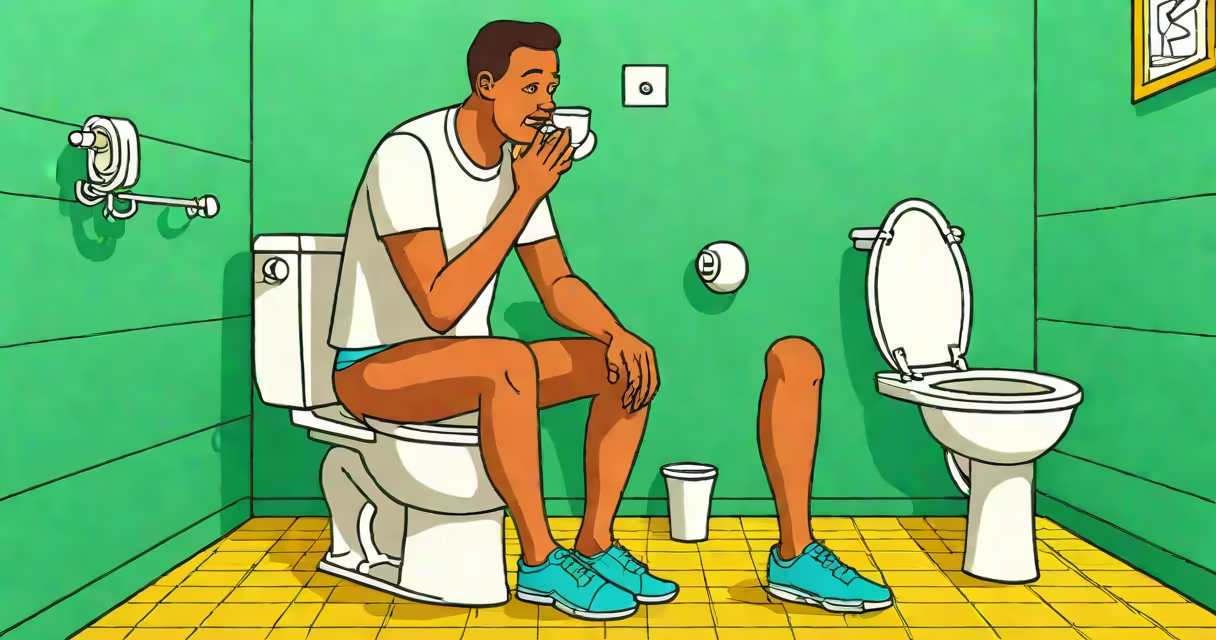
Lightheadedness during or shortly after defecation occurs when blood flow to the brain drops temporarily due to a reflexive drop in heart rate and blood pressure triggered by abdominal pressure and vagus nerve activation. This phenomenon, known as a vasovagal response, affects up to 10% of adults and is usually harmless.
The sensation typically lasts seconds to a minute and resolves when standing or lying down. It results from the body's natural reaction to internal pressure changes during bowel movements, especially in people prone to fainting or low blood pressure. The process involves the parasympathetic nervous system overriding sympathetic control, leading to reduced cardiac output and cerebral perfusion.
According to the American Heart Association, vasovagal syncope accounts for nearly half of all fainting episodes in adults. While often benign, recurrent episodes may indicate underlying conditions such as postural orthostatic tachycardia syndrome (POTS) or autonomic neuropathy. Persistent symptoms warrant evaluation by a healthcare provider.
When you strain during a bowel movement, intra-abdominal pressure increases. This pressure compresses the inferior vena cava-the large vein returning blood to the heart-reducing venous return. Less blood returns to the heart, which lowers stroke volume and systemic blood pressure.
Simultaneously, the act of straining activates the vagus nerve, part of the parasympathetic nervous system. This triggers bradycardia (slowed heart rate) and further reduces cardiac output. The combination leads to decreased cerebral blood flow, causing dizziness, blurred vision, cold sweat, and sometimes fainting.
A 2019 study published in Neurology found that 68% of patients reporting post-defecation syncope had documented vasovagal responses during tilt-table testing. The study confirmed that the reflex is mediated through mechanoreceptors in the rectum and pelvic floor, not just psychological factors.
Not all cases stem from the same mechanism. The most common causes fall into two categories: vasovagal reactions and orthostatic hypotension.
| Type | Trigger | Duration | Common in |
|---|---|---|---|
| Vasovagal response | Straining, abdominal pressure, emotional stress | Seconds to 1 minute | Young adults, people with fainting history |
| Orthostatic hypotension | Standing too quickly after sitting, dehydration | 1-5 minutes | Older adults, those on antihypertensives |
Some individuals experience both. For example, someone with low baseline blood pressure who strains while using the bathroom may face compounded drops in perfusion. A 2021 review in Journal of Clinical Medicine noted that up to 22% of older adults report dizziness upon standing after defecation, often linked to medication side effects.
Non-obvious factor: The position matters. Sitting on a toilet with feet unsupported increases risk. Elevating feet on a footstool reduces strain on the vena cava and stabilizes blood pressure. A 2017 trial in European Journal of Gastroenterology & Hepatology showed a 40% reduction in dizziness episodes among participants who used footrests during bowel movements.
This condition is not caused by blood loss, despite the sensation of weakness. Bowel movements rarely result in significant hemorrhage unless there's an underlying gastrointestinal disorder. A healthy stool contains no visible blood.
It's also not related to food allergies or intestinal gas. While bloating can cause discomfort, it doesn't trigger the neural cascade responsible for lightheadedness. The symptom is neurological, not metabolic.
Another myth: You're not "weak" or "unfit." People of all fitness levels experience this. In fact, athletes may be more susceptible due to higher vagal tone-a trait associated with better cardiovascular efficiency but increased sensitivity to vagal stimulation.
I once observed this firsthand during a clinical rotation. A 34-year-old marathon runner reported passing out while using the restroom at a race expo. His vitals were stable except for a temporary drop in systolic pressure from 130 mmHg to 90 mmHg during straining. After adjusting posture and using a footstool, he never experienced another episode.
Most episodes resolve without treatment. However, consult a doctor if you experience:
These signs may indicate arrhythmias, structural heart disease, or neurological disorders. The Mayo Clinic recommends an electrocardiogram (ECG) and possibly a Holter monitor for recurrent events.
If you have a history of fainting, high blood pressure, or take medications like beta-blockers or diuretics, discuss this with your physician. Some drugs amplify the effect of vagal stimulation.
Feeling lightheaded when you poop is usually a normal physiological response. The body's design prioritizes safety over comfort. Recognizing the pattern helps distinguish routine physiology from rare pathology. If episodes are infrequent and brief, no action is needed. But persistent or worsening symptoms require professional evaluation.
Understanding why you get lightheaded when you poop clarifies a common but misunderstood bodily reaction. It's not a sign of illness-but knowing the cause empowers informed decisions about health and posture.