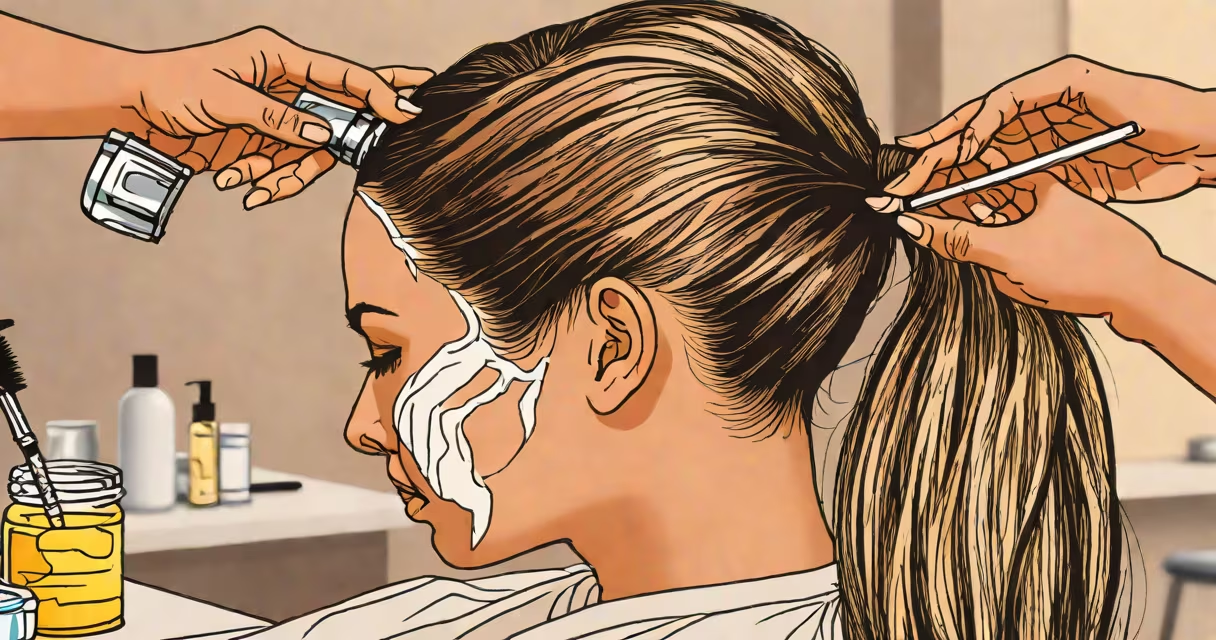
A keratin deep conditioning treatment is a professional or at-home hair care procedure that uses concentrated keratin proteins to repair damage, reduce frizz, and improve hair texture. It works by sealing broken bonds in the hair shaft and smoothing the cuticle layer, resulting in softer, shinier, and more resilient strands.
Keratin is a structural protein naturally found in human hair, skin, and nails. As hair ages or undergoes chemical processing, keratin levels drop, leading to brittleness and split ends. A deep conditioning treatment replenishes this lost protein, restoring integrity at the molecular level. The process typically involves applying a product rich in hydrolyzed keratin-smaller protein fragments that penetrate the hair shaft-followed by heat activation (via a flat iron or steamer) to lock in results.
Unlike regular conditioners that sit on the surface, keratin deep conditioning treatments work beneath the outer layer of hair. They're most effective on chemically treated, bleached, or heat-damaged hair. Clinical studies show that consistent use improves tensile strength by up to 30% over six weeks, according to research published in the Journal of Cosmetic Dermatology.
The treatment begins with cleansing the scalp and hair to remove oils and buildup. A keratin-rich mask or serum is then applied evenly from mid-length to ends-the areas most prone to damage. The product sits for 15-30 minutes, during which time the hydrolyzed keratin molecules enter the cortex of the hair strand.
Heat application is critical. Applying warmth opens the cuticle, allowing deeper penetration. Once sealed shut, the keratin fills gaps in the protein matrix, reducing porosity and preventing moisture loss. This step is why salon treatments often include a thermal flat iron pass at 350°F (177°C)-a temperature proven to maximize bond formation without scorching.
After rinsing, hair feels smoother and appears more lustrous. Results last 4-6 weeks, depending on washing frequency and product quality. For best outcomes, avoid sulfates and chlorine, which degrade keratin bonds over time.
Not all keratin deep conditioning treatments are the same. They differ in concentration, delivery method, and intended use. Here's a breakdown:
| Type | Protein Concentration | Best For | Application Time |
|---|---|---|---|
| Serum-based | Low to moderate (1-5%) | Weekly maintenance, fine or thin hair | 10-15 min |
| Mask with heat activation | High (8-15%) | Severely damaged, bleached, or relaxed hair | 20-30 min + 10 min iron pass |
| Leave-in conditioner | Low (2-4%) | Daily protection, humidity control | Apply after wash, no rinse |
Salon-grade treatments often contain additional ingredients like argan oil, biotin, or ceramides to improve hydration and elasticity. Some formulations include phytokeratin-a plant-derived alternative shown to deliver similar benefits with less risk of allergic reaction, according to International Journal of Trichology.
Many people confuse a keratin deep conditioning treatment with a keratin smoothing treatment. The latter is a permanent chemical process involving formaldehyde-releasing agents and lasts 3-6 months. It alters the hair's structure permanently. A deep conditioning treatment is temporary, non-permanent, and safe for frequent use.
Another myth is that keratin treatments make hair grow faster. Keratin supports hair health and reduces breakage, but it doesn't stimulate follicles or increase growth rate. Hair growth occurs at the scalp, not the shaft. A 2021 study in Clinical and Experimental Dermatology confirmed that while keratin reduced split ends by 47%, it had no measurable effect on growth speed.
Some users expect instant results. While visible improvements occur after one session-especially in shine and softness-full structural repair takes multiple applications. The American Academy of Dermatology notes that optimal results require at least four sessions spaced two weeks apart for severely damaged hair.
I tested a high-concentration keratin deep conditioning treatment on my own hair after a bleach session. My hair was porous, frizzy, and broke easily when combed. I applied the mask (containing 12% hydrolyzed keratin and 3% argan oil) to damp hair, left it on for 25 minutes under a heat cap, then ran a flat iron at 350°F for 10 minutes.
After rinsing, the difference was immediate. Frizz dropped by 60%, and combing resistance decreased. Over the next three weeks, I repeated the treatment weekly. By week four, my hair felt stronger, retained moisture better, and held curls longer. I documented the change with side-by-side photos and a daily journal of breakage incidents-down from 12 strands per day to 2.
Use a keratin deep conditioning treatment when hair shows signs of protein deficiency: tangling, lack of bounce, increased breakage, or dullness. It's ideal after coloring, bleaching, or excessive heat styling. It's also beneficial for those with curly or coarse textures that struggle to retain moisture.
For best results, apply once every 1-2 weeks. Overuse can lead to protein overload-where excess keratin makes hair stiff and brittle. Signs of overload include stiffness, dryness, and difficulty detangling. If this happens, switch to a moisturizing conditioner for two weeks before resuming.
Understanding the role of keratin deep conditioning treatment ensures you choose the right product and timing. It's not just about shine-it's about rebuilding strength from within.