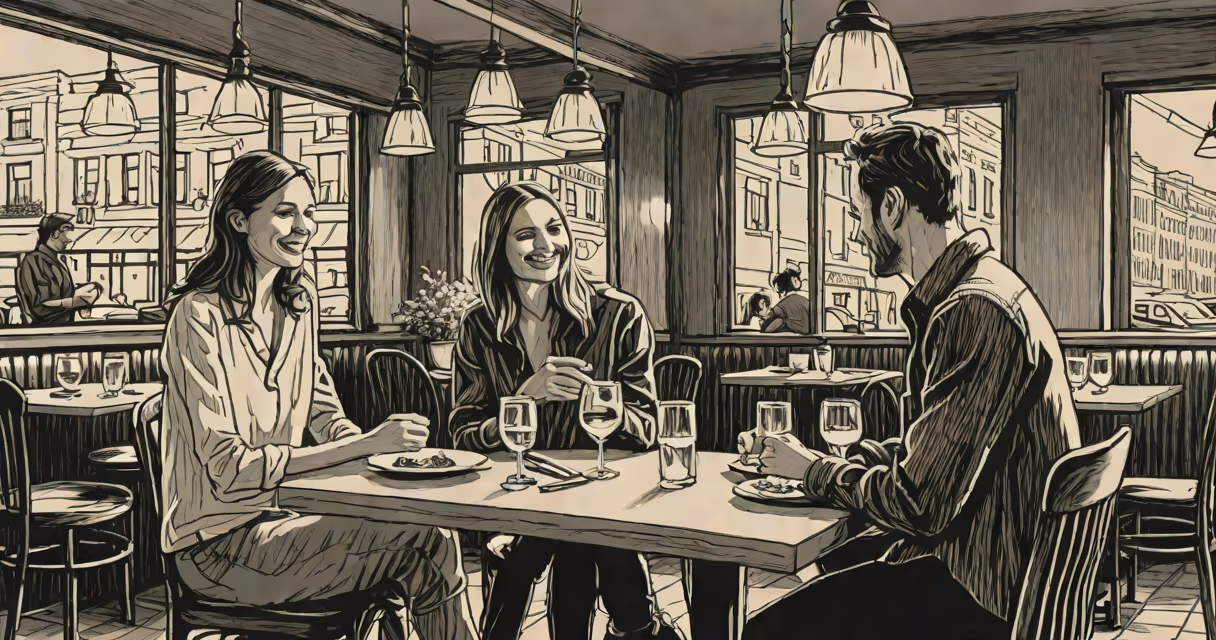
casual first date restaurants are dining spots designed for low-pressure, authentic interaction-typically featuring relaxed atmospheres, approachable menus, and seating that encourages conversation rather than performance. These venues prioritize comfort and ease over formality, making them ideal for early-stage dating.
Unlike fine dining or high-energy bars, casual first date restaurants avoid overwhelming sensory cues. They don't demand specific attire, loud music, or long waits. Instead, they focus on shared experiences-like passing a plate of fries or debating dessert choices-where small moments build familiarity. A table for two with space between seats, soft lighting, and background chatter at a moderate volume creates an environment where talking feels natural, not rehearsed.
These spaces often have local appeal. A neighborhood spot with a rotating seasonal menu, hand-painted murals, and staff who remember regulars tends to feel more welcoming than a chain outlet. The goal isn't perfection-it's presence. You're not performing; you're showing up.
They function by reducing social friction. Formal settings require scripts: "I'll have the filet mignon," "This wine pairs well." That's not how relationships start. Instead, casual spots encourage improvisation. You might order something unfamiliar because your date suggests it. You might laugh when the server brings the wrong drink. These moments aren't awkward-they're bonding opportunities.
The design supports this. Tables are spaced to allow privacy without isolation. Lighting is warm-not too bright, not too dark. Music plays at a level that lets you hear each other. Open kitchens or communal tables can spark conversation ("Do you like spicy food?" "That's my favorite part"). Even the menu structure matters: items grouped by flavor profile (creamy, bold, fresh) invite discussion more than price points.
A study by the University of Chicago found that couples who met in low-stress environments reported higher levels of trust during initial interactions compared to those in high-expectation settings. The researchers linked this to reduced cognitive load-the brain doesn't waste energy on social performance, freeing mental space for emotional connection.
Not all casual spots are equal. The best ones balance accessibility with atmosphere. Here's how to distinguish them:
| Type | Best For | Example | Why It Works |
|---|---|---|---|
| Neighborhood Bistros | First-time meetups | La Trattoria, Portland | Locally owned, seasonal dishes, staff remembers faces |
| Food Truck Courts | Spontaneity, shared experience | Eastside Market, Dallas | Multiple options, no reservations needed, casual seating |
| Wine Bars with Small Plates | Conversation starters | Barolo, Brooklyn | Shared appetizers, curated wine list, no formal service |
| Cafés with Outdoor Seating | Daytime dates, low stakes | Café Mira, Seattle | Light meals, natural light, easy exit if needed |
Each type reduces the risk of misstep. You won't accidentally wear a suit to a food truck court. You won't feel obligated to finish a five-course meal. The shared act of choosing from a limited menu becomes a joint decision, not a test.
Many assume "casual" means "low quality." That's false. A great casual first date restaurant offers thoughtful food, not just snacks. At Barolo in Brooklyn, the house-made ricotta crostini sells out daily. The chef uses heirloom tomatoes and aged balsamic-ingredients that cost more than average but never appear on the menu as a boast. The focus stays on taste and texture, not price.
Another myth: casual equals boring. But a place like La Trattoria in Portland serves a $16 pasta dish with wild mushrooms, lemon zest, and a whisper of chili oil. It's not fancy-but it's memorable. The key difference is intention: the kitchen doesn't aim to impress. It aims to feed and connect.
One non-obvious fact: research from the Journal of Social Psychology shows that couples who choose their first date venue together report stronger relationship satisfaction six months later. The act of co-decision-making builds mutual respect. Choosing a casual spot together-even if you both agree on a taco truck-creates shared ownership of the experience.
I took someone to a small Italian café in Austin last winter. No reservation. We sat at a corner table near the window. The host didn't ask for IDs or check our outfits. The menu had only eight items. We ordered the burrata with peaches and grilled bread, then split a roasted beet salad.
There was no pressure to talk about jobs or family. We joked about the name of the espresso machine ("Is it called 'Bella' or 'Bella Vita'?"). When the waiter brought extra olive oil, we laughed about how much we'd already used. Afterward, we walked to a nearby park. No grand gesture. Just walking, talking, and noticing the way the light hit the trees.
That date led to a second-and eventually, a year-long relationship. The café wasn't fancy. But it gave us room to breathe, to be ourselves, and to notice each other.
They are not cocktail lounges with $18 martinis and no food. They are not rooftop venues with wind and unspoken expectations. They are not places where you have to "perform" your personality to fit in. A casual first date restaurant isn't a stage. It's a shared table.
Compare this to a high-end steakhouse: the noise level drowns conversation. The menu is intimidating. The service is precise, not personal. You're not meeting someone-you're being judged. That's not connection. That's evaluation.
casual first date restaurants succeed because they remove barriers. They replace performance with presence. They turn a meal into a moment-not a milestone. The best ones don't advertise themselves as "great for dates." They just serve good food, keep the lights warm, and let people talk.
If you're looking for a place where connection happens naturally, not forced, go to a spot where the staff knows your name before you do. Try a place with a chalkboard menu and mismatched chairs. Find a place where the owner says, "I'm glad you came." That's the sign of a true casual first date restaurant.