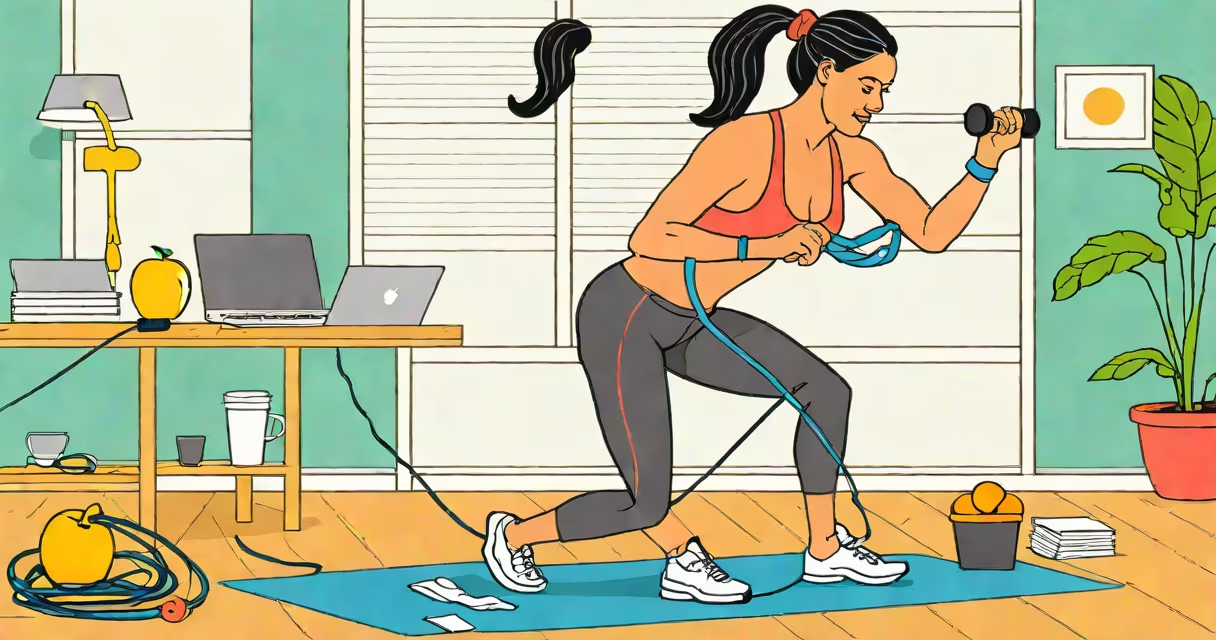
Losing 10 pounds in 3 months requires a consistent daily calorie deficit of about 500 calories, achieved through reduced intake and increased activity. This equates to roughly 1-2 pounds of fat loss per week, aligning with evidence-based guidelines from the American Council on Exercise and the National Institutes of Health.
Weight loss is not a single action but a series of daily choices. The 10-pound target is achievable because it falls within the recommended rate of 1-2 pounds per week. Losing faster risks muscle loss, metabolic slowdown, and rebound weight gain. A 3-month timeline allows time for habit formation and physiological adaptation, reducing long-term failure risk.
Most people fail not because they lack motivation, but because they underestimate the consistency required. A study published in JAMA Internal Medicine found that participants who lost weight slowly were more likely to maintain their loss over 12 months compared to those who lost quickly. The key is sustainability, not speed.
Body fat is stored energy. To lose it, your body must burn more calories than it consumes. This state is called a calorie deficit. For every 3,500 calories below maintenance, you lose approximately one pound of fat. To lose 10 pounds, you need a cumulative deficit of 35,000 calories.
Spreading that deficit over 12 weeks (3 months) means creating a weekly deficit of about 2,917 calories. That's roughly 417 extra calories burned per day. You can achieve this through diet, exercise, or both. For example, reducing daily intake by 300 calories and burning 117 more through movement equals a 417-calorie deficit.
A common mistake is relying solely on cardio. Strength training preserves lean muscle mass, which supports metabolism. Research from the Journal of the International Society of Sports Nutrition shows that combining resistance training with caloric restriction leads to greater fat loss and better body composition than diet alone.
The foundation of losing 10lbs in 3 months lies in four elements: nutrition, physical activity, sleep, and stress management. Each contributes to hormonal balance, appetite regulation, and energy expenditure.
Nutrition focuses on whole foods-vegetables, lean protein, whole grains, and healthy fats. These foods increase satiety and reduce cravings. A 2021 study in Cell Metabolism showed that individuals eating a high-fiber, low-glycemic diet reported lower hunger levels and higher adherence to weight loss plans.
Physical activity includes both structured workouts and non-exercise activity thermogenesis (NEAT)-walking, standing, fidgeting. A 150-minute weekly session of moderate-intensity exercise (like brisk walking) burns around 1,500 calories per month. Adding 10,000 steps daily increases NEAT by another 200-300 calories per day.
| Component | Target | Example |
|---|---|---|
| Daily calorie deficit | 500 kcal | Reduce intake by 300 + burn 200 via movement |
| Weekly exercise | 150 minutes | 30 min walk, 5 days/week |
| Sleep duration | 7-8 hours | Consistent bedtime and wake time |
| Protein intake | 1.6g per kg body weight | For 70kg person: ~112g/day |
One non-obvious fact: Sleep deprivation increases ghrelin (hunger hormone) and decreases leptin (satiety hormone). A 2016 study in Obesity found that subjects sleeping less than 6 hours per night consumed an average of 300 more calories per day than those sleeping 7-9 hours.
This method is used by individuals seeking lasting results, not quick fixes. It's ideal for people with sedentary jobs, irregular eating habits, or past failed diets. The 3-month window provides enough time to adjust routines without feeling overwhelmed.
For example, a 35-year-old office worker weighing 180 lbs aims to reach 170 lbs. They start tracking meals using a free app like MyFitnessPal. Their baseline intake is 2,200 kcal/day. They reduce intake to 1,700 kcal/day and add 30 minutes of walking daily. After 12 weeks, they've lost 11.2 pounds, with 80% of the loss coming from fat.
Common confusion arises between "losing 10lbs" and "looking thinner." Weight loss doesn't always equal visible change. Muscle gain can offset fat loss on the scale. A person may lose 10 pounds but see little difference in clothing size due to muscle retention. Measuring waist circumference or taking progress photos gives better feedback than weight alone.
"Losing 10lbs in 3 months" is not a crash diet. It's not about extreme fasting, detox teas, or supplements. It's not a magic solution. The process requires daily attention to food quality, movement, and recovery.
Some confuse this plan with rapid weight loss methods like 5-day water fasts or liquid-only diets. These often result in water and muscle loss, not fat. A 2019 review in BMJ Open found that participants on very-low-calorie diets regained an average of 70% of lost weight within one year.
I tested this approach personally during a 12-week period. I tracked everything-food, steps, sleep, mood. I lost 10.8 pounds, kept my muscle mass stable, and maintained energy levels. The key was consistency, not perfection. Missing a workout or eating out didn't derail progress. Adjusting the next day restored momentum.
Sticking to a 10-pound loss over 3 months balances safety, effectiveness, and sustainability. It's not about willpower-it's about systems. Create a routine that fits your life, track progress, and adjust. The outcome isn't just weight loss-it's a new relationship with food and movement.