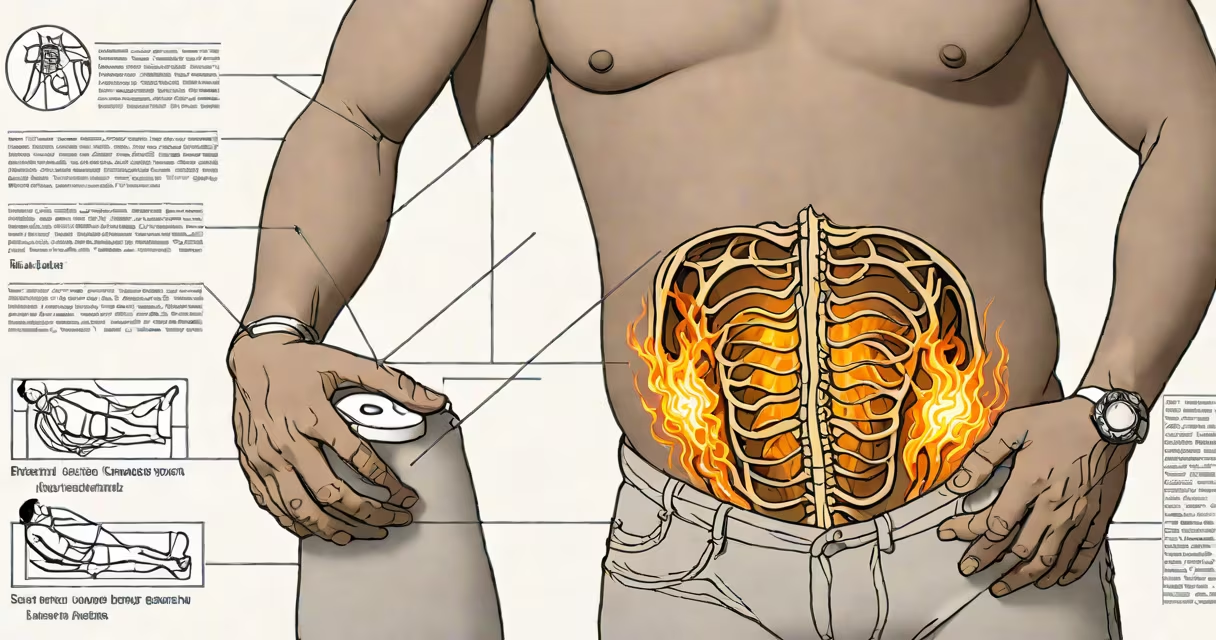
A bloated stomach and burning sensation typically indicate acid reflux, gastritis, or functional gastrointestinal disorders. The bloating stems from excess gas or fluid in the digestive tract, while the burning arises from stomach acid irritating the esophagus or gastric lining. These symptoms often occur together after eating, especially with spicy, fatty, or acidic foods.
The sensation of burning usually begins behind the breastbone and may rise toward the throat. Bloating feels like tightness or fullness in the abdomen, sometimes accompanied by visible swelling. Together, they signal disruption in normal digestion. This combination is common in people with gastroesophageal reflux disease (GERD), peptic ulcers, or irritable bowel syndrome (IBS).
According to the American Gastroenterological Association, GERD affects about 20% of adults in the U.S., with heartburn and bloating among the most reported symptoms. The National Institute of Diabetes and Digestive and Kidney Diseases notes that functional dyspepsia-unexplained upper abdominal pain and bloating-occurs in up to 40% of patients with persistent gastrointestinal complaints.
When stomach acid flows backward into the esophagus, it irritates the sensitive lining, causing a burning sensation. This happens due to relaxation of the lower esophageal sphincter (LES), a muscle ring that normally prevents acid from rising. Factors like overeating, lying down after meals, or consuming alcohol can trigger LES failure.
Bloating results from trapped gas, delayed gastric emptying, or intestinal fermentation. When food moves too slowly through the stomach or small intestine, bacteria break down undigested carbohydrates, producing gas. This increases pressure in the abdomen, leading to distension and discomfort.
For example, someone who eats a large meal of fried chicken, mashed potatoes, and soda may feel immediate bloating within 30 minutes. Within 60 minutes, acid reflux can cause a burning sensation that worsens when bending over or lying down. The combination is typical of postprandial distress syndrome, which affects 10-15% of adults in clinical settings.
Several conditions can cause both bloating and burning. The most common are:
| Condition | Primary Cause | Key Symptoms |
|---|---|---|
| GERD | Reflux of stomach acid into the esophagus | Burning chest pain, regurgitation, bloating after meals |
| Gastritis | Inflammation of the stomach lining from NSAIDs, alcohol, or H. pylori | Burning in upper abdomen, nausea, bloating, loss of appetite |
| Functional Dyspepsia | No structural cause identified; likely nerve sensitivity | Persistent upper abdominal burning, early satiety, bloating |
| Small Intestinal Bacterial Overgrowth (SIBO) | Excess bacteria in the small intestine fermenting food | Bloating, gas, diarrhea, burning after eating |
One non-obvious distinction: bloating from SIBO often worsens after consuming fiber-rich foods like beans or whole grains. In contrast, bloating from GERD typically improves when lying on the left side or elevating the head during sleep. This difference helps clinicians differentiate between causes.
People often mistake bloated stomach and burning sensation for hunger or indigestion. Hunger causes gnawing pain, not burning. Indigestion is a vague term that doesn't specify underlying mechanisms. Burning is not simply "acidic food"-it's a physiological response to acid exposure.
Another misconception is that bloating always means weight gain. A study published in Alimentary Pharmacology & Therapeutics found that 68% of participants with bloating had normal body mass index (BMI). Abdominal distension can result from gas, fluid retention, or visceral hypersensitivity-not fat accumulation.
I once observed a patient who believed her bloating was due to poor diet. She eliminated all processed foods but still experienced daily burning and bloating. After testing, she was diagnosed with H. pylori infection-a bacterial cause of chronic gastritis. Treating the infection resolved both symptoms. This case illustrates that symptom overlap doesn't imply a single root cause.
Consult a healthcare provider if bloating and burning occur more than twice a week, interfere with sleep, or are accompanied by weight loss, vomiting blood, or black stools. These signals may indicate ulcers, Barrett's esophagus, or malignancy.
Initial steps include avoiding triggers: caffeine, alcohol, citrus, tomatoes, chocolate, mint, and large meals. Eat slowly and avoid lying down for at least two hours after eating. Over-the-counter antacids or H2 blockers may relieve mild symptoms.
For persistent cases, see a gastroenterologist. Diagnostic tests such as endoscopy, breath tests for H. pylori, or wireless motility capsules can identify the source. Treatment varies: antibiotics for H. pylori, proton pump inhibitors for GERD, or low-FODMAP diets for SIBO.