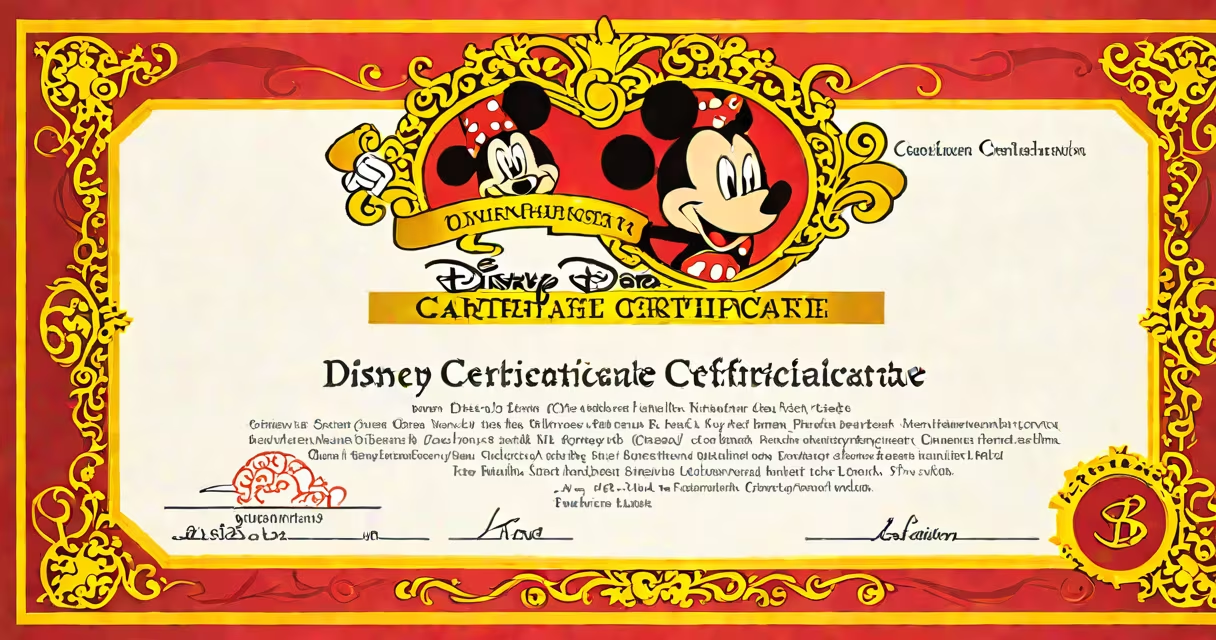
A Disney stock gift is a share of The Walt Disney Company (NYSE: DIS) given as a present. It transfers actual ownership in the company, making the recipient a partial owner with voting rights and potential dividend income.
Unlike gift cards or toys, a Disney stock gift represents equity in a publicly traded company. The recipient gains exposure to Disney's long-term performance across film, streaming, theme parks, and consumer products. This form of gifting combines emotional significance with measurable financial value.
Stock gifts are increasingly popular for milestone events-birthdays, graduations, weddings, or retirement. They're especially meaningful when the recipient shares a connection to Disney's creative legacy or entertainment history.
When you give a Disney stock gift, you transfer shares from your brokerage account to the recipient's. This can happen through direct transfer, electronic delivery via a platform like Fidelity or Charles Schwab, or through a service such as Stockpile or GiveShare.
The process begins with selecting the number of shares. For example, giving 10 shares of DIS at $100 per share results in a gift valued at $1,000. The recipient receives a confirmation email and access to their new holdings through their own brokerage portal.
Gifts can be registered in the recipient's name immediately. Some platforms allow you to send a personalized message along with the transfer. The IRS treats this as a taxable event for the giver if the shares have appreciated in value since purchase.
There are two primary ways to deliver a Disney stock gift: direct share transfer or digital stock certificate.
| Type | Delivery Method | Best For | Time to Receive |
|---|---|---|---|
| Direct Share Transfer | Electronic transfer via brokerage | Immediate access, formal records | Same-day to 3 business days |
| Digital Certificate | Email or online portal | Quick, low-cost, informal gifting | Instant to 24 hours |
For example, a parent giving a child 5 shares of Disney stock on their 18th birthday can do so through a digital certificate sent via email. The child logs into their brokerage account and sees the shares appear instantly.
Some services offer physical stock certificates, though these are rare for new gifts. They're typically used for legacy gifting or estate planning. Physical certificates require mailing and can take weeks to arrive.
Disney stock gifts appeal to those who value emotional resonance paired with financial substance. A gift of 10 shares of DIS isn't just a token-it's a stake in a company that has produced iconic films, launched global franchises, and driven innovation in entertainment.
According to Morningstar, Disney's market cap reached $207 billion in 2023, reflecting sustained investor confidence. The company's revenue stream includes ESPN, Hulu, Disney+, and its global theme park network. These assets support long-term growth potential.
One non-obvious fact: Disney has paid dividends since 1961. While the current yield is modest-about 1.3%-the consistency matters. A Disney stock gift may generate passive income over time, even if small.
Many assume a Disney stock gift is only for wealthy investors. That's incorrect. You can give as few as one share. In 2023, the average price of a Disney share was around $95. A single share costs under $100, making it accessible for most budgets.
Another mistake is confusing a stock gift with a gift card. A Disney gift card buys merchandise or park tickets. A Disney stock gift grants ownership in the company. The latter has investment risk and reward, while the former offers consumption value.
Some believe stock gifts are tax-free. They're not. If you bought shares at $70 and sell them at $100, the $30 gain is taxable. The IRS considers this a capital gain. Gifting appreciated stock triggers capital gains tax for the donor, not the recipient.
In June 2023, a college graduate received 10 shares of Disney stock from her grandmother. She had grown up watching Pixar films and visiting Disneyland. The gift was worth $950 at the time of transfer.
She opened a brokerage account with Fidelity and received the shares within 24 hours. Over the next year, the stock rose to $105 per share. Her gift increased in value by $1,000, or 10.5%. She later sold 5 shares to fund a trip to Tokyo DisneySea.
This example shows how a Disney stock gift can grow over time and serve multiple purposes-education funding, travel, or long-term savings.
Most major brokerages allow stock gifting. Platforms like Charles Schwab, Fidelity, and Interactive Brokers offer built-in tools to send shares directly to another person's account. You enter the recipient's name and account number, select the stock, and confirm the transfer.
Third-party services such as GiveShare specialize in stock gifting. They provide customizable digital cards, tracking features, and educational resources about investing. Their platform supports over 2,000 stocks, including Disney.
For example, using GiveShare, you can send a gift with a message like: "Happy graduation-may your future be as magical as Mickey's world." The recipient gets the shares and a personal note, adding emotional weight to the financial gesture.
Before giving a Disney stock gift, consider the recipient's interest in investing. Not everyone wants to manage stock holdings. A gift of shares may feel overwhelming to someone unfamiliar with markets.
If the recipient doesn't have a brokerage account, they'll need to open one. Some platforms charge fees for account setup. Others, like Robinhood, offer free accounts with no minimum balance.
A Disney stock gift is more than a transaction. It's a way to pass on values-creativity, imagination, and long-term thinking-through tangible ownership in a company that has shaped global culture for decades.