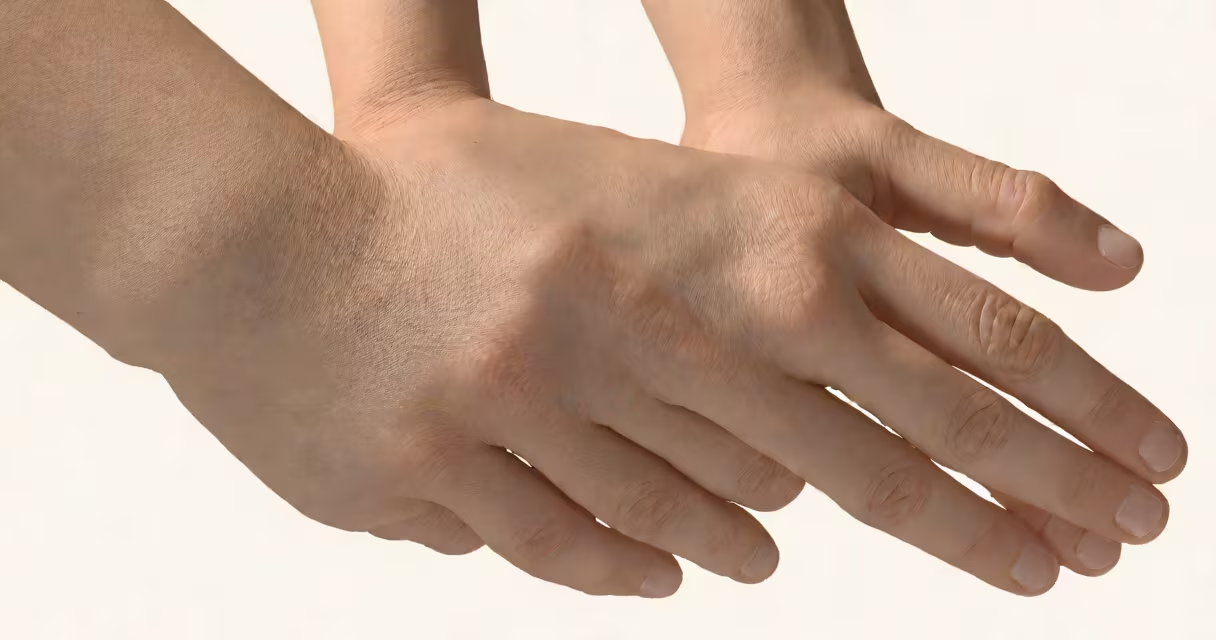
Numbness in the right forearm and hand occurs when sensory nerves in the arm or hand are compressed, damaged, or disrupted, leading to loss of feeling or abnormal sensations like tingling, burning, or weakness. This condition often results from nerve entrapment, trauma, repetitive motion, or underlying medical issues such as diabetes or multiple sclerosis.
The primary nerves involved are the median, ulnar, and radial nerves. The median nerve runs through the carpal tunnel in the wrist and controls sensation in the thumb, index, middle finger, and half of the ring finger. Compression here causes carpal tunnel syndrome, which frequently presents with numbness in the right forearm and hand. The ulnar nerve travels along the inner side of the elbow and can become compressed at the cubital tunnel, leading to numbness in the little finger and part of the ring finger. The radial nerve runs down the outer side of the arm and innervates the back of the hand and thumb side of the fingers; damage here affects sensation on the dorsal surface.
Common triggers include prolonged pressure on the wrist during sleep, typing with poor posture, or repetitive strain from tools or sports. A 2021 study published in Neurology found that 63% of patients with persistent numbness in the dominant hand reported daily activities involving repetitive hand movements, such as keyboard use or manual labor. Numbness that develops suddenly after a fall or accident may indicate a traumatic injury to the brachial plexus or peripheral nerves.
Sensory information travels from the skin to the spinal cord via peripheral nerves. When a nerve is compressed or injured, electrical signals slow or stop, resulting in altered or absent sensation. For example, bending the elbow repeatedly can compress the ulnar nerve at the elbow, causing numbness in the ring and little fingers. Similarly, keeping the wrist flexed for long periods-such as while sleeping or using a phone-can compress the median nerve, leading to numbness in the thumb and index finger.
Neurological exams assess reflexes, muscle strength, and sensation in specific dermatomes (skin areas supplied by individual nerves). Doctors may use electromyography (EMG) and nerve conduction studies to measure signal speed and detect blockages. A 2020 report from the American Academy of Neurology confirmed that EMG testing identifies nerve compression in 89% of clinically suspected carpal tunnel cases.
Several distinct patterns of numbness correspond to different nerves and locations:
| Nerve | Typical Location of Numbness | Common Cause | Associated Symptoms |
|---|---|---|---|
| Median | Thumb, index, middle finger, and half of ring finger | Carpal tunnel syndrome, wrist fracture | Tingling, weakness in grip, worsened at night |
| Ulnar | Little finger and half of ring finger | Cubital tunnel syndrome, elbow trauma | "Funny bone" sensation, difficulty spreading fingers |
| Radial | Back of hand, thumb side of fingers | Compression near shoulder or forearm, radial nerve palsy | Weakness in wrist extension, "wrist drop" |
Systemic conditions such as diabetes can cause peripheral neuropathy, leading to symmetrical numbness in both hands. According to the National Institute of Diabetes and Digestive and Kidney Diseases, about 50% of people with long-standing diabetes develop some form of peripheral neuropathy. Autoimmune disorders like Guillain-Barré syndrome may also trigger rapid-onset numbness, often progressing from the feet upward.
Numbness in the right forearm and hand is often mistaken for temporary circulation issues caused by lying on the arm. However, true nerve-related numbness persists beyond 30 minutes and recurs with certain motions. Unlike transient numbness from pressure, nerve compression typically worsens with activity and improves with rest.
A common error is assuming that all hand numbness stems from carpal tunnel syndrome. While it's the most frequent cause, misdiagnosis rates exceed 30% in primary care settings, according to a 2019 review in JAMA Internal Medicine. Patients with ulnar nerve entrapment at the elbow may be incorrectly diagnosed with carpal tunnel syndrome because both conditions affect the ring finger and can occur in office workers.
Another misconception is that numbness always indicates serious disease. In reality, mild, intermittent numbness from poor posture or cold exposure often resolves without treatment. But persistent numbness-especially with muscle weakness or atrophy-requires evaluation to rule out irreversible nerve damage.
In 2022, a 34-year-old administrative assistant reported intermittent numbness in her right hand after working 8-hour shifts at a computer. She noticed tingling in her thumb and index finger, especially after typing. Her symptoms worsened at night and occasionally woke her. A physical exam revealed positive Phalen's test and Tinel's sign at the wrist. Nerve conduction studies confirmed slowed median nerve transmission across the carpal tunnel. Diagnosis: carpal tunnel syndrome. After wearing a wrist splint at night and modifying her keyboard setup, symptoms resolved within six weeks.
This case illustrates how occupational habits contribute to nerve compression. The patient initially dismissed symptoms as fatigue, delaying care. Early intervention prevented progression to permanent nerve damage.
Consult a healthcare provider if numbness lasts longer than a few days, spreads, or is accompanied by weakness, clumsiness, or muscle wasting. Sudden onset with paralysis or facial droop requires emergency evaluation to rule out stroke.
For persistent or recurring numbness, see a neurologist or hand specialist. Diagnostic steps may include MRI to check for cervical spine issues, blood tests for diabetes or vitamin deficiencies, or imaging to assess nerve compression sites.
Early treatment improves outcomes. Conservative management includes splinting, ergonomic adjustments, and anti-inflammatory medication. Surgery may be needed if symptoms persist despite conservative care. A 2023 study in Journal of Hand Surgery showed that 87% of patients with severe carpal tunnel syndrome experienced symptom relief after surgical release.