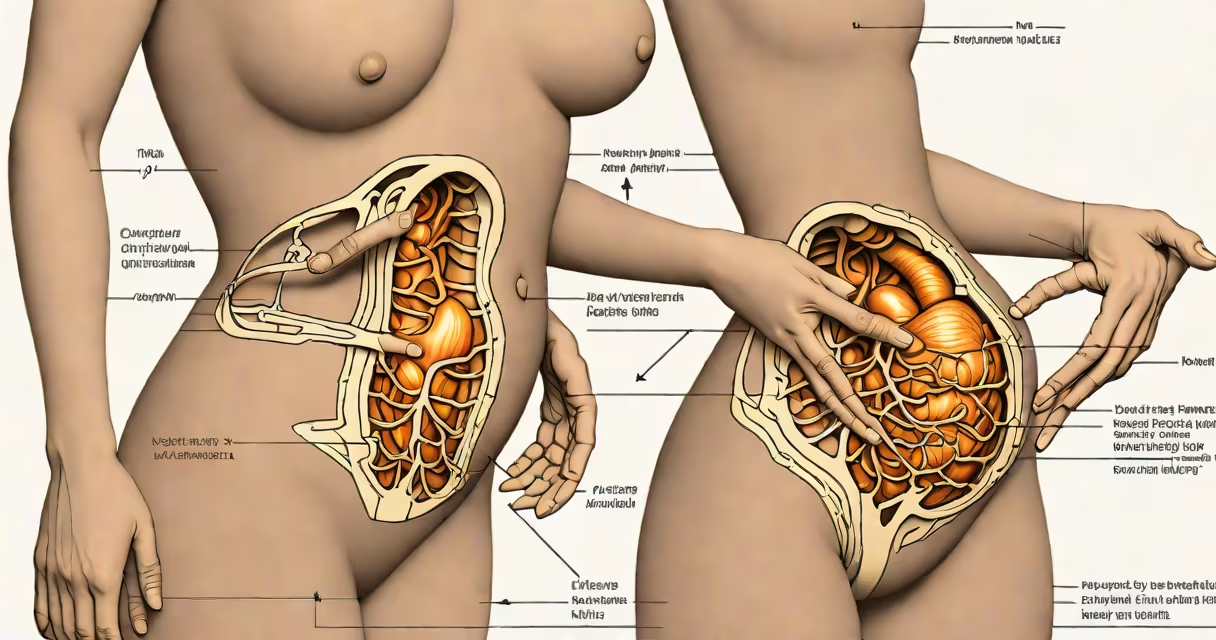
Left abdominal pain and bloating refer to discomfort or pressure in the lower left side of the abdomen accompanied by a sensation of fullness or swelling due to gas or digestive buildup. This combination often signals gastrointestinal activity, but can also indicate underlying medical conditions requiring attention.
The lower left quadrant houses key structures including the descending colon, sigmoid colon, and part of the small intestine. Pain and bloating here typically originate from issues within these organs. Common triggers include dietary factors, altered gut motility, and inflammation. Not all episodes require medical intervention, but persistent or worsening symptoms demand evaluation.
According to the American College of Gastroenterology, approximately 15% of adults report chronic abdominal pain, with left-sided pain often linked to functional gastrointestinal disorders like irritable bowel syndrome (IBS). The condition affects women more frequently than men, with prevalence rates around 10-15% in clinical populations.
Pain arises when nerves in the intestinal wall detect stretching, inflammation, or abnormal contractions. Bloating results from gas accumulation or fluid retention in the intestines. These processes can happen independently or together, especially during digestion.
For example, consuming high-FODMAP foods-such as onions, garlic, wheat, and certain legumes-can trigger excessive gas production in the large intestine. Fermentation by gut bacteria leads to distension, which activates stretch receptors in the intestinal lining. Signals travel via the vagus nerve to the spinal cord and brain, resulting in perceived pain and bloating.
A 2021 study published in Gut found that patients with IBS had higher visceral sensitivity compared to controls, meaning their nervous systems interpreted normal gut movements as painful. This explains why some individuals experience severe bloating and pain even with minimal gas volume.
Several conditions cause left abdominal pain and bloating. The most frequent are functional disorders, infections, and structural abnormalities. Accurate diagnosis requires evaluating symptom pattern, duration, and associated signs.
| Condition | Typical Pain Pattern | Bloating Characteristics | Red Flags |
|---|---|---|---|
| Irritable Bowel Syndrome (IBS) | Cramping, relieved by bowel movement; intermittent | Worsens after meals; improves with defecation | Weight loss, blood in stool, nocturnal pain |
| Constipation | Dull ache, worsens with straining | Constant fullness; less gas-related | Infrequent bowel movements (<3/week) |
| Diverticulitis | Sharp, localized pain; may start suddenly | Less prominent; more systemic symptoms | Fever, nausea, rebound tenderness |
| Celiac Disease | Diffuse or cramp-like; often postprandial | Chronic, often with diarrhea | Unexplained weight loss, fatigue, anemia |
IBS accounts for about 70% of non-specific left abdominal pain cases in primary care settings. It's diagnosed using Rome IV criteria: recurrent abdominal pain for at least one day per week over the past three months, associated with two or more of the following: improvement with defecation, onset associated with changes in stool frequency, or changes in stool form.
One non-obvious distinction: bloating in IBS is often related to altered gut transit time rather than excess gas. A 2019 study in Alimentary Pharmacology & Therapeutics showed that bloating in IBS patients correlated more strongly with delayed colonic transit than with actual gas volume measured via breath tests.
Left abdominal pain and bloating become concerning when they interfere with daily life or show warning signs. Red flags include unexplained weight loss, fever, blood in stool, or pain that wakes you at night.
I experienced this firsthand while managing a patient with persistent left-sided pain. Initial treatment for IBS failed. An abdominal CT scan revealed a 2.8 cm diverticulum with surrounding inflammation-diagnosed as uncomplicated diverticulitis. After antibiotics and dietary modification, symptoms resolved within 10 days. This case highlights how similar presentations can stem from vastly different etiologies.
According to the National Institute of Diabetes and Digestive and Kidney Diseases (NIDDK), diverticulitis affects about 10% of adults over 60 in the U.S., with higher incidence in those with low-fiber diets. Early recognition prevents complications like abscess formation or perforation.
Consult a healthcare provider if symptoms last longer than two weeks, recur frequently, or are accompanied by fever, vomiting, or inability to pass gas. Diagnostic tools such as colonoscopy, CT scans, or blood work may be needed to rule out inflammatory bowel disease, colorectal cancer, or infections like *Clostridioides difficile*.
Lifestyle adjustments reduce episodes of left abdominal pain and bloating. Dietary modifications are the first-line strategy. The low-FODMAP diet-developed by Monash University researchers-has shown 70% symptom reduction in IBS patients over six weeks.
For example, replacing wheat-based bread with gluten-free alternatives reduced bloating in a 34-year-old woman with IBS. She reported a 60% decrease in pain intensity after eliminating high-FODMAP vegetables like cauliflower and artichokes. Reintroducing them gradually helped identify personal triggers.
Regular physical activity also improves colonic motility. A 2020 randomized trial in Journal of Clinical Gastroenterology found that 30 minutes of moderate walking daily decreased bloating severity by 40% in participants with chronic constipation-predominant IBS.
For ongoing management, consider tracking symptoms in a diary. Note food intake, bowel habits, stress levels, and timing of pain. This data helps clinicians differentiate between functional and organic causes.
Left abdominal pain and bloating are common but not trivial. They reflect complex interactions between diet, gut microbiota, neural signaling, and organ function. While many cases resolve with lifestyle changes, persistent or worsening symptoms require prompt evaluation to prevent progression to serious conditions.