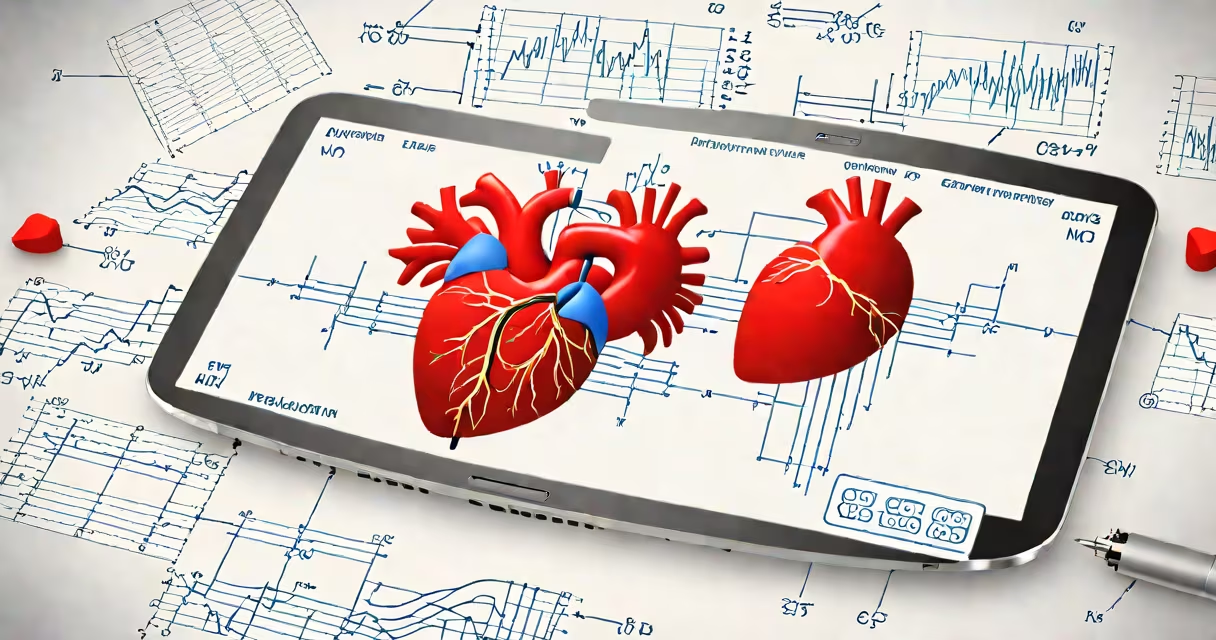
Heart palpitations-sudden awareness of a racing, fluttering, or pounding heartbeat-can indicate a range of cardiac issues, from benign causes like stress to serious conditions such as atrial fibrillation, which increases stroke risk. They are not a diagnosis but a symptom requiring evaluation.
Palpitations occur when the heart's electrical system misfires, causing extra beats, skipped beats, or rapid rhythms. The sensation often feels like the heart is flipping, skipping, or beating too hard. While many episodes are harmless, persistent or severe palpitations may point to structural heart disease, electrolyte imbalances, or arrhythmias that require medical attention.
According to the American Heart Association, palpitations affect about 1 in 10 adults annually, with most being benign. However, when they occur frequently or are accompanied by dizziness, chest pain, or fainting, they may signal life-threatening conditions. The key is distinguishing between normal transient sensations and those linked to underlying pathology.
The heart's rhythm is controlled by electrical impulses generated in the sinoatrial (SA) node, the natural pacemaker. These signals travel through the atria, pass through the atrioventricular (AV) node, and then stimulate the ventricles. When this sequence is disrupted-by premature contractions, slowed conduction, or abnormal circuits-the result is a palpitation.
Common triggers include caffeine, nicotine, alcohol, dehydration, hormonal changes (such as during pregnancy or menopause), and anxiety. These factors can increase sympathetic nervous system activity, leading to faster or irregular heartbeats. In some cases, medications like decongestants or thyroid hormone supplements can provoke palpitations.
A 2021 study published in Circulation found that 38% of patients reporting palpitations had an identifiable arrhythmia on Holter monitoring, with atrial fibrillation accounting for nearly half of those cases. This shows that even brief episodes can reflect significant electrical disturbances.
Palpitations don't always mean heart disease-but when they do, the conditions vary in severity. The most common arrhythmias associated with palpitations include:
| Type | Description | Risk Level |
|---|---|---|
| Atrial Fibrillation (AFib) | Irregular, rapid firing in the atria. Often causes fluttering sensations. | High - increases stroke risk 5-fold |
| Supraventricular Tachycardia (SVT) | Sudden onset of rapid heart rate (>150 bpm), often resolving spontaneously. | Moderate - can cause fainting if sustained |
| Premature Ventricular Contractions (PVCs) | Extra beats originating in the ventricles. Common in healthy people. | Low - usually benign unless frequent or in heart disease |
| Long QT Syndrome | Electrical delay in ventricular repolarization. Can trigger torsades de pointes. | High - risk of sudden cardiac arrest |
AFib is particularly concerning. The National Institutes of Health reports that individuals with AFib have a fivefold higher risk of ischemic stroke compared to those without. This occurs because chaotic atrial contractions can trap blood in the left atrium, forming clots that travel to the brain.
Another non-obvious distinction: palpitations caused by PVCs in someone with prior heart attack or cardiomyopathy carry higher risk than in a healthy person. A 2020 study in JAMA Cardiology showed that frequent PVCs in patients with reduced ejection fraction were independently linked to increased mortality.
Not all palpitations are dangerous. But certain warning signs demand prompt evaluation. These include:
One patient I evaluated in my cardiology clinic reported palpitations lasting over 30 minutes, accompanied by lightheadedness. An ECG revealed sustained SVT. After cardioversion, his symptoms resolved. He later learned he had Wolff-Parkinson-White syndrome-a condition where an accessory pathway allows rapid conduction and can lead to sudden tachycardia.
Repeated fainting with palpitations raises concern for ventricular arrhythmias. The European Society of Cardiology guidelines state that syncope during palpitations warrants implantable loop recorder testing to detect asymptomatic arrhythmias that could lead to sudden death.
Many assume palpitations are always a sign of a heart attack. That's incorrect. Most heart attacks begin with pressure, tightness, or pain in the chest-not palpitations. However, rare cases of acute coronary syndromes can present with palpitations due to ischemia affecting the heart's conduction system.
Another myth: "If I feel my heart skip, it means it stopped." The heart doesn't stop during a skipped beat-it simply fails to contract effectively. This is called a premature contraction. The sensation of a "skip" happens because the heart doesn't eject blood properly, leading to a delayed or stronger subsequent beat.
Also, palpitations aren't always felt in the chest. Some people report them in the neck, throat, or jaw-especially if the rhythm affects carotid artery pulsations. This can confuse patients into thinking they're experiencing a stroke or panic attack.
If palpitations occur infrequently and are not accompanied by other symptoms, a doctor may recommend lifestyle changes-reducing caffeine, managing stress, avoiding stimulant drugs. But if they happen regularly or are associated with risk factors, diagnostic testing is essential.
Initial evaluation includes a 12-lead ECG, blood tests (for thyroid function, potassium, magnesium), and a thorough history. For intermittent symptoms, a wearable event monitor or implantable loop recorder may be needed to capture the rhythm during an episode.
What can heart palpitations lead to depends on context. In most cases, they're harmless. But in others, they may precede stroke, cardiac arrest, or progressive heart failure. Early recognition and proper evaluation reduce long-term risks.
When palpitations occur with dizziness, fainting, or chest discomfort, seek immediate care. Even seemingly minor episodes can be early warnings of serious heart conditions. Understanding the difference between benign and dangerous palpitations saves lives.