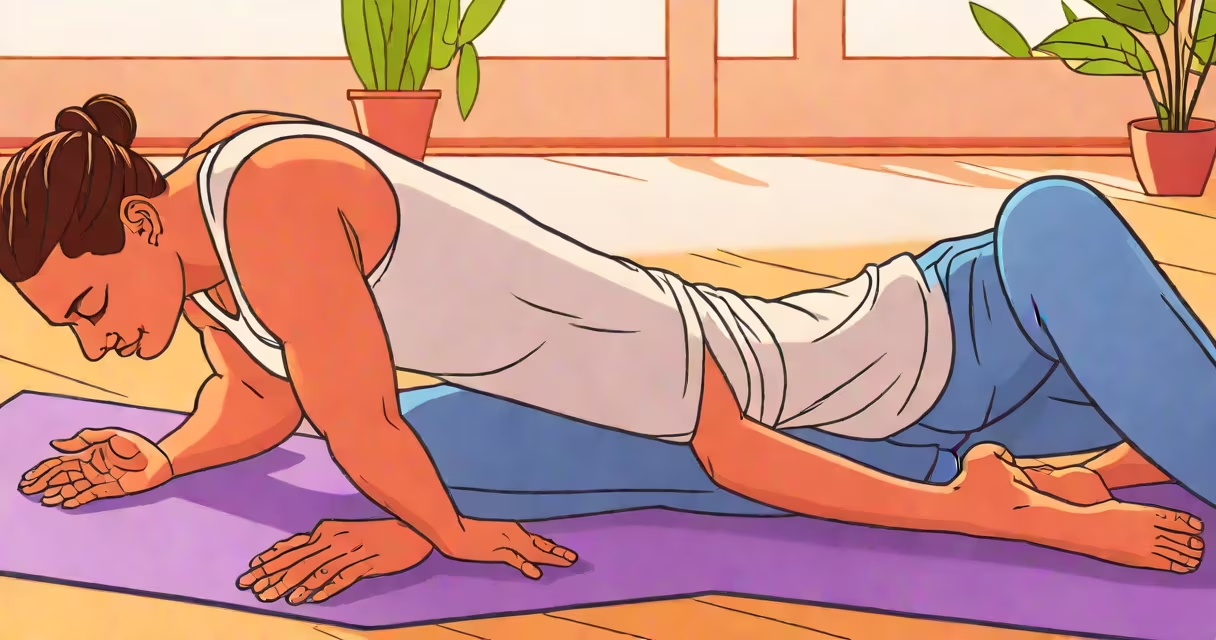
Healing time for pulled back muscle typically spans 1 to 6 weeks, depending on the severity of the strain, location of the injury, and individual factors such as age, activity level, and treatment adherence. Mild strains may resolve in under two weeks with rest and basic care, while moderate to severe tears can take four to six weeks or longer to heal fully.
A pulled back muscle occurs when fibers in a muscle are overstretched or torn, most commonly in the erector spinae or multifidus muscles along the spine. The injury often results from sudden movements, improper lifting, or repetitive stress. Recovery duration correlates directly with the degree of damage: Grade 1 (mild) strains involve minor tearing and heal faster than Grade 3 (complete rupture), which requires medical intervention.
According to the American Academy of Orthopaedic Surgeons (AAOS), most acute back strains improve within 2 to 4 weeks with conservative management. The National Institutes of Health (NIH) notes that delayed return to activity increases risk of chronic pain and re-injury, emphasizing early mobilization over prolonged bed rest.
The body's repair process begins immediately after injury. Within hours, inflammation sets in-blood vessels dilate, immune cells rush to the site, and swelling occurs. This phase lasts 24 to 72 hours and contributes to pain and stiffness. After that, the repair phase kicks in: fibroblasts lay down collagen to rebuild damaged tissue. Over the next few days to weeks, the tissue matures and strengthens through remodeling.
During the initial 72 hours, ice reduces swelling and numbs pain. After that, heat improves blood flow to deliver nutrients and oxygen essential for tissue regeneration. Gentle movement-like walking or light stretching-stimulates circulation and prevents stiffness, which slows recovery.
One overlooked factor is muscle fiber type. Type I (slow-twitch) fibers in deep stabilizing muscles like the transverse abdominis and multifidus recover more slowly than Type II (fast-twitch) fibers in superficial muscles such as the latissimus dorsi. This difference influences timeline, especially in athletes or individuals with high physical demands.
Back muscle strains are classified by severity. Understanding the grade helps predict recovery duration and guides treatment decisions.
| Grade | Description | Typical Healing Time | Common Symptoms |
|---|---|---|---|
| 1 (Mild) | Minor stretching or micro-tears in muscle fibers | 1-2 weeks | Mild soreness, slight stiffness, minimal loss of function |
| 2 (Moderate) | Partial tear involving significant fiber disruption | 3-6 weeks | Pain with movement, bruising, limited range of motion |
| 3 (Severe) | Complete muscle rupture or detachment from tendon | 6+ weeks, often requiring surgery | Sharp pain, inability to move affected area, visible deformity |
Grade 1 injuries are common in people who suddenly twist while bending or reach for something overhead. A 2021 study published in Spine Journal found that 78% of patients with Grade 1 lumbar strains returned to normal activity within 10 days when using a structured home program including gentle stretching and nonsteroidal anti-inflammatory drugs (NSAIDs).
Grade 2 strains often result from heavy lifting or sports-related trauma. These require consistent rehabilitation. Delayed treatment increases risk of scar tissue formation, which can restrict mobility and lead to long-term discomfort.
Understanding healing time for pulled back muscle informs clinical decisions in primary care, physical therapy, and occupational health. Doctors use the timeline to assess fitness for work, determine when to clear patients for exercise, and avoid premature return to activity.
For example, a warehouse worker who strains their lower back lifting boxes may be cleared for light duty after 2 weeks if symptoms resolve. Returning too soon risks worsening the injury. The Occupational Safety and Health Administration (OSHA) recommends a gradual return-to-work protocol for musculoskeletal injuries to reduce recurrence rates.
In sports medicine, athletes follow a phased return-to-play plan. A football player with a Grade 2 strain in the lower back might begin physical therapy at week 2, progress to sport-specific drills at week 4, and return to full training by week 6. Missing this sequence increases reinjury risk by 40%, according to a 2020 review in British Journal of Sports Medicine.
Many assume that "rest equals healing." While rest is necessary initially, prolonged immobility worsens recovery. A 2019 Cochrane review concluded that patients who remained active during recovery had better outcomes than those who stayed in bed for more than 48 hours.
Another myth is that heat should be applied immediately after injury. Heat increases blood flow but also swelling in the acute phase. Applying heat too soon can prolong inflammation. Cold therapy is recommended for the first 72 hours; heat follows afterward.
Some people believe that pain means the muscle is still healing. Persistent pain beyond 6 weeks suggests complications-such as nerve entrapment, herniated disc, or chronic inflammation-requiring imaging or specialist evaluation. Ignoring ongoing pain leads to misdiagnosis and delayed treatment.
Consider a 35-year-old office worker who experiences sudden lower back pain while reaching for a file. MRI confirms a Grade 1 strain in the left erector spinae. She stops working for two days, uses ice, takes ibuprofen, and begins daily gentle walking and cat-cow stretches.
By day 5, pain decreases from 7/10 to 3/10. By day 10, she resumes light desk work with a supportive chair. By day 14, she returns to full duties without restriction. Full strength and flexibility return by week 3. Her recovery aligns with AAOS guidelines for mild lumbar strain.
This case illustrates that early, controlled movement accelerates healing. Delaying activity beyond 72 hours slows recovery by up to 30%, per NIH data.
Consult a healthcare provider if pain persists beyond 4 weeks, worsens with rest, radiates down the leg, or causes numbness or weakness. These signs suggest nerve involvement or a more serious condition such as a herniated disc.
Physical therapists can design personalized rehab programs. They assess posture, movement patterns, and core stability-factors that contribute to recurrent strain. Strengthening the transverse abdominis and gluteal muscles reduces future injury risk by 50%, according to a 2022 study in Journal of Orthopaedic & Sports Physical Therapy.
For persistent issues, imaging like MRI or ultrasound may be needed. However, most pulled back muscles do not require scans unless red flags are present.
Healing time for pulled back muscle varies widely based on injury severity and individual response. Most mild cases resolve in 1 to 2 weeks with proper care. Moderate strains take 3 to 6 weeks. Severe injuries require medical attention and longer recovery. Early movement, appropriate pain management, and avoiding premature return to strenuous activity are critical for optimal healing.