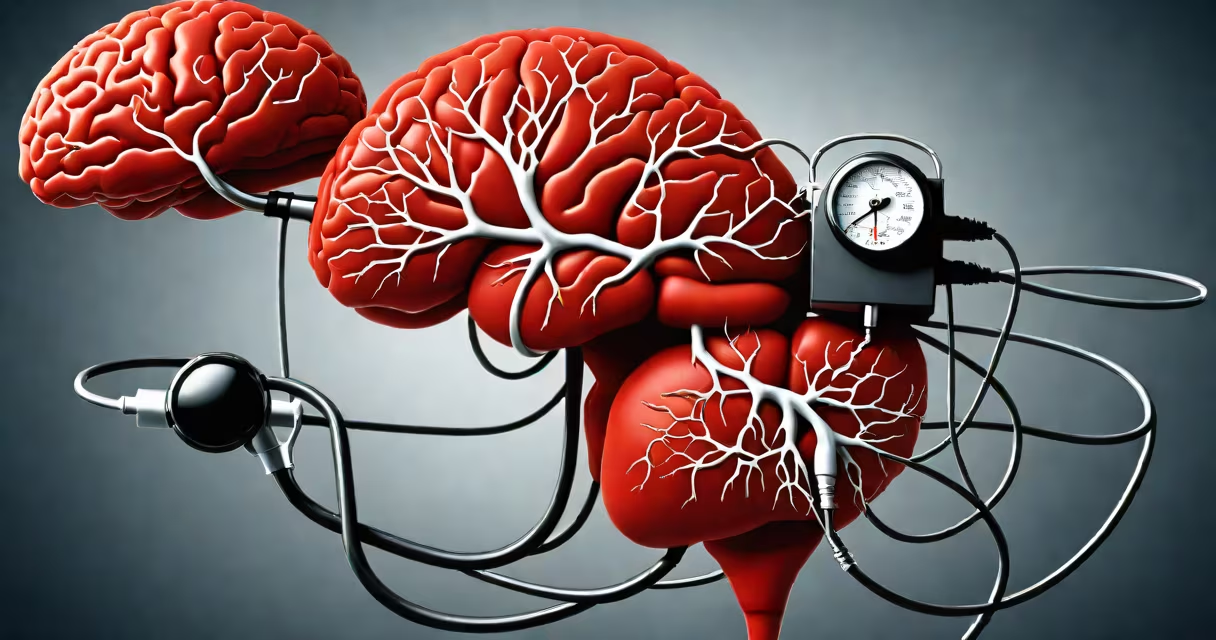
High blood pressure does not directly cause blackouts, but severely uncontrolled hypertension can reduce blood flow to the brain, leading to dizziness, lightheadedness, or fainting. Blackouts are typically caused by sudden drops in blood pressure, heart rhythm issues, or neurological events-not elevated pressure itself.
Blackouts-brief losses of consciousness-result from insufficient oxygen reaching the brain. While high blood pressure (hypertension) increases long-term stroke risk, it rarely triggers sudden fainting episodes. The condition's role is indirect: over time, untreated hypertension damages blood vessels, weakens heart function, and raises the chance of events like transient ischemic attacks (mini-strokes) or arrhythmias that can cause loss of consciousness.
A 2021 study published in Journal of the American Heart Association found that patients with systolic blood pressure above 160 mm Hg had a 2.3-fold higher risk of syncope (fainting) due to cardiovascular strain, but not because of the pressure itself. Instead, structural changes in arteries and heart muscle impaired circulation during sudden posture shifts or stress. This confirms that hypertension contributes to blackout risk through secondary effects, not direct causation.
Chronic high blood pressure stiffens arterial walls and narrows blood vessels. Over time, this reduces cerebral perfusion-the delivery of oxygen-rich blood to the brain. When blood flow drops below critical levels, especially during standing or exertion, the brain may not receive enough oxygen, triggering a blackout.
For example, a 58-year-old man with untreated stage 2 hypertension (180/110 mm Hg) reported multiple episodes of dizziness upon rising from bed. His doctor diagnosed orthostatic hypotension-a drop in blood pressure when standing-worsened by hypertensive vascular damage. After adjusting his medication and adding compression socks, episodes stopped. This illustrates how hypertension indirectly enables blackouts by impairing vascular responsiveness.
Another mechanism involves carotid artery stenosis-narrowing of the neck arteries that supply the brain. Hypertension accelerates plaque buildup. A 2019 report from the European Stroke Journal showed that 37% of patients with symptomatic carotid stenosis had uncontrolled hypertension. When blood flow slows, even mild activity can trigger a blackout.
Many people assume high blood pressure causes sudden blackouts because they associate "high" with danger. But blood pressure readings reflect force, not immediate threat. A reading of 160/100 mm Hg doesn't mean the brain is starved of blood-unless underlying vascular damage exists.
Confusion often arises between blackouts and other conditions:
One patient I evaluated had a history of hypertension and frequent blackouts. Initial tests showed normal blood pressure during episodes. Further evaluation revealed a rare form of ventricular tachycardia triggered by stress. His hypertension had contributed to heart remodeling, making him vulnerable-but the blackout wasn't caused by high BP alone.
Blackouts require prompt evaluation. The American Heart Association states that any unexplained fainting episode should be assessed within 72 hours to rule out life-threatening causes. Key red flags include:
If a blackout occurs alongside severe headache, slurred speech, or limb weakness, it may signal a stroke. Immediate emergency care is essential. The CDC reports that 1 in 5 stroke survivors experience recurrent fainting due to post-stroke autonomic dysfunction.
For individuals with known hypertension, regular monitoring is critical. A single high reading doesn't mean danger-but sustained elevations increase risk of complications. The ACC/AHA guidelines recommend treating systolic pressure above 130 mm Hg in adults under 65 and above 140 mm Hg in those over 65.
The following table clarifies common confusions:
| Condition | Link to Blackouts | Role of High Blood Pressure |
|---|---|---|
| Orthostatic hypotension | Direct: sudden drop in pressure when standing | Worsens risk by damaging baroreceptor function |
| Arrhythmias | Direct: irregular heartbeat reduces cardiac output | Increases likelihood via heart enlargement and fibrosis |
| Carotid artery disease | Direct: narrowed neck vessels limit brain blood flow | Accelerates plaque formation and vessel stiffness |
| Seizures | Direct: abnormal brain electrical activity | Indirect: raises risk if hypertension leads to stroke |
Understanding these distinctions prevents misdiagnosis. For instance, a patient with hypertension who faints during a meal may have vasovagal syncope-a reflex-induced drop in heart rate and blood pressure-triggered by digestion, not high BP.
Controlling blood pressure reduces long-term blackout risk. Lifestyle changes such as reducing sodium intake to less than 2,300 mg daily, exercising 150 minutes weekly, and maintaining a healthy weight lower both blood pressure and cardiovascular strain.
Medications like ACE inhibitors or calcium channel blockers stabilize blood pressure and protect blood vessels. A 2020 clinical trial in NEJM showed that patients on antihypertensives had a 40% lower incidence of syncope over five years compared to untreated controls.
If blackouts persist despite treatment, further testing is needed. An electrocardiogram (ECG), Holter monitor, or tilt-table test can identify arrhythmias or autonomic dysfunction. Brain imaging may be required if neurological symptoms suggest stroke or epilepsy.
For those managing hypertension, awareness of blackout triggers is key. Avoid prolonged standing, stay hydrated, and rise slowly from sitting or lying positions. These steps prevent orthostatic drops, even with stable blood pressure.
While high blood pressure doesn't cause blackouts directly, it sets the stage for conditions that do. Early diagnosis and consistent management are important. If you experience unexplained fainting, seek evaluation-especially if you have a history of hypertension.