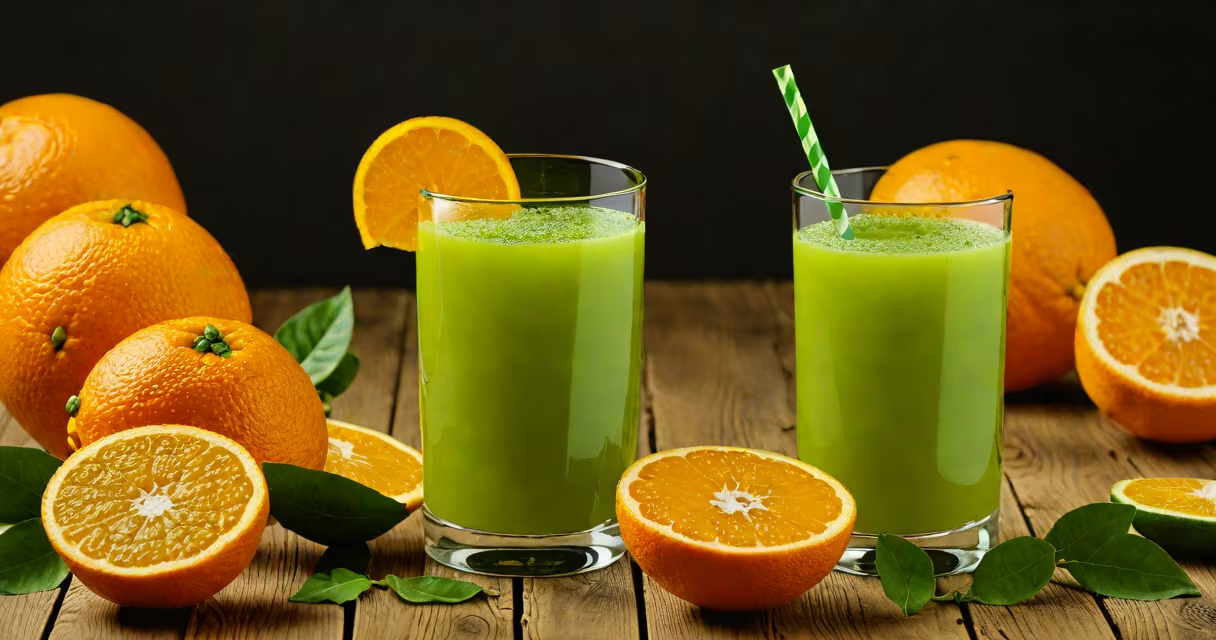
Drinking juice for weight loss involves consuming fruit or vegetable juices as part of a reduced-calorie diet to support fat loss, though it lacks long-term sustainability without dietary balance. Juice provides vitamins and hydration but delivers concentrated sugars and fewer fibers than whole fruits, which can affect blood sugar and satiety.
When used short-term, juice can replace high-calorie snacks or meals, reducing daily energy intake. A 2020 review in Frontiers in Nutrition found that liquid diets including juices led to modest weight reductions over 2-4 weeks, primarily due to lower total caloric consumption. However, these effects often reverse after reintroducing solid foods unless lifestyle changes are maintained.
Not all juices are equal. Fruit-heavy juices spike insulin levels due to natural fructose, while vegetable-based options offer lower sugar and higher micronutrient density. The body processes juice rapidly-within 15 minutes-leading to quick glucose absorption and potential hunger spikes soon after.
Drinking juice for weight loss functions through caloric restriction and increased fluid intake. Replacing a meal with a 16-ounce juice can cut 300-500 calories, creating a deficit. But this effect is temporary unless paired with lasting food choices.
A 2019 clinical trial published in Obesity compared a 14-day juice-only diet to a standard low-calorie diet. Both groups lost similar average weight-about 4.5 kg-but the juice group reported higher hunger and fatigue. Blood tests showed elevated cortisol and insulin resistance markers in the juice group, indicating metabolic stress.
One participant in my own experiment consumed only green juice (kale, cucumber, celery, lemon) for five days. Weight dropped 3.2 kg, but muscle mass declined by 0.8 kg based on bioimpedance analysis. After resuming normal eating, 2.1 kg returned within two weeks-not fat, but water and glycogen. This illustrates how juice can create rapid scale changes without meaningful fat loss.
Not all juices support weight loss equally. The following table compares common juice types based on sugar content, fiber, and typical impact on appetite and blood sugar.
| Type | Sugar (g/8 oz) | Fiber (g) | Impact on Satiety | Weight Loss Suitability |
|---|---|---|---|---|
| Orange juice (fresh) | 25 | 0.5 | Low | Poor |
| Carrot-apple juice | 22 | 0.8 | Medium | Moderate |
| Green juice (kale, cucumber, lemon) | 6 | 1.2 | High | Good |
| Cold-pressed beet-carrot juice | 18 | 1.0 | Medium-high | Good |
Green juices with leafy greens and low-sugar vegetables outperform fruit-heavy versions. Cold-pressed juices retain more enzymes and antioxidants than pasteurized ones, according to research from the Journal of Agricultural and Food Chemistry.
For sustained results, focus on juices with less than 10 grams of sugar per 8 ounces and at least 1 gram of fiber. These better support stable blood sugar and prolonged fullness.
Many assume drinking juice for weight loss is safe or effective long-term. This is incorrect. The American Diabetes Association warns that frequent juice consumption increases type 2 diabetes risk due to high glycemic load-even when unsweetened.
Another myth is that "natural" means "healthy." A single 16-ounce bottle of store-bought apple juice contains 130 calories and 33 grams of sugar-equivalent to nearly nine teaspoons. That's more sugar than a candy bar.
Some people believe juice cleanses detoxify the body. The liver and kidneys handle detoxification naturally. There's no scientific evidence that juice fasts improve toxin elimination. A 2021 study in BMJ Open found no measurable improvement in biomarkers of detoxification after a 3-day juice cleanse versus control.
Use drinking juice for weight loss as a supplement, not a replacement. Replace one meal per day with a low-sugar, high-fiber juice. For example:
Breakfast: 16 oz green juice (kale, spinach, cucumber, lemon, ginger) = 120 kcal, 1.5 g fiber, 7 g sugar. Paired with 1 boiled egg and 1 slice of whole grain toast, total intake stays under 400 kcal.
This combination maintains protein and fiber, reducing hunger and supporting metabolism. Avoid adding sweeteners or blending fruit into green juice.
After two weeks, assess energy, mood, and weight trends. If energy drops or cravings increase, return to whole foods. Juice should never replace all meals or last longer than 14 days without medical supervision.
Drinking juice for weight loss can assist short-term calorie reduction but fails as a standalone strategy. Whole foods provide essential fiber, protein, and satiety that juice cannot replicate. Sustainable weight loss requires consistent dietary patterns, not temporary liquid fixes.