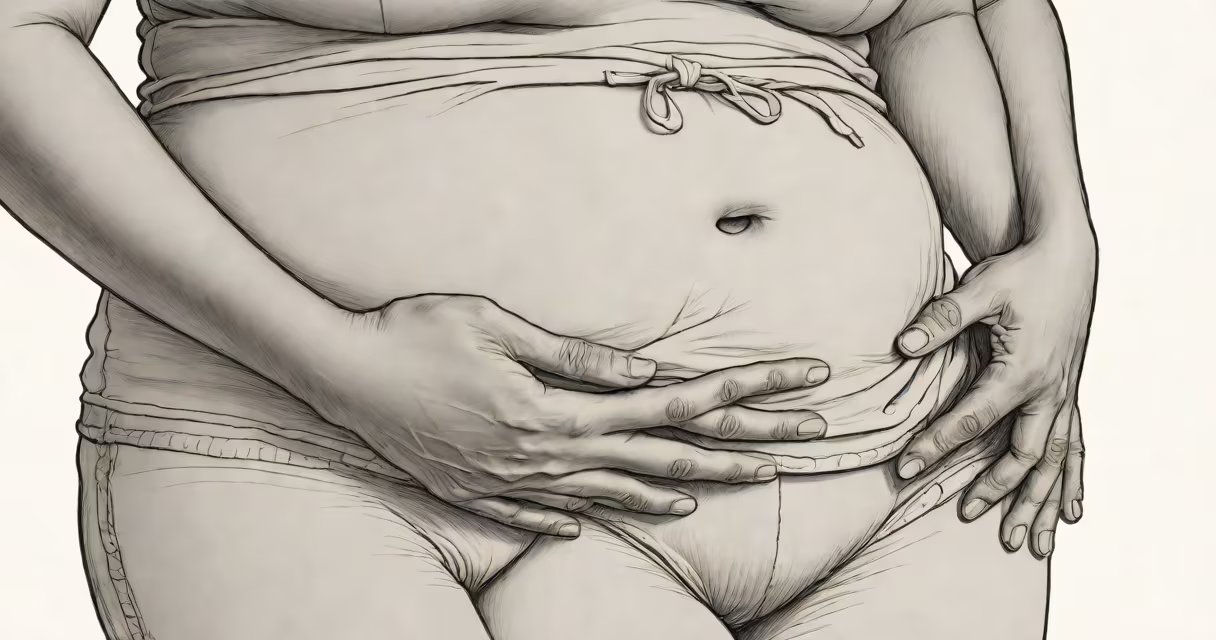
Severe lower abdominal pain results from acute inflammation, obstruction, or rupture in organs within the pelvic and lower abdominal cavity. It often signals a medical emergency requiring prompt evaluation.
This pain arises from irritation or pressure on nerves in the abdominal wall, intestines, bladder, reproductive organs, or blood vessels. The location, duration, and associated symptoms determine the underlying cause. Pain localized to the right lower quadrant may indicate appendicitis; sharp, sudden pain in the lower middle abdomen can suggest a ruptured ovarian cyst. When pain begins abruptly and worsens rapidly, it demands urgent attention.
The American College of Emergency Physicians notes that abdominal pain accounts for approximately 6% of all emergency department visits, with nearly 10% of those cases involving surgical pathology requiring intervention. Early recognition of red flags such as fever, vomiting, inability to pass gas, or blood in stool improves outcomes.
Pain originates when tissues in the abdomen become inflamed, ischemic (lack of blood flow), or mechanically obstructed. Nerve endings in the peritoneum, bowel walls, and organ capsules transmit signals to the spinal cord and brain. The brain interprets these signals as pain, often localizing them to the area of origin.
For example, during appendicitis, the appendix becomes blocked by fecal matter or lymphoid hyperplasia. Pressure builds inside the organ, leading to distension and reduced blood flow. As tissue dies, bacteria invade the wall, triggering inflammation and severe pain. This process typically begins near the navel and migrates to the right lower quadrant over 12-24 hours.
A 2021 study published in Annals of Emergency Medicine found that patients with acute appendicitis reported an average pain score of 8.5 out of 10 on initial presentation, with 72% describing the pain as constant and worsening. Delayed treatment increases the risk of perforation, which raises mortality rates from less than 1% to over 5%.
Conditions causing severe lower abdominal pain fall into several categories based on the affected system: gastrointestinal, genitourinary, gynecological, vascular, and musculoskeletal.
| Type | Common Causes | Key Symptoms | Diagnostic Clue |
|---|---|---|---|
| Gastrointestinal | Appendicitis, bowel obstruction, diverticulitis | Cramping, nausea, constipation or diarrhea | Rebound tenderness, elevated WBC count |
| Genitourinary | Kidney stones, urinary tract infection | Flank pain radiating to groin, dysuria | Microscopic hematuria, CT scan findings |
| Gynecological | Ectopic pregnancy, ovarian torsion, ruptured cyst | Sudden onset, unilateral pain, missed period | Positive beta-hCG test, free fluid on ultrasound |
| Vascular | Abdominal aortic aneurysm, mesenteric ischemia | Severe, tearing pain, hypotension | CT angiography shows vessel dilation or occlusion |
One non-obvious distinction: not all lower abdominal pain is visceral. Some cases stem from somatic pain originating in the abdominal wall muscles or skin. A patient with a hernia may report sharp pain with coughing or lifting, while imaging reveals a defect in the rectus sheath. These cases mimic internal organ issues but resolve with surgical repair rather than medical management.
Lower abdominal pain is most frequently seen in individuals aged 15-45, particularly women of reproductive age due to higher incidence of gynecological conditions. Men in this age group are more likely to present with urological or gastrointestinal causes.
For example, a 28-year-old woman presented to the ER with sudden left lower quadrant pain, dizziness, and a positive home pregnancy test. Ultrasound revealed a gestational sac outside the uterus, confirming ectopic pregnancy. She required laparoscopic surgery to remove the mass and prevent life-threatening hemorrhage. This case illustrates how early diagnosis saves lives - delayed treatment increases rupture risk by 30%.
Another example: a 54-year-old man with a history of smoking and hypertension experienced severe, tearing pain in his lower abdomen and back. CT scan showed a 5.8 cm abdominal aortic aneurysm with signs of impending rupture. He underwent emergency endovascular stent grafting. Without timely intervention, rupture leads to death in over 50% of cases.
Many assume that lower abdominal pain always stems from digestive issues. However, conditions like pelvic inflammatory disease (PID) or endometriosis can mimic irritable bowel syndrome (IBS), especially when pain occurs cyclically with menstruation. A 2020 review in Journal of Women's Health found that 43% of women with endometriosis were initially misdiagnosed with IBS.
Another misconception is that pain must be constant to be serious. In reality, intermittent pain can signal obstruction or vascular compromise. A patient with small bowel obstruction may experience waves of cramping lasting minutes, alternating with periods of relief. The absence of bowel movements and inability to pass gas are key indicators of mechanical blockage.
I once observed a 33-year-old man who dismissed his episodic lower abdominal pain as "just gas." Over 48 hours, he developed fever, distension, and absent bowel sounds. CT confirmed a volvulus - a twist in the sigmoid colon. He required emergent surgery. His delay in seeking care led to bowel necrosis and a prolonged recovery.
Seek immediate care if pain is sudden, severe, or accompanied by any of the following: fever above 101°F (38.3°C), persistent vomiting, inability to pass stool or gas, blood in vomit or stool, or signs of shock (pale skin, rapid heartbeat, confusion).
Women experiencing lower abdominal pain with missed periods or vaginal bleeding should rule out ectopic pregnancy. Men with new-onset pain and a history of kidney stones should undergo imaging to assess for obstruction. Anyone with a known abdominal aortic aneurysm should monitor for changes in pain pattern.
Severe lower abdominal pain is never trivial. It reflects a physiological crisis in the body's core systems. Prompt assessment by a trained clinician reduces morbidity and mortality. Recognizing warning signs and acting quickly can prevent irreversible damage or death.