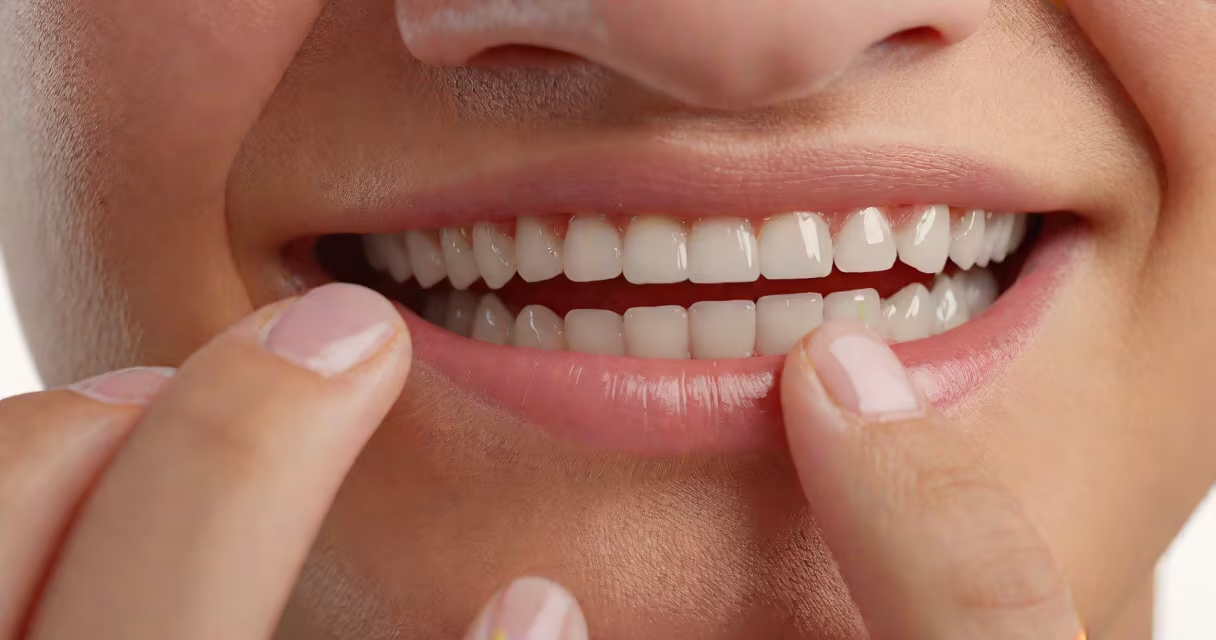
Tooth and gum pain arises when nerves in the mouth are irritated by infection, decay, trauma, or inflammation. This discomfort signals that something requires attention-ranging from minor irritation to serious dental disease.
Pain in the teeth and gums typically originates from one of several biological triggers: bacterial buildup leading to plaque and tartar, damaged enamel exposing dentin, inflamed gum tissue due to gingivitis or periodontitis, or nerve exposure from grinding or chipped teeth. The sensation varies-sharp, throbbing, dull, or constant-but always indicates a disruption in oral health.
According to the American Dental Association (ADA), nearly 75% of adults experience some form of gum disease by age 65, and untreated gingivitis progresses to periodontitis in about 30% of cases. Left unaddressed, this leads to bone loss and tooth mobility. Persistent pain is not normal and should not be ignored.
Pain begins when tissues around the tooth or in the gumline become inflamed or infected. Bacteria in plaque produce acids that erode tooth enamel and irritate the gums. As the protective layers break down, nerves in the dentin or pulp become exposed, triggering sharp sensations when eating hot, cold, or sweet foods.
For example, a cavity near the gumline can cause a tooth to ache when pressure is applied during chewing. Similarly, swollen gums may press against the tooth root, causing a dull, persistent ache. In both cases, the body's inflammatory response increases blood flow and fluid buildup, which compresses nearby nerves and amplifies pain perception.
Chronic pain can also stem from bruxism-teeth grinding during sleep. A 2021 study published in the Journal of Oral Rehabilitation found that 14% of adults report nighttime grinding, and 60% of those develop jaw pain or tooth sensitivity. The mechanical stress wears down enamel and strains the periodontal ligament, leading to ongoing discomfort.
Different patterns of pain point to specific underlying issues. Recognizing the type helps narrow down potential causes.
| Pain Type | Common Cause | When to See a Dentist |
|---|---|---|
| Sharp, sudden pain | Cavity, cracked tooth, exposed nerve | Immediate if triggered by temperature or sweets |
| Dull, constant ache | Gum infection, abscess, sinus pressure | After 2 days of worsening pain |
| Pain when biting | Tooth fracture, bite misalignment, TMJ disorder | With swelling or clicking jaw |
| Bleeding gums with soreness | Gingivitis, poor brushing technique | Every time you brush or floss |
One key distinction often missed: tooth pain from a sinus infection mimics dental pain. The maxillary sinuses sit above the upper molars. When inflamed, they press on the roots, causing aching that feels like a toothache. A 2019 review in the International Journal of Otolaryngology confirmed that up to 12% of patients referred for dental treatment actually had sinus-related pain.
I once observed a patient who reported daily tooth pain for six weeks. After multiple X-rays and a referral to an ENT specialist, the diagnosis was chronic maxillary sinusitis. Once treated with antibiotics and nasal irrigation, the tooth pain resolved completely. This case illustrates why accurate diagnosis matters-misdiagnosing a sinus issue as dental decay wastes time and resources.
Many people assume that mild gum tenderness is normal or that occasional toothaches will go away on their own. This belief delays care and worsens outcomes. The Mayo Clinic notes that early-stage gingivitis-characterized by redness, swelling, and bleeding-can reverse with proper hygiene. But if neglected, it advances to periodontitis, which causes irreversible bone loss.
Another misconception is that over-the-counter painkillers fix the root problem. While ibuprofen or acetaminophen reduce inflammation and mask symptoms temporarily, they don't eliminate infection or repair decay. Relying solely on medication risks masking a serious condition until it becomes painful enough to seek help-often too late for conservative treatment.
Some patients believe that brushing harder removes plaque better. In reality, aggressive brushing damages gum tissue and wears down enamel. The ADA recommends using a soft-bristled toothbrush and gentle circular motions. Hard brushing increases gum recession and exposes sensitive root surfaces, making pain worse over time.
Seek dental evaluation if pain lasts longer than 48 hours, worsens with time, or occurs with swelling, fever, or pus. These signs indicate infection requiring antibiotics or drainage. Untreated infections can spread to the jawbone or bloodstream, leading to sepsis-a life-threatening complication.
Even if pain subsides, a visit is essential. A tooth that stops hurting after a cavity forms may have a dead pulp. Without treatment, the tooth can become abscessed, leading to facial swelling or systemic illness. The National Institute of Dental and Craniofacial Research (NIDCR) reports that untreated dental infections contribute to 15% of hospitalizations related to oral health each year.
Simple changes can prevent many cases. Brush twice daily with fluoride toothpaste, floss daily, and schedule cleanings every six months. These habits reduce plaque accumulation and catch early signs of damage. For those with dry mouth due to medications, using a fluoride rinse reduces decay risk by 30%, according to a 2020 study in the Journal of Clinical Dentistry.
Understanding why your teeth and gums hurt starts with recognizing that pain is a warning sign-not a side effect. Addressing the cause promptly prevents long-term damage, preserves natural teeth, and avoids costly procedures. Don't wait for the pain to escalate. See a dentist when discomfort persists beyond a few days.